
Dry skin can be uncomfortable, itchy, and sometimes even painful. Many people face this issue, especially during winter or in dry climates. Using the right cream for dry skin can make a big difference in how your skin feels and looks. But with so many choices, how do you know which cream is best? In this article, you’ll learn what makes a cream good for dry skin, key ingredients to look for, tips for using creams, and mistakes to avoid. If you want healthy, soft skin, read on.
Why Dry Skin Needs Special Care
Dry skin lacks natural oils and moisture. This can lead to flaking, cracking, and a rough texture. Some people have dry skin all year, while others only notice it in certain seasons or after washing. Ordinary lotions may not be enough; you need a cream made to deeply hydrate and protect.
One big mistake people make is using regular face or body lotions, thinking they’re all the same. But creams for dry skin are thicker and contain richer ingredients that build a barrier to keep moisture in.
Key Ingredients In Creams For Dry Skin
Not all creams are equal. The best ones use special ingredients to help your skin hold water and repair itself. Here are the most important:
- Hyaluronic Acid – This pulls water into your skin, making it plump and smooth.
- Ceramides – These are natural fats that help repair your skin’s barrier.
- Glycerin – A powerful humectant that draws water from the air into your skin.
- Shea Butter – Rich in vitamins, it deeply nourishes and soothes.
- Urea – Gently exfoliates and hydrates at the same time.
- Squalane – Lightweight oil that mimics your skin’s natural oils.
People often focus only on fragrance or price, but ingredients are what really matter.
Credit: www.walmart.com
How To Choose The Best Cream For Your Dry Skin
Finding the right cream depends on your skin type, budget, and preferences. Here’s what you should consider:
Your Skin’s Sensitivity
If your skin gets red or irritated easily, look for fragrance-free and hypoallergenic creams. Avoid creams with alcohol or strong acids.
Climate And Season
In cold or dry climates, use heavier creams. If you live somewhere hot or humid, choose a lighter formula that still hydrates well.
Face Vs. Body
Facial skin is thinner than the body’s skin. Use a face cream for your face and a body cream for the rest. Some people skip this and end up with clogged pores or breakouts.
Age Factor
As you age, your skin produces less oil. Older adults may need creams with extra ceramides and oils.
Here’s a quick comparison of common ingredients in popular creams:
| Ingredient | Moisture Retention | Barrier Repair | Best For |
|---|---|---|---|
| Hyaluronic Acid | Excellent | Moderate | All skin types |
| Ceramides | Good | Excellent | Very dry, sensitive skin |
| Shea Butter | Good | Good | Rough, flaky skin |
| Glycerin | Excellent | Low | Normal to dry skin |
How To Use Cream For Dry Skin
Using your cream correctly helps you get the best results. Here’s a simple routine:
- Cleanse gently – Use a mild, soap-free cleanser to remove dirt without drying your skin.
- Apply while damp – Put on cream right after washing, when skin is still slightly wet. This traps extra moisture.
- Use enough – Don’t be shy; apply a generous layer, but not so much that it feels greasy.
- Reapply as needed – You might need to use cream several times a day, especially on hands or feet.
A common mistake is waiting too long after washing before applying cream. Even a few minutes can let moisture escape.
Comparing Popular Creams For Dry Skin
Many creams promise to fix dry skin, but results can vary. Here’s a look at how three well-known creams compare:
| Cream | Main Ingredients | Texture | Best For |
|---|---|---|---|
| Cetaphil Moisturizing Cream | Glycerin, Sweet Almond Oil | Thick | Very dry, sensitive skin |
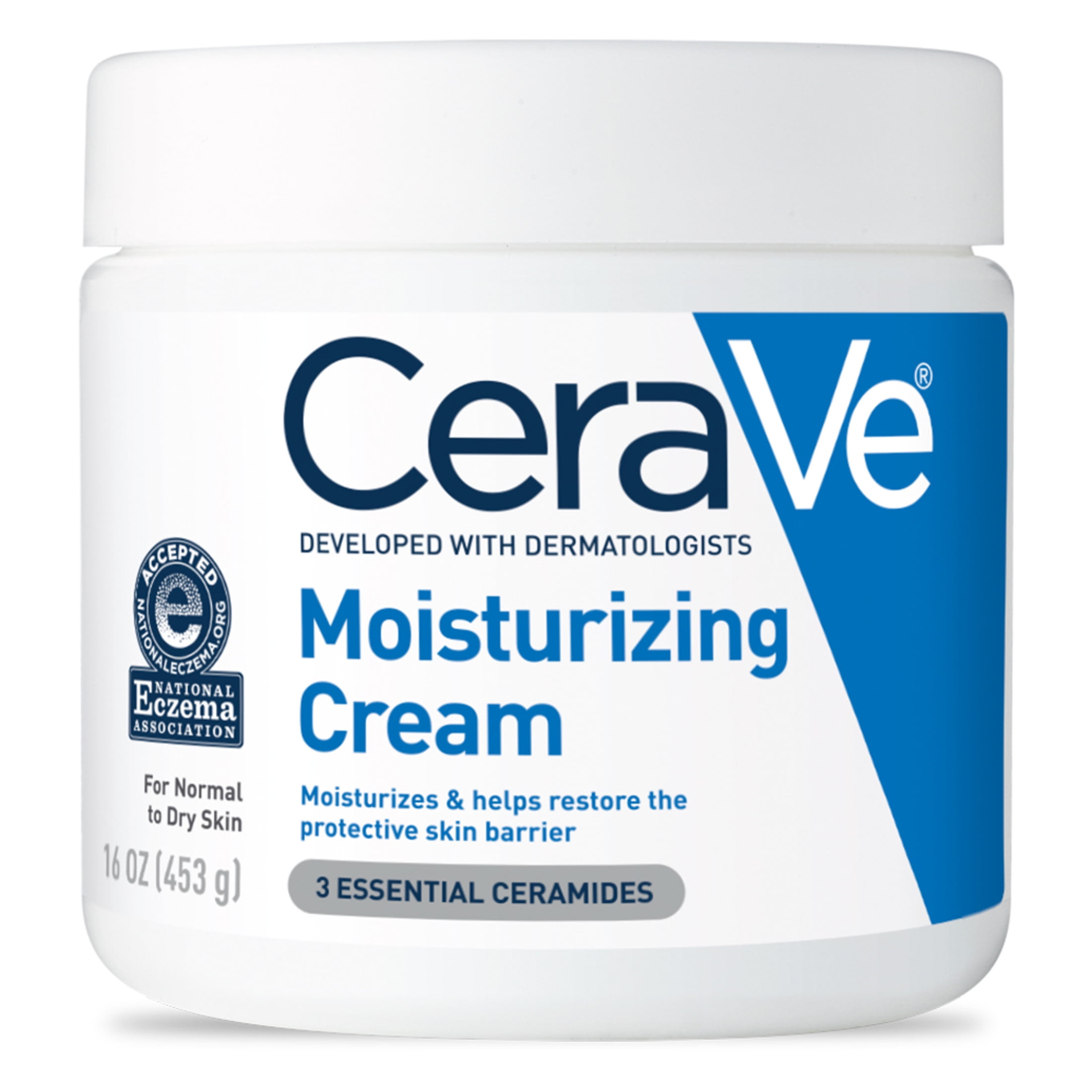
| CeraVe Moisturizing Cream View on Amazon | Ceramides, Hyaluronic Acid | Medium | All ages, eczema-prone |
| Nivea Soft Cream | Jojoba Oil, Vitamin E | Lightweight | Normal to dry skin |
One insight that surprises many people: some creams work better at night because your skin repairs itself while you sleep. Night creams are often richer and less likely to cause daytime greasiness.
Mistakes To Avoid With Dry Skin Cream
- Skipping sunscreen – Even the best cream won’t protect you from sun damage. Always use SPF during the day.
- Over-exfoliating – Harsh scrubs or acids can make dryness worse.
- Using hot water – Hot showers feel good, but they strip your skin’s oils.
- Not patch testing – Always test a new cream on a small area to check for allergies.
Some people believe that more expensive creams are always better, but many drugstore options work just as well. Focus on ingredients and what suits your needs.
Credit: www.aveeno.com
When To See A Doctor
If your dry skin is severe, doesn’t improve with creams, or you notice redness, swelling, or open cracks, see a dermatologist. Sometimes, dry skin is a sign of a medical problem like eczema or thyroid issues.
For more in-depth information on skin care, visit the American Academy of Dermatology.
Frequently Asked Questions
What Is The Difference Between Lotion And Cream For Dry Skin?
Creams are thicker and richer than lotions. Creams create a stronger barrier to hold in moisture, which is better for very dry skin.
Can I Use The Same Cream On My Face And Body?
It’s best to use a face cream for your face because it’s less likely to clog pores. Body creams can be too heavy and cause breakouts.
How Many Times A Day Should I Apply Cream For Dry Skin?
Apply cream at least twice a day—morning and night. Reapply after washing hands or whenever your skin feels tight.
Are Natural Creams Better For Dry Skin?
Not always. Some natural ingredients work well (like shea butter), but others can irritate. Always check for proven moisturizing ingredients.
What Should I Do If My Cream For Dry Skin Isn’t Working?
Try a different cream with more hydrating ingredients like ceramides or hyaluronic acid. If your skin stays dry or gets worse, see a doctor.
Taking care of dry skin starts with choosing the right cream and using it the right way. With the right knowledge and habits, you can keep your skin soft, comfortable, and healthy all year round.
Credit: www.vaseline.com