
Organic face creams are becoming more popular every year. People want skin care products that are safe, gentle, and free from harsh chemicals. But what does “organic” really mean in face creams? And do these products actually work better than normal creams?
Let’s explore what makes organic face cream special, how to choose the right one, and what you can expect for your skin.
What Is Organic Face Cream?
An organic face cream uses ingredients that come from plants grown without synthetic pesticides, fertilizers, or genetically modified organisms (GMOs). The oils, butters, and extracts are processed as little as possible, so the nutrients stay strong. These creams avoid artificial fragrances, preservatives, and colors. Many are certified by groups like USDA Organic or ECOCERT, which means they meet strict rules for organic farming and production.
People choose organic creams because they want to avoid unnecessary chemicals. For sensitive skin, this can make a real difference. Many users report fewer breakouts, less irritation, and softer skin after switching to organic options.
Key Benefits Of Organic Face Cream
Why should you consider switching to an organic face cream? Here are some key reasons:
1. Fewer Irritants
Organic creams avoid harsh chemicals that can cause redness, itching, or acne.
2. Rich In Natural Nutrients
Ingredients like shea butter, jojoba oil, and aloe vera provide vitamins and antioxidants that help skin repair and glow.
3. Better For Sensitive Skin
Without synthetic scents or dyes, organic creams are less likely to trigger allergies.
4. Eco-friendly Production
Organic farming is better for soil, water, and wildlife.
5. Gentle Anti-aging Effects
Natural plant oils can help soften fine lines and keep skin elastic.
Some studies show organic creams have higher levels of antioxidants compared to regular creams. For example, unrefined plant oils retain more vitamin E, which helps protect skin from sun and pollution damage.
Credit: lovoorganics.com
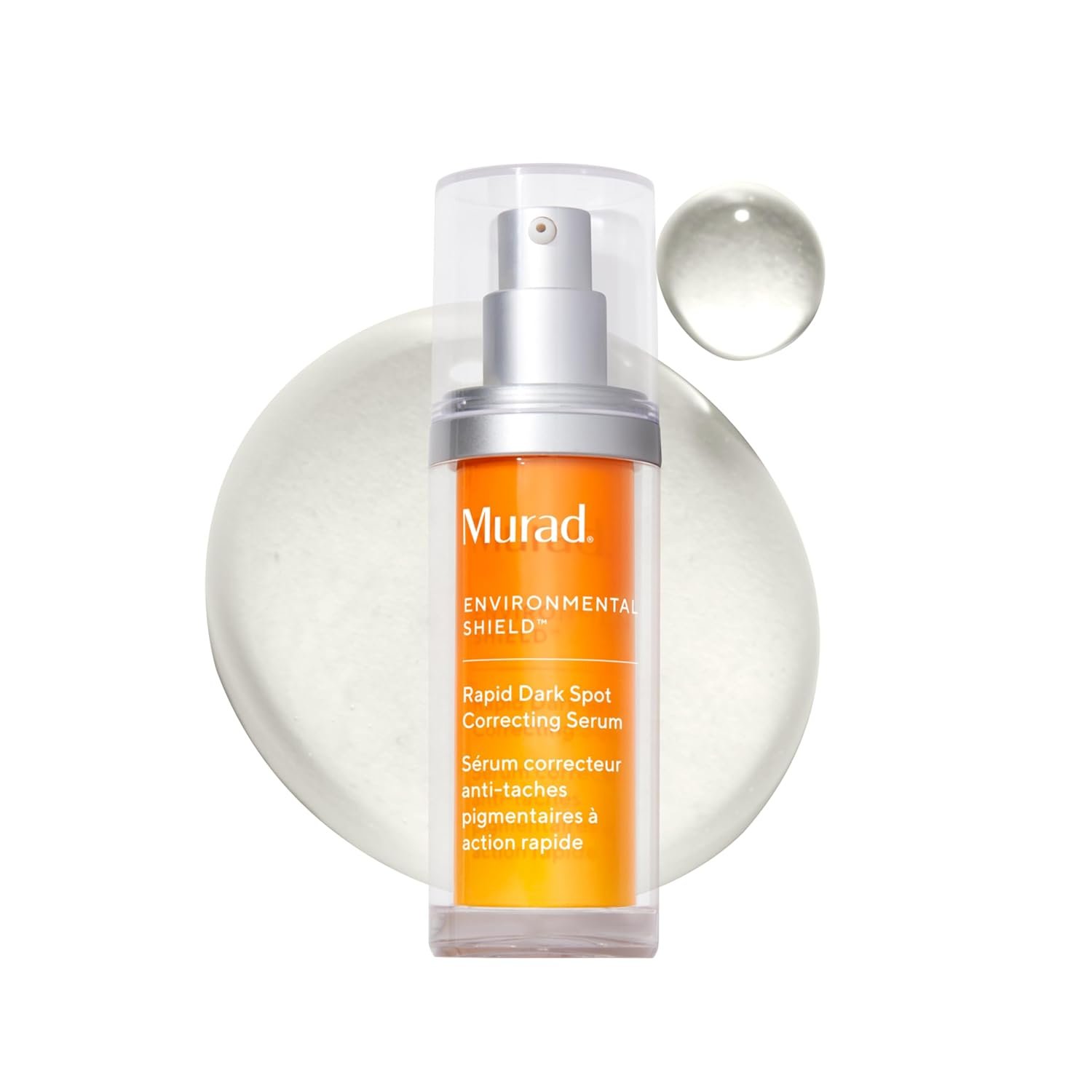
Discover more targeted treatments in our Murad Rapid Dark Spot Correcting Serum Review.
How Organic Face Cream Differs From Regular Cream
Many people wonder if organic face cream is really different from normal face creams. Here’s a quick comparison:
| Feature | Organic Face Cream | Regular Face Cream |
|---|---|---|
| Main Ingredients | Natural plant oils, extracts, butters | Synthetic oils, parabens, artificial fragrances |
| Preservatives | Natural (vitamin E, rosemary extract) | Synthetic (parabens, phenoxyethanol) |
| Suitability for Sensitive Skin | High | Varies |
| Environmental Impact | Low | Higher |
Organic creams are not always “better” for everyone, but they offer more gentle care and fewer chemicals. If you have sensitive or allergy-prone skin, this difference can be very important.
Common Organic Ingredients And Their Benefits
Organic face creams use a variety of plant-based ingredients. Here are some of the most common, and what they do for your skin:
- Shea butter: Deeply moisturizes and calms inflammation.
- Aloe vera: Soothes redness and hydrates.
- Jojoba oil: Mimics skin’s natural oil, balances moisture.
- Green tea extract: High in antioxidants, fights damage from pollution.
- Rosehip oil: Brightens and reduces the look of scars.
- Calendula: Gentle on sensitive skin, reduces irritation.
Some creams also add natural essential oils for fragrance, like lavender or chamomile. But if you have allergies, always check the ingredient list, since even natural scents can cause reactions.
How To Choose The Right Organic Face Cream
With so many choices, picking the best organic face cream can be confusing. Here’s how you can decide:
1. Know Your Skin Type
Dry skin needs heavier creams with butters and oils. Oily or acne-prone skin does better with light, non-comedogenic oils like jojoba or squalane.
2. Check For Certification
Look for trusted labels like USDA Organic, ECOCERT, or Soil Association. This means the product meets real organic standards.
3. Read The Ingredient List
The first five ingredients matter most. Avoid products with alcohol (can dry skin) or “fragrance” (can hide synthetic chemicals).
4. Watch For Allergens
Even organic creams can have nut oils or strong essential oils. Patch test on your wrist first.
5. Consider Packaging
Glass jars or recycled plastic are better for the environment and keep the cream fresher.
Here’s a quick guide to matching skin type and cream texture:
| Skin Type | Recommended Texture | Best Organic Ingredients |
|---|---|---|
| Dry | Rich cream or balm | Shea butter, avocado oil, cocoa butter |
| Oily | Light lotion or gel | Jojoba oil, aloe vera, green tea |
| Combination | Balanced cream | Argan oil, calendula, rosehip oil |
| Sensitive | Fragrance-free cream | Oat extract, chamomile, cucumber |
Non-obvious Tips For Using Organic Face Cream
Most people know to apply face cream after cleansing, but here are some extra tips that make a big difference:
- Less is more: Use a small amount. Organic creams are often richer, so you don’t need much.
- Layer with water: For best results, apply to damp skin. This locks in moisture and helps the cream absorb.
- Store in a cool place: Many organic creams skip strong preservatives. Keep them away from heat and sunlight to prevent spoilage.
- Watch the expiration date: These creams can expire faster than regular ones, especially if they use only natural preservatives.
A common mistake is to assume all “natural” products are organic. Always check for certification. Some brands use the word “natural” even if only a few ingredients are organic.
Credit: learncanyon.com
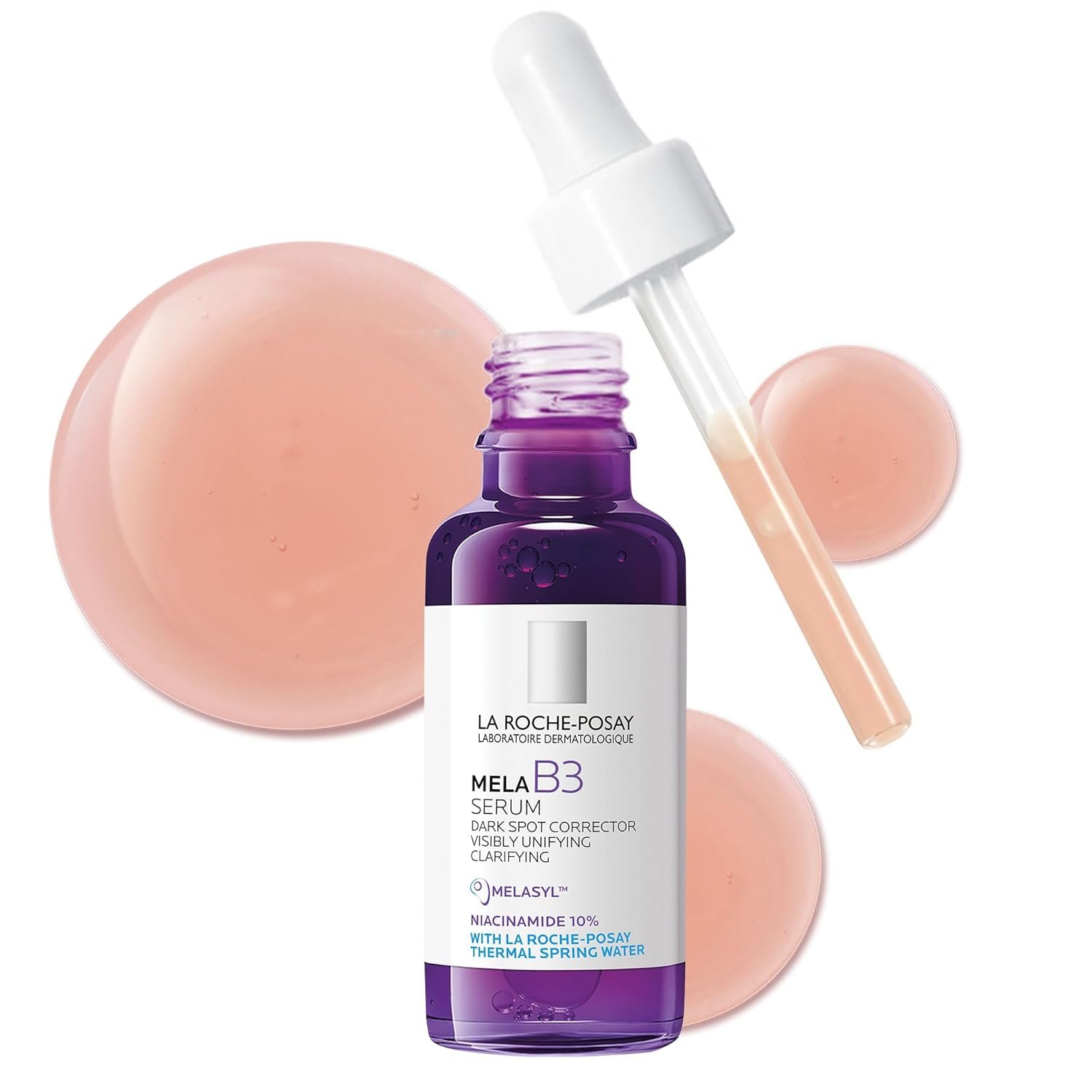
Learn more about balancing your complexion in our La Roche-Posay Mela B3 Serum Review.
The Real Impact: Are Organic Face Creams Worth It?
The truth is, organic face creams often cost more than regular ones. But for many users, the benefits—gentler care, fewer reactions, and better environmental impact—make the investment worth it. Some dermatologists say that while organic ingredients are not always more effective, they reduce the risk of irritation, especially for people with sensitive or allergy-prone skin.
Many users notice their skin feels softer and less irritated after a few weeks of using an organic cream. Over time, the natural oils and butters can help improve skin texture and protect against pollution and sun damage.
For detailed research on organic skincare benefits, see this scientific review.
Frequently Asked Questions
What Does “organic” Mean In Face Cream?
Organic means the ingredients come from plants grown without synthetic chemicals, pesticides, or GMOs. Real organic creams are certified by organizations like USDA or ECOCERT.
Can Organic Face Cream Help With Acne?
Yes, some organic creams help calm and hydrate acne-prone skin, especially those with ingredients like aloe vera or jojoba oil. Avoid creams with heavy butters if you have oily skin.
Is Organic Face Cream Better For Sensitive Skin?
Usually yes. Organic creams avoid artificial scents and dyes, which are common irritants. However, always check for natural allergens before using.
How Long Does Organic Face Cream Last?
Most organic creams last 6–12 months after opening. Because they use natural preservatives, they can spoil faster. Store in a cool, dry place.
Are All Natural Face Creams Organic?
No. “Natural” and “organic” are not the same. Only products with certified organic labels meet strict standards for ingredient sourcing and processing.
Choosing the right organic face cream can give your skin gentle, nourishing care without harsh chemicals. Remember, everyone’s skin is different. Pay attention to how your skin responds, and enjoy the benefits of nature’s best ingredients.
Credit: www.thelovingnature.co.uk
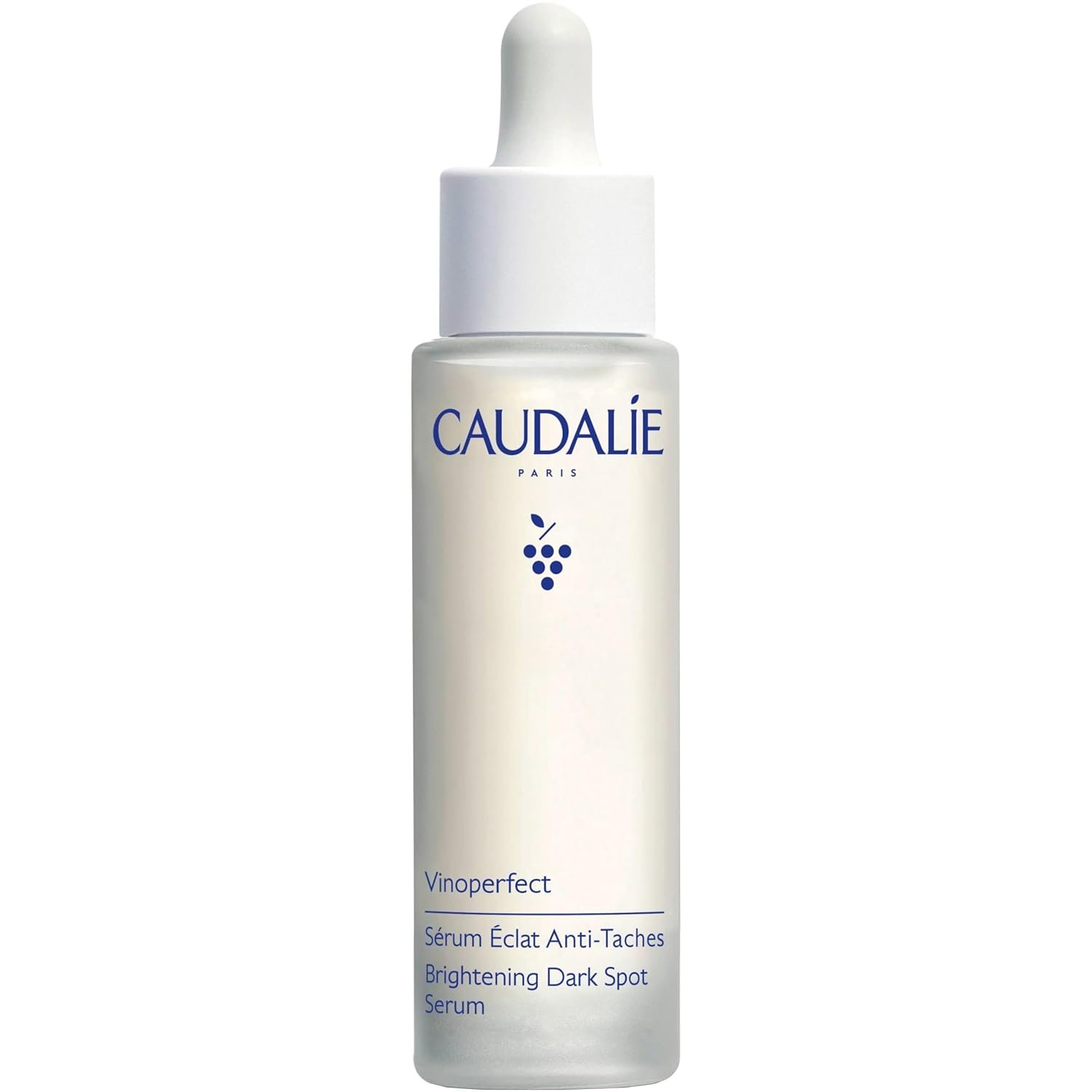
For additional insights on brightening dark spots naturally, read our Caudalie Vinoperfect Brightening Dark Spot Serum Review.