Jump To Section
- Why Sunscreen Application Matters
- Choosing The Right Sunscreen
- Step-by-step: How To Properly Apply Sunscreen
- Common Sunscreen Mistakes To Avoid
- Special Tips For Different Skin Types And Activities
- Two Insights Beginners Often Miss
- Practical Example: Applying Sunscreen For A Day At The Beach
- Sunscreen Myths That Can Harm You
- When To See A Dermatologist
- Frequently Asked Questions
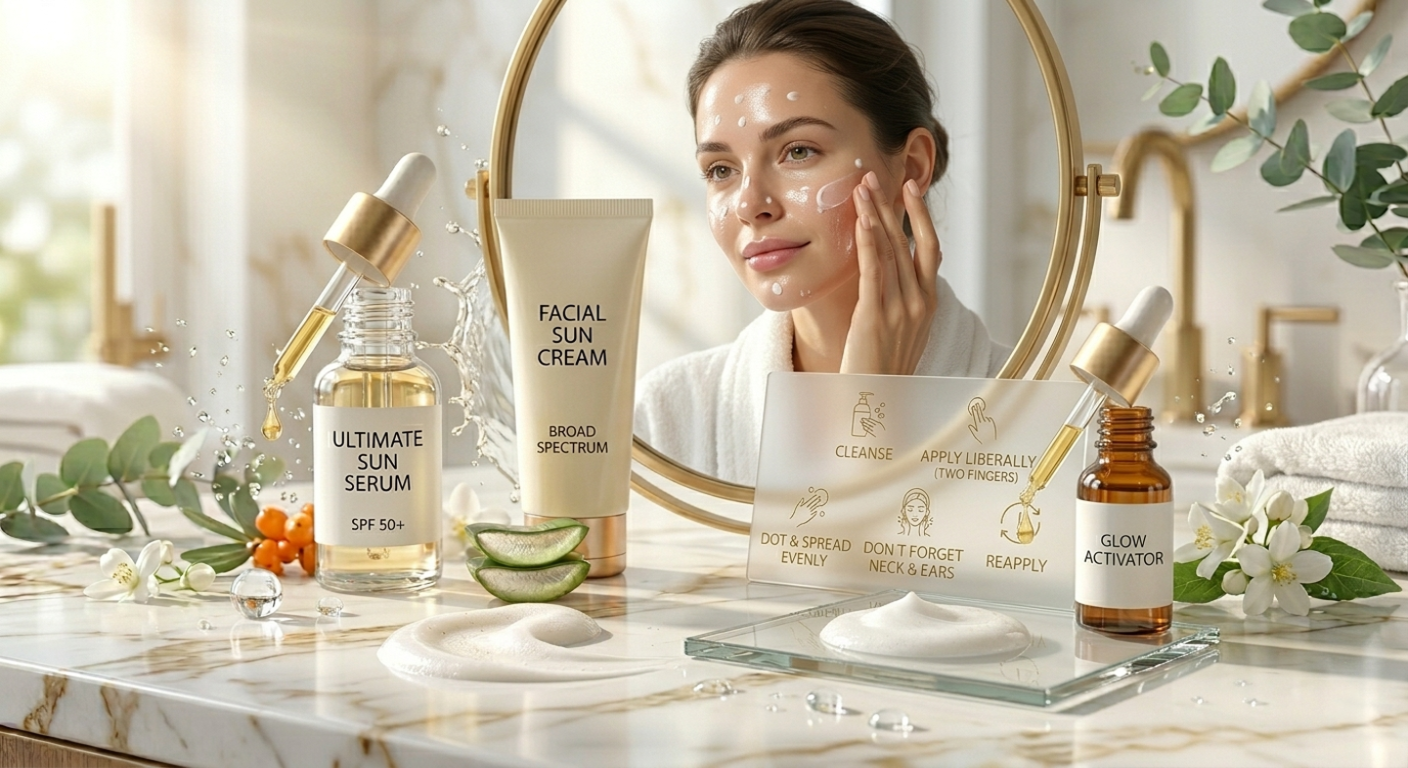
If you want real protection from harmful UV rays, you need to know the best way to use sunscreen. This article will show you step-by-step how to properly apply sunscreen, avoid common mistakes, and get the most out of your sun protection routine.
Why Sunscreen Application Matters
Sunscreen helps protect your skin from UV radiation, which can cause sunburn, aging, and even skin cancer. But studies show that most people use only 25-50% of the amount needed for full protection. If you don’t apply enough, or miss spots, the sunscreen can’t do its job. Even small mistakes can make a big difference: a missed patch or thin layer can lead to burning or long-term skin damage.
Choosing The Right Sunscreen
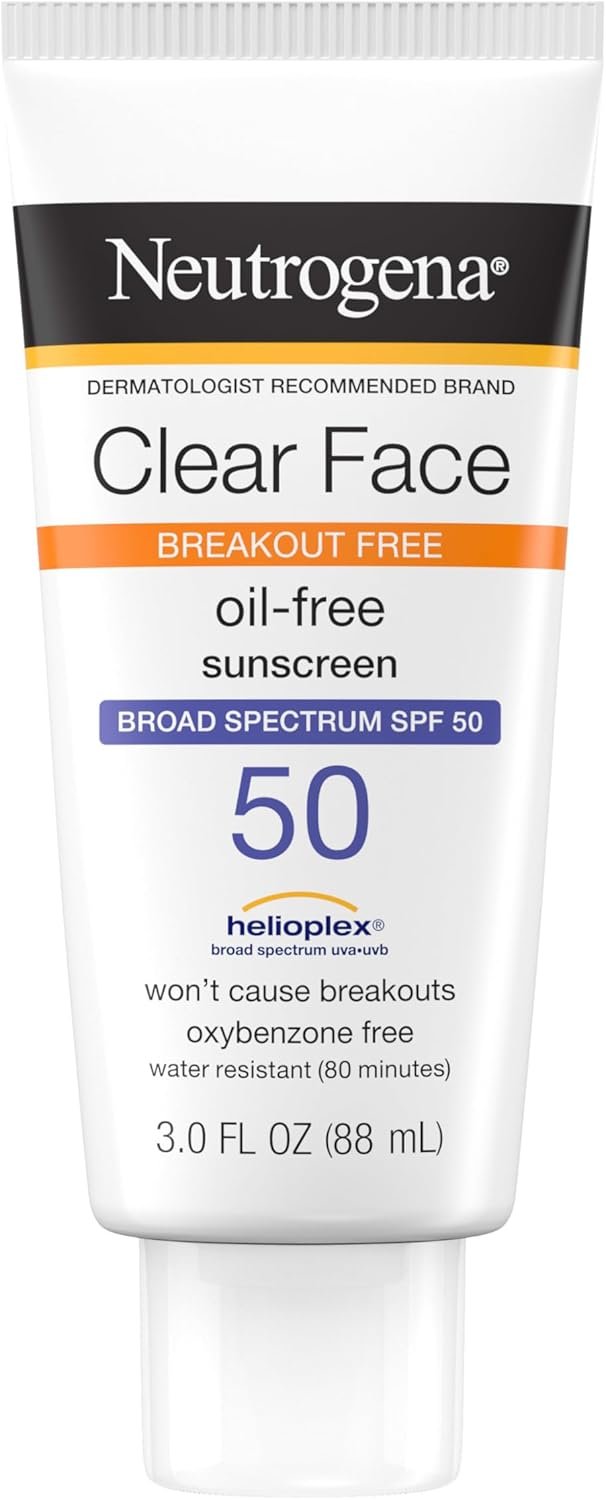
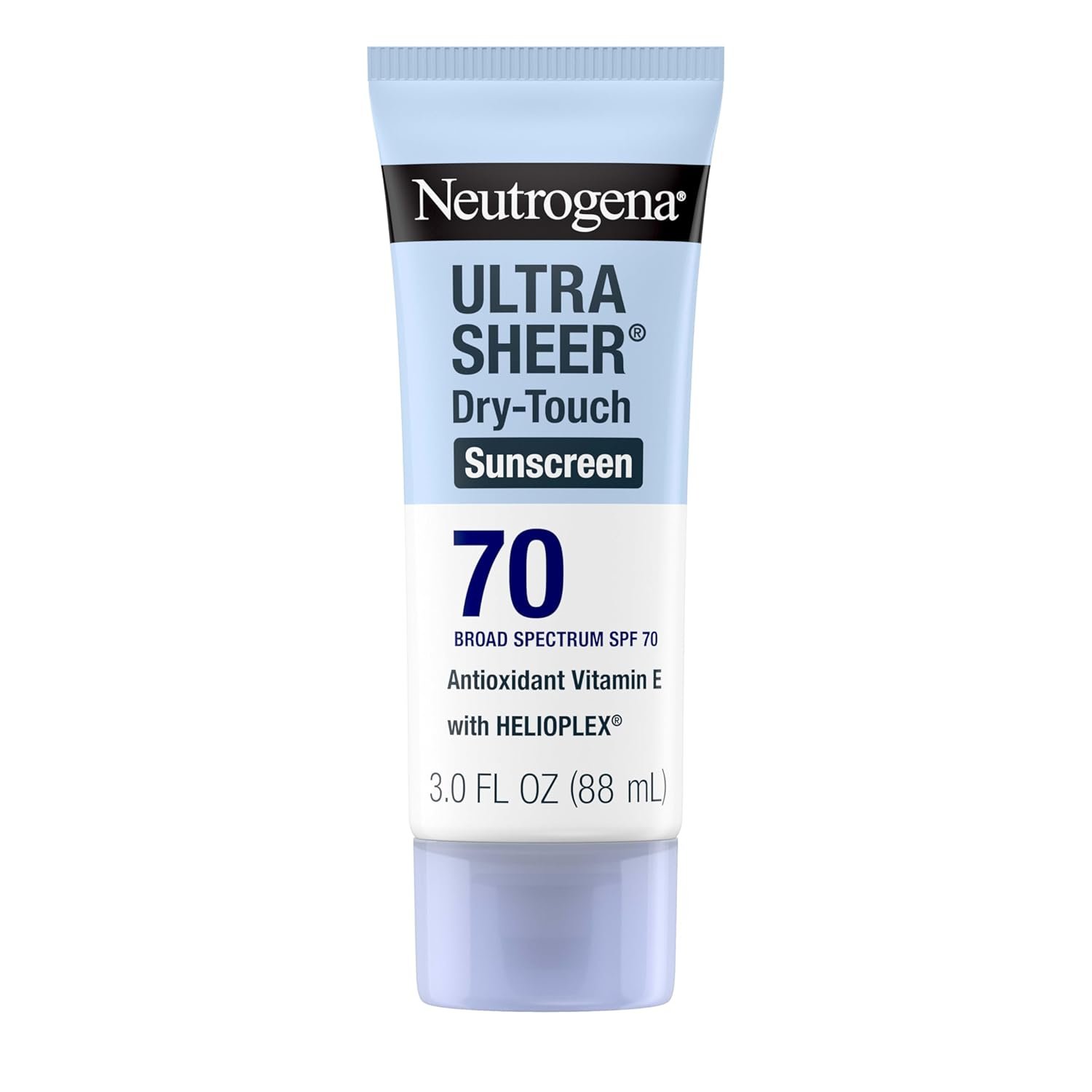
Before you apply sunscreen, make sure you’re using a product that fits your needs. Here are a few important things to look for:
- Broad-spectrum: Protects from both UVA (aging) and UVB (burning) rays.
- SPF 30 or higher: Blocks about 97% of UVB rays.
- Water-resistant: Stays on better during swimming or sweating.
Let’s compare different types:
| Type | Main Benefit | Best For |
|---|---|---|
| Lotion | Even coverage, moisturizing | Daily use, dry skin |
| Spray | Easy, quick application | Hard-to-reach areas, reapplication |
| Stick | Targeted spots, no mess | Face, sensitive areas |
Lotion
Spray
Stick
Step-by-step: How To Properly Apply Sunscreen
Applying sunscreen is not just about slapping on some lotion. Follow these steps for maximum protection:
1. Start With Clean, Dry Skin
Sunscreen sticks best to clean skin. If you’re sweaty or oily, gently wash and dry your skin first.
2. Measure The Right Amount
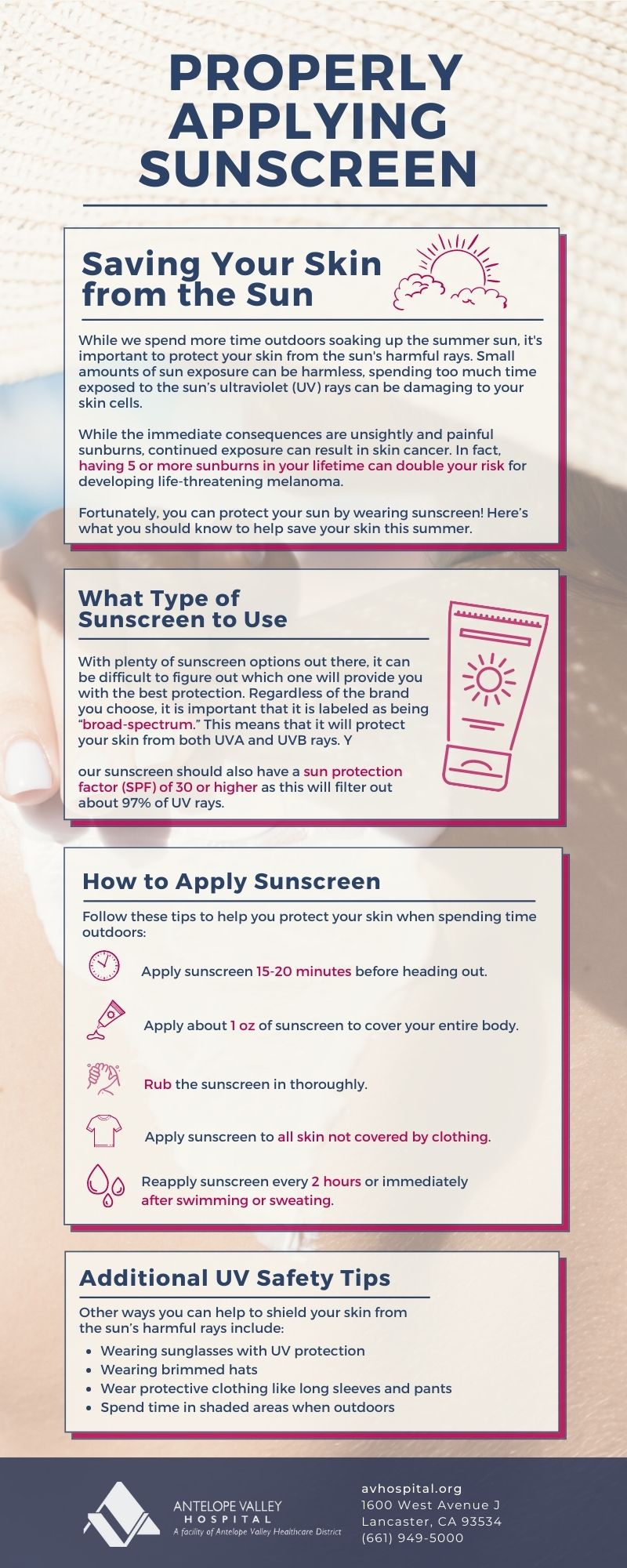
Most adults need about one ounce (a shot glass full) to cover the whole body. For the face and neck, use about a nickel-sized dollop.
| Body Part | Recommended Amount |
|---|---|
| Face & Neck | Nickel-sized amount |
| Each Arm | Half teaspoon |
| Each Leg | One teaspoon |
| Torso (front/back) | One teaspoon each |
Face & Neck
Each Arm
Each Leg
Torso (front/back)
Using less means less protection. Don’t skimp, even if it feels like a lot.
3. Apply 15 Minutes Before Sun Exposure
Sunscreen needs time to absorb and form a protective barrier. Apply it at least 15 minutes before you go outside.
4. Cover All Exposed Skin
Don’t forget easy-to-miss spots like:
- Ears
- Back of neck
- Tops of feet
- Backs of hands
- Hairline and scalp (if not covered by hair or a hat)
For lips, use a lip balm with SPF.
5. Rub It In Well
Massage sunscreen until you don’t see white streaks. For sprays, spray until you see a sheen, then rub in with your hands to cover evenly.
6. Reapply Every 2 Hours
Sunscreen wears off with time, sweat, and water. Reapply at least every 2 hours, and after swimming, sweating, or towel-drying.
Common Sunscreen Mistakes To Avoid
Many people think they’re protected, but these mistakes can leave your skin at risk:
- Using too little: Less sunscreen means less protection. Always use the recommended amount.
- Missing spots: Ears, eyelids, and feet are often forgotten.
- Not reapplying: Sunscreen doesn’t last all day.
- Applying after sun exposure: Sunscreen must be on before you go into the sun.
- Relying on makeup with SPF: Most makeup doesn’t provide enough coverage or amount to protect you.
- Using expired sunscreen: Check the date. Old sunscreen loses effectiveness.
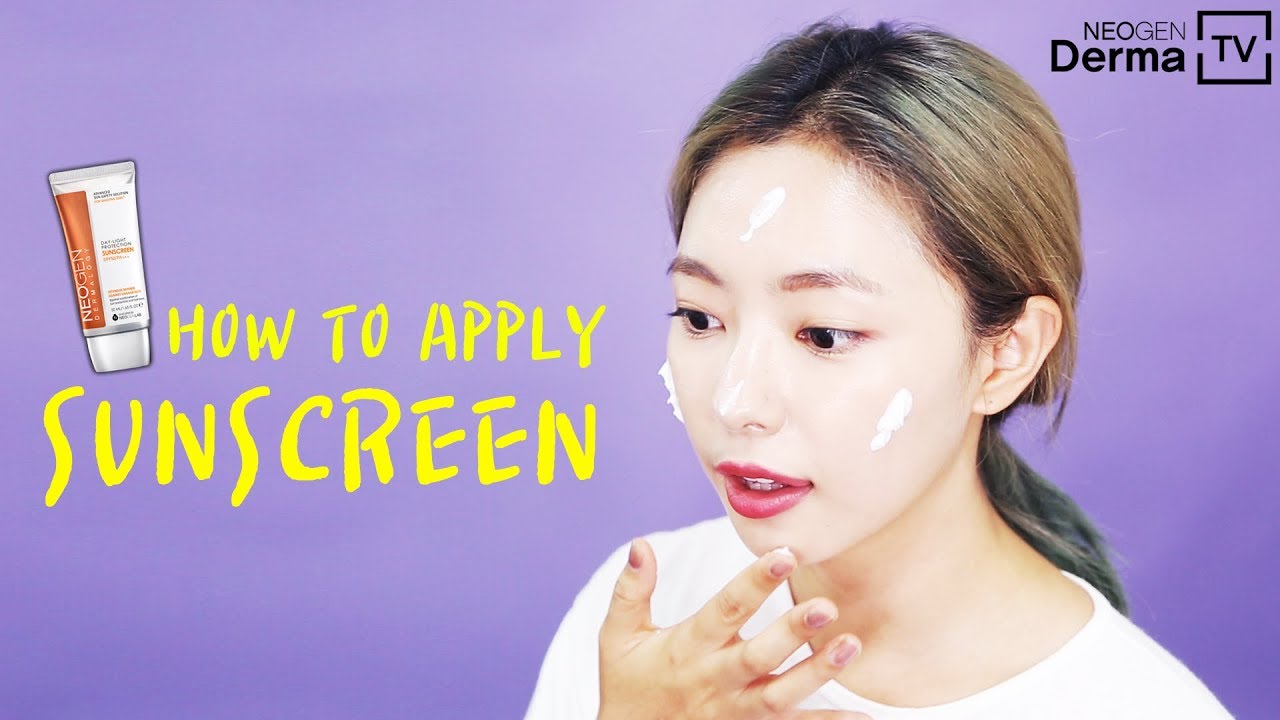
Credit: www.youtube.com
Special Tips For Different Skin Types And Activities
For Oily Or Acne-prone Skin
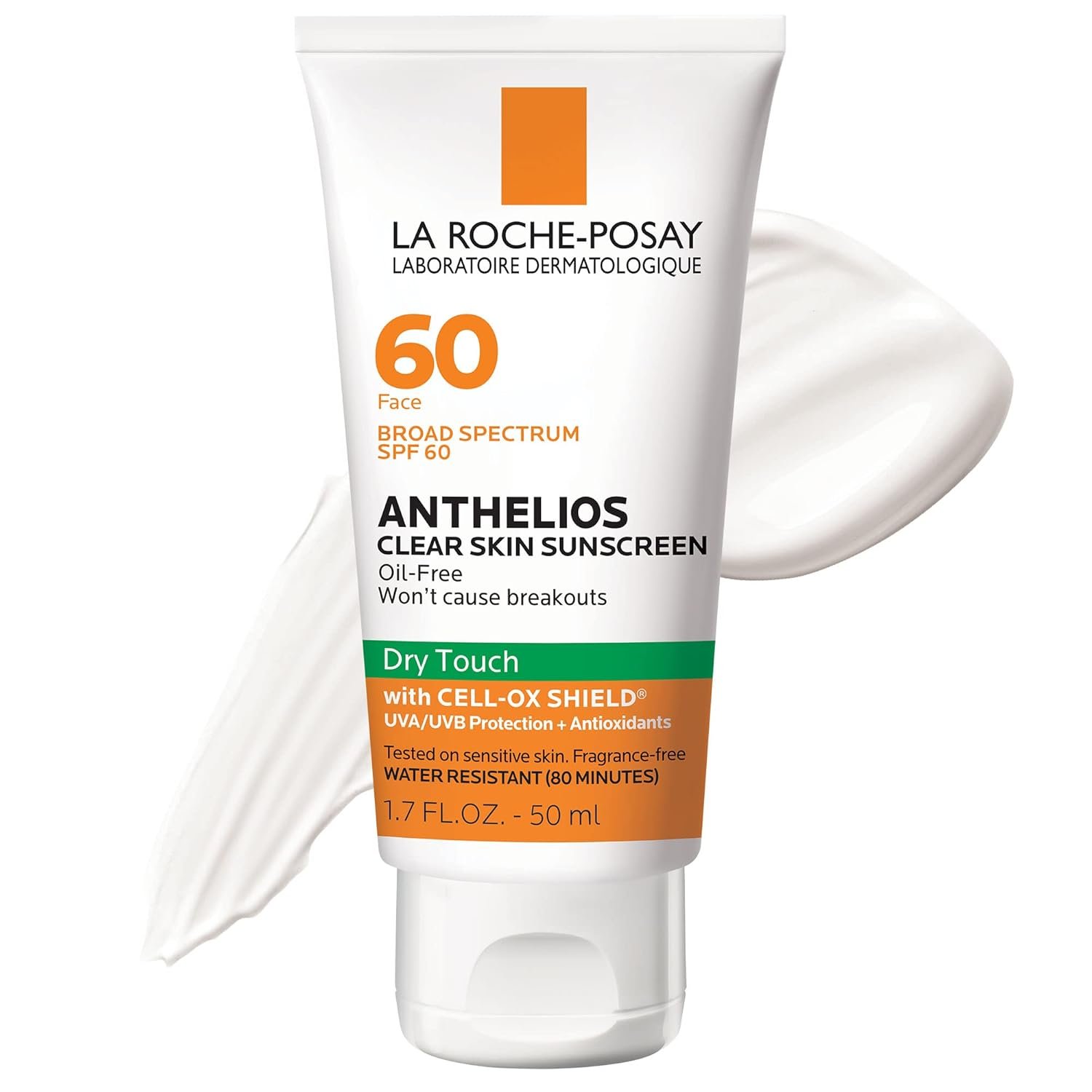
Look for oil-free or non-comedogenic formulas. These won’t clog pores or cause breakouts.
For Sensitive Skin
Choose mineral sunscreens (with zinc oxide or titanium dioxide). They are less likely to cause irritation.
For Outdoor Sports Or Swimming
Use water-resistant sunscreen and reapply every 40-80 minutes if you are sweating or in water.
For Children
Children’s skin is more sensitive. Use fragrance-free and broad-spectrum sunscreen. Avoid sprays for young children to prevent inhalation.
Two Insights Beginners Often Miss
First, sunscreen should be worn every day, even when it’s cloudy. Up to 80% of UV rays pass through clouds. Second, glass does not block UVA rays. If you’re sitting by a window or driving, you still need sunscreen.
Practical Example: Applying Sunscreen For A Day At The Beach
Imagine you’re going to the beach at 10:00 AM. Here’s how you should use sunscreen:
- At 9: 45 AM, apply one ounce of SPF 50, covering all exposed skin.
- After swimming or every 2 hours, dry off and reapply the same amount.
- Pay special attention to ears, feet, and scalp.
- Use lip balm with SPF, and wear a hat for extra protection.
Sunscreen Myths That Can Harm You
Some people think having dark skin means you don’t need sunscreen. This is false. While darker skin has more natural protection, it can still burn and develop skin cancer. Another myth is that you only need sunscreen at the beach. The truth: everyday sun exposure adds up, even on short walks or cloudy days.
Credit: forefrontdermatology.com
When To See A Dermatologist
If you often burn, or notice changes in your skin (like new moles or spots), see a dermatologist. They can help you choose the right sunscreen and check your skin for problems.
Frequently Asked Questions
What Spf Is Best For Daily Use?
Most experts recommend SPF 30 or higher for daily use. This level blocks 97% of UVB rays and is enough for most people, unless you have very fair skin or special needs.
Can I Use Sunscreen On Babies?
Babies under 6 months should be kept out of direct sunlight. For older babies, use mineral sunscreen and protective clothing. Always check with your doctor for the best option.
Does Sunscreen Expire?
Yes, sunscreen loses its effectiveness over time. Check the expiration date on the bottle. If it’s past the date or smells odd, buy a new one. According to the FDA, most sunscreens are good for about three years.
Can I Skip Sunscreen If My Makeup Has Spf?
No. Most makeup does not provide enough SPF or coverage. You would need to use a lot more product than normal. Always use a separate sunscreen underneath your makeup.
Are Spray Sunscreens As Effective As Lotions?
Sprays can be as effective if you use enough and rub them in well. However, it’s easy to miss spots or use too little. For children, avoid spraying near the face.
Taking a few extra minutes to apply sunscreen the right way can protect your skin for years to come. Make sunscreen a part of your daily routine, just like brushing your teeth. Your future self will thank you for it.
Credit: www.avmc.org