Jump To Section
- Why Spf Matters In Daily Moisturizers
- How Daily Moisturizers With Spf Work
- Key Factors To Consider When Choosing
- Common Mistakes When Using Moisturizers With Spf
- Benefits Beyond Sun Protection
- How To Use Daily Moisturizer With Spf Correctly
- Data And Statistics
- Practical Tips For Beginners
- Frequently Asked Questions
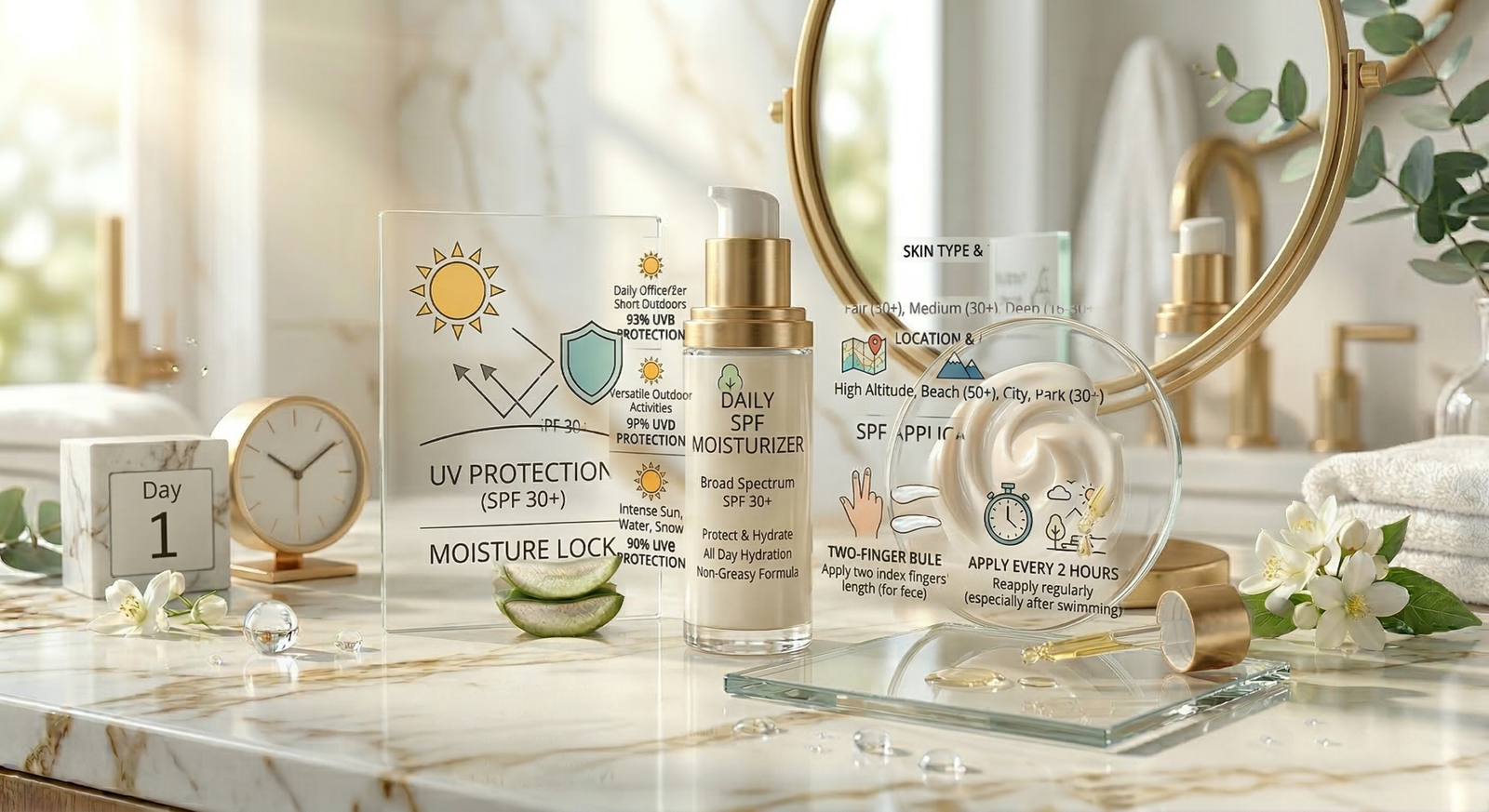
Using a daily moisturizer with SPF is one of the smartest ways to protect your skin. Many people focus on sunscreen only when they go outside or visit the beach. But the truth is, UV rays can damage your skin every day—even on cloudy mornings, or when you stay indoors near windows. Choosing a good moisturizer with SPF makes it easy to care for your skin, fight early signs of aging, and prevent sunburn. If you’re unsure what to look for, or wonder if SPF in your moisturizer is enough, this article will help you make confident decisions.
Why Spf Matters In Daily Moisturizers
Sun protection is not just for summer. The sun’s ultraviolet rays are present all year, and they can harm your skin in ways you may not notice right away. Studies show that up to 80% of skin aging is caused by sun exposure. This includes wrinkles, dark spots, and loss of skin elasticity. SPF stands for Sun Protection Factor. It measures how well a product protects against UVB rays, which cause sunburn.
When you use a daily moisturizer with SPF, you get two benefits at once:
- Hydrated skin: Moisturizers help keep your skin soft and healthy.
- Sun protection: SPF prevents damage from UV rays.
For busy mornings, this combination saves time and makes your skincare routine simple.
How Daily Moisturizers With Spf Work
Daily moisturizers with SPF are made to be lightweight and comfortable for everyday use. They usually contain:
- Hydrating ingredients like glycerin, hyaluronic acid, or aloe vera.
- SPF protection from ingredients such as titanium dioxide or avobenzone.
Most brands offer SPF 15, 30, or even 50. SPF 30 is recommended for most people, as it blocks about 97% of UVB rays. The higher the SPF, the better the protection, but it doesn’t mean you can stay in the sun longer without reapplying.
| SPF Level | UVB Protection (%) | Recommended For |
|---|---|---|
| SPF 15 | 93% | Indoor days, mild sun |
| SPF 30 | 97% | Everyday outdoor activities |
| SPF 50 | 98% | Intense sun, sensitive skin |
SPF 15
SPF 30
SPF 50
Credit: www.vanicream.com
Key Factors To Consider When Choosing
Not all moisturizers with SPF are the same. Here are important things to check:
- Broad spectrum: Choose products labeled broad spectrum. This means they protect against both UVA and UVB rays. UVA rays cause aging, while UVB rays cause sunburn.
- Skin type: If you have oily skin, look for oil-free or non-comedogenic formulas. For dry skin, pick creams with extra hydration.
- SPF rating: SPF 30 is ideal for most people. Higher SPF is good for sensitive skin or outdoor workers.
- Texture and finish: Some moisturizers leave a shiny look, while others give a matte finish. Pick what feels best for your skin.
- Ingredients: Avoid products with fragrance or alcohol if your skin is sensitive. Look for soothing ingredients like ceramides or niacinamide.
| Skin Type | Recommended Ingredients | SPF Level |
|---|---|---|
| Oily | Oil-free, niacinamide | SPF 30-50 |
| Dry | Hyaluronic acid, ceramides | SPF 30 |
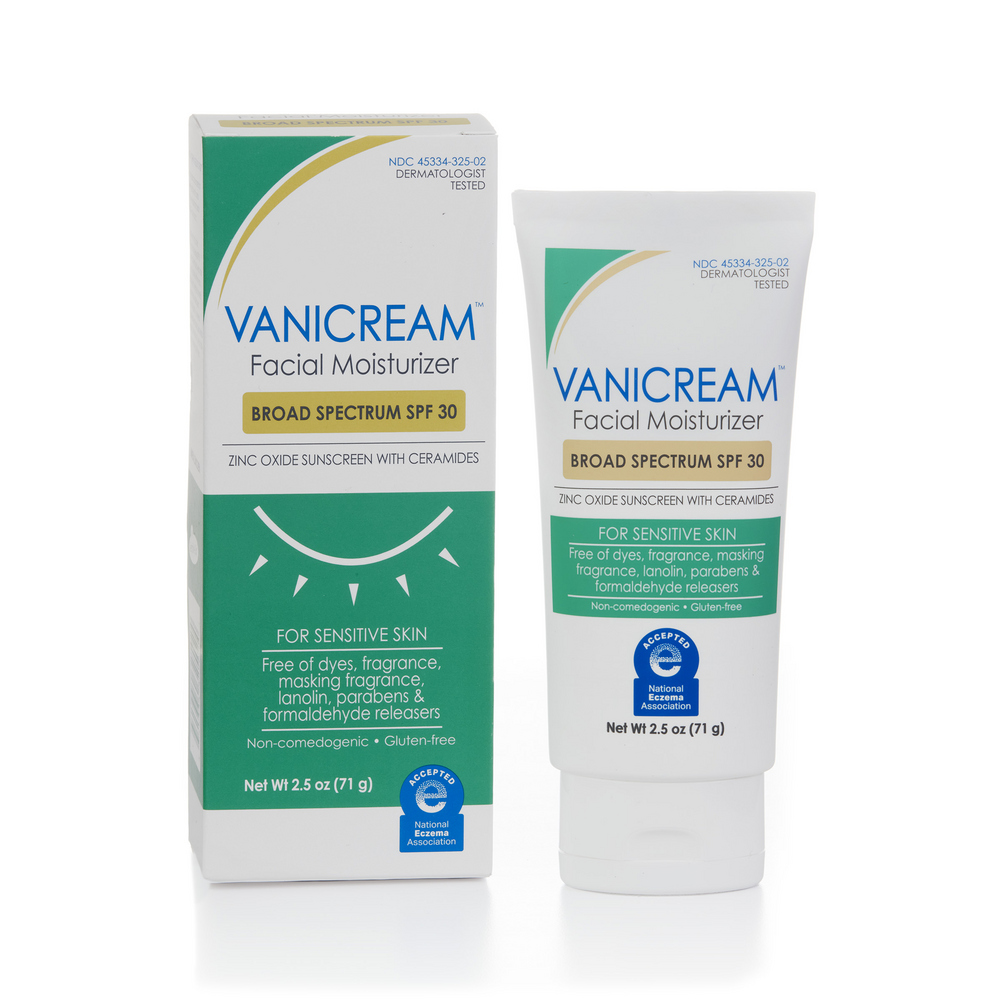
| Sensitive | Titanium dioxide, fragrance-free | SPF 30-50 |
Oily
Dry
Sensitive
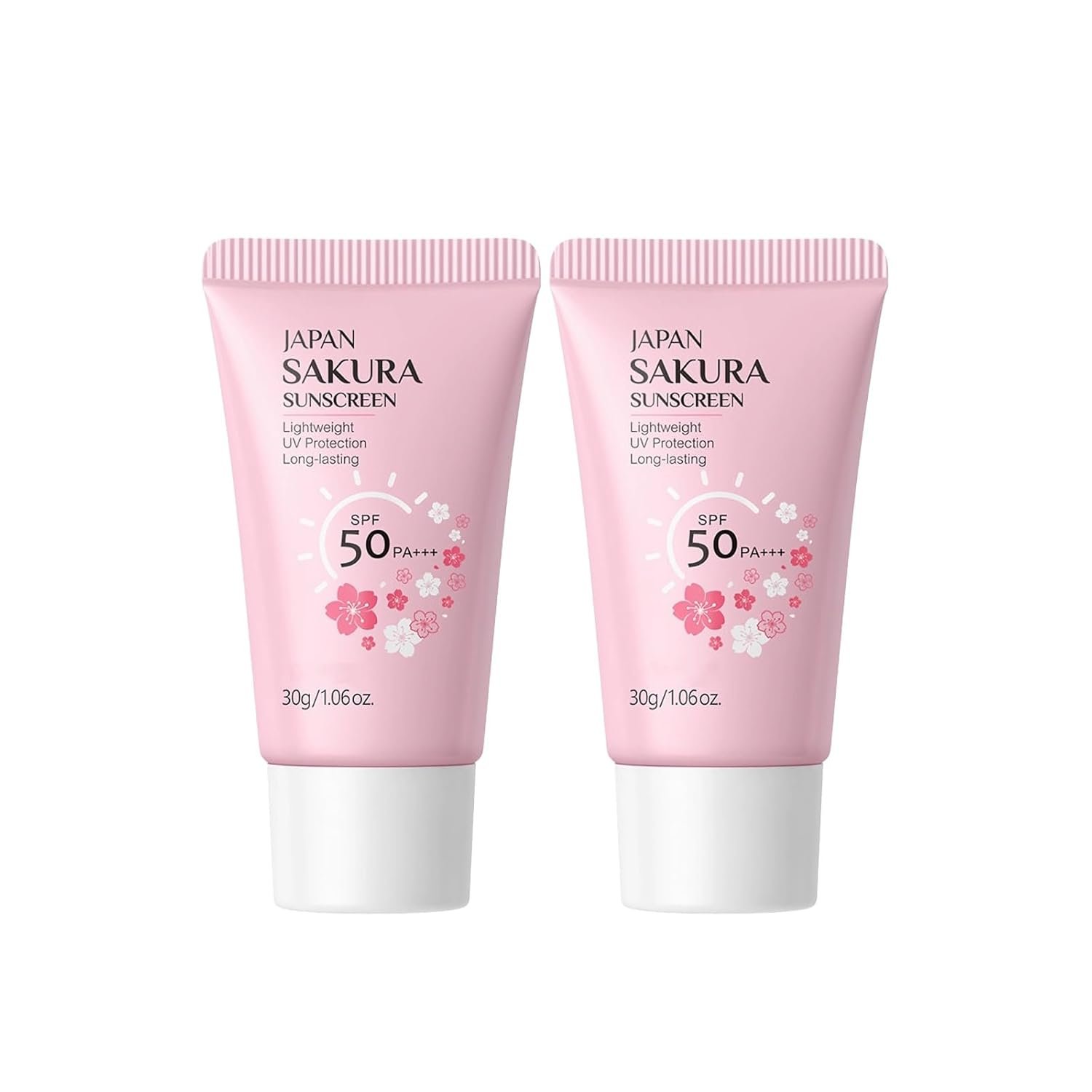
Common Mistakes When Using Moisturizers With Spf
Many people use SPF products, but still get sunburn or skin damage. Here are mistakes to avoid:
- Using too little product: You need about 1/4 teaspoon for your face and neck.
- Not reapplying: SPF fades after a few hours. If you sweat or touch your face, apply again.
- Missing areas: Don’t forget your ears, hairline, and neck.
- Believing makeup is enough: Foundation or powder with SPF is not a substitute for real sun protection.
A non-obvious tip: Apply SPF moisturizer 15 minutes before going outside. This gives time for the product to absorb and start working.
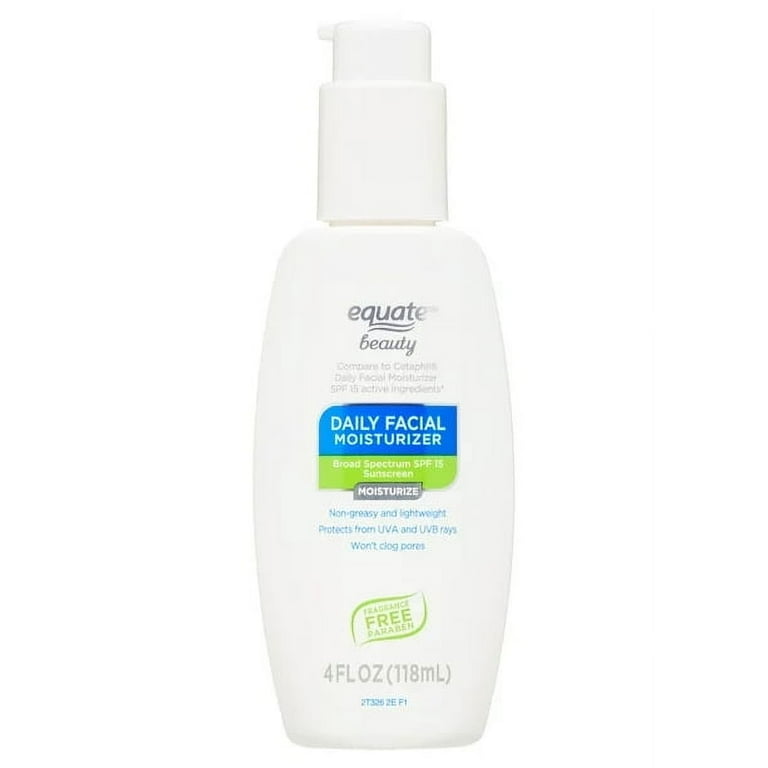
Credit: www.walmart.com
Benefits Beyond Sun Protection
Daily moisturizers with SPF do more than just protect from the sun. Many products include extra features:
- Anti-aging: Ingredients like peptides or antioxidants help reduce wrinkles.
- Brightening: Vitamin C or licorice extract can fade dark spots.
- Even skin tone: Some formulas reduce redness or help with acne marks.
If you want to simplify your morning routine, a single product can give you multiple benefits. This is especially useful for people who don’t like layering many creams or serums.
How To Use Daily Moisturizer With Spf Correctly
Applying your moisturizer with SPF correctly makes a big difference. Here are steps to follow:
- Clean your face with gentle cleanser and pat dry.
- Apply 1/4 teaspoon of SPF moisturizer to your face and neck.
- Wait 15 minutes before sun exposure.
- Reapply every 2 hours if you are outside, or after sweating or swimming.
- If you wear makeup, let the moisturizer fully absorb before adding other products.
Here’s a quick comparison of application methods:
| Method | Benefits | Drawbacks |
|---|---|---|
| Fingers | Even coverage, easy to measure | Can miss small areas |
| Brush | Good for makeup blending | Product loss on brush |
| Sponge | Smooth finish | Absorbs some product |
Fingers
Brush
Sponge
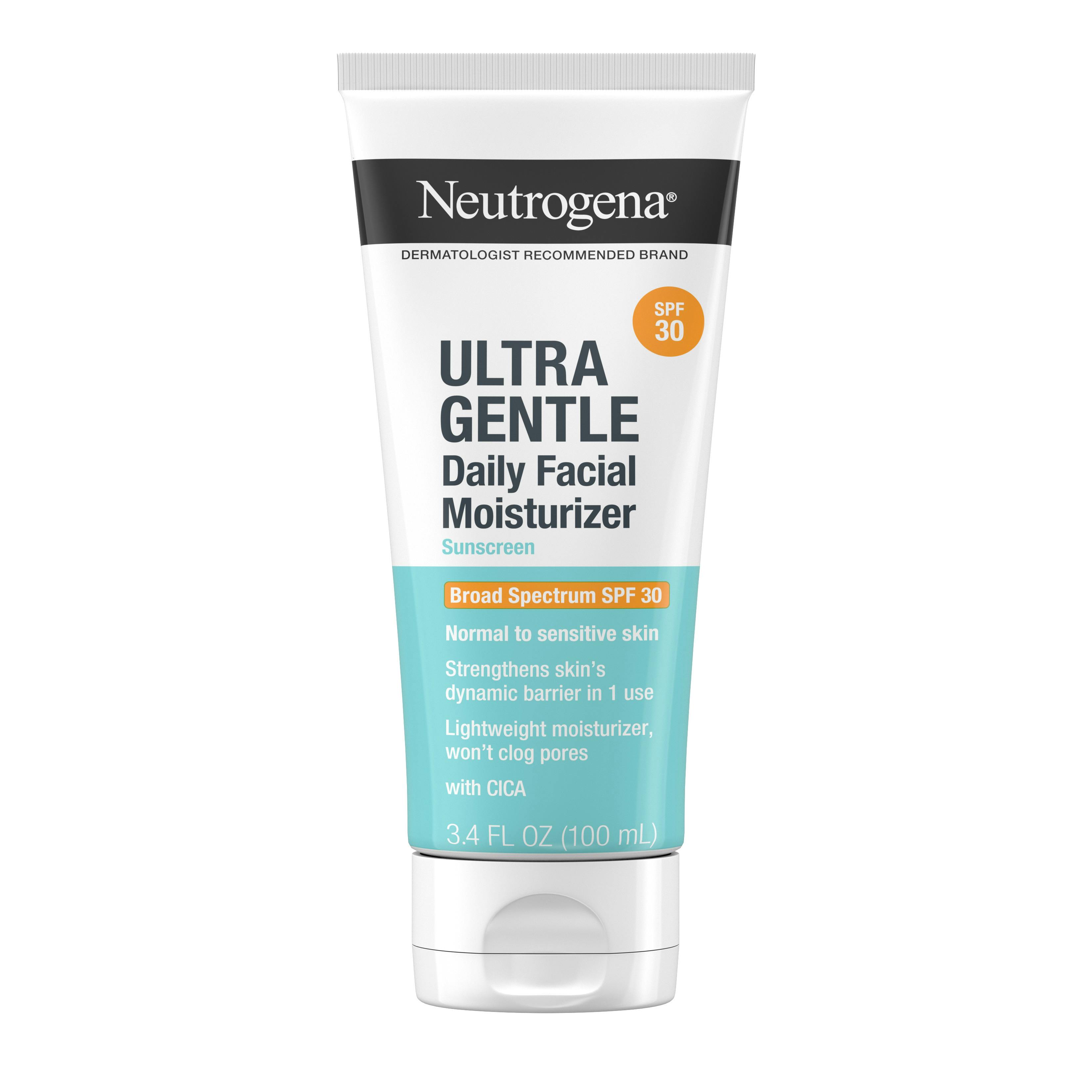
Credit: es.neutrogena.com
Data And Statistics
Recent surveys show that only 30% of adults use SPF daily. This is worrying because skin cancer rates are rising worldwide. According to the American Academy of Dermatology, using SPF daily can lower skin cancer risk by up to 50%. People who use SPF moisturizer see fewer wrinkles and age spots after just 8 weeks.
Another insight: Windows in homes and offices block most UVB rays, but UVA rays still pass through. This means even if you’re inside, you need protection.
Practical Tips For Beginners
If you’re new to SPF moisturizers, start with these ideas:
- Choose a formula that suits your skin type.
- Try samples before buying a full-size product.
- Set a reminder in your phone to apply and reapply.
- Keep a travel-size tube in your bag for outdoor days.
For more scientific information on sun protection, you can visit the Skin Cancer Foundation.
Frequently Asked Questions
How Much Spf Do I Need In My Daily Moisturizer?
Most experts recommend SPF 30 for everyday use. It offers strong protection for most skin types. If you have sensitive skin or spend more time outdoors, SPF 50 is better.
Can I Use Moisturizer With Spf Instead Of Sunscreen?
Yes, for daily city life. But for beach or sports, you need a dedicated sunscreen. Moisturizer with SPF is ideal for everyday use, but may not last as long during intense sun exposure.
Does Spf Moisturizer Work For All Skin Tones?
Absolutely. People with all skin tones need SPF protection. Skin cancer and aging can affect anyone, regardless of color. Choose formulas that don’t leave a white cast if you have darker skin.
Is It Safe To Use Spf Moisturizer Around The Eyes?
Yes, but avoid getting product inside your eyes. Use a small amount and choose gentle formulas. If your eyes get irritated, try a mineral-based SPF moisturizer.
How Often Should I Reapply Moisturizer With Spf?
Reapply every 2 hours if you’re outside, or after sweating or swimming. For indoor days, once in the morning is enough.
Using a daily moisturizer with SPF is a simple habit that protects your skin for life. It saves time, prevents sun damage, and can make your skin look healthier and younger. Make it part of your morning routine, and you’ll see the benefits every day.