Jump To Section

Sun spots on the face are a common skin concern for many people. These small, dark patches often appear after years of sun exposure. While they are usually harmless, many want to remove them because they can make the skin look uneven or older.
If you are searching for clear solutions, you are not alone. This guide will help you understand what causes sun spots, how to remove them safely, and what you can do to prevent new spots from forming. Simple language, practical tips, and science-backed advice will help you take control of your skin’s health.
What Are Sun Spots And Why Do They Appear?
Sun spots, also called solar lentigines or liver spots, are flat brown or black spots that appear on skin exposed to the sun. They are most common on the face, hands, shoulders, and arms. The main cause is ultraviolet (UV) rays from the sun, which trigger the skin to produce more melanin—the pigment that gives skin its color. Over time, this extra melanin collects in small areas, forming sun spots.
People over 40 are more likely to develop sun spots, but younger people who spend a lot of time in the sun can get them too. Tanning beds can also cause these marks. Genetics play a role: if your parents had sun spots, you may be more likely to get them.
How To Remove Sun Spots On Face: Top Methods
Many options exist for removing sun spots, from home remedies to medical treatments. The best choice depends on your skin type, budget, and how quickly you want results.
1. Topical Creams And Serums
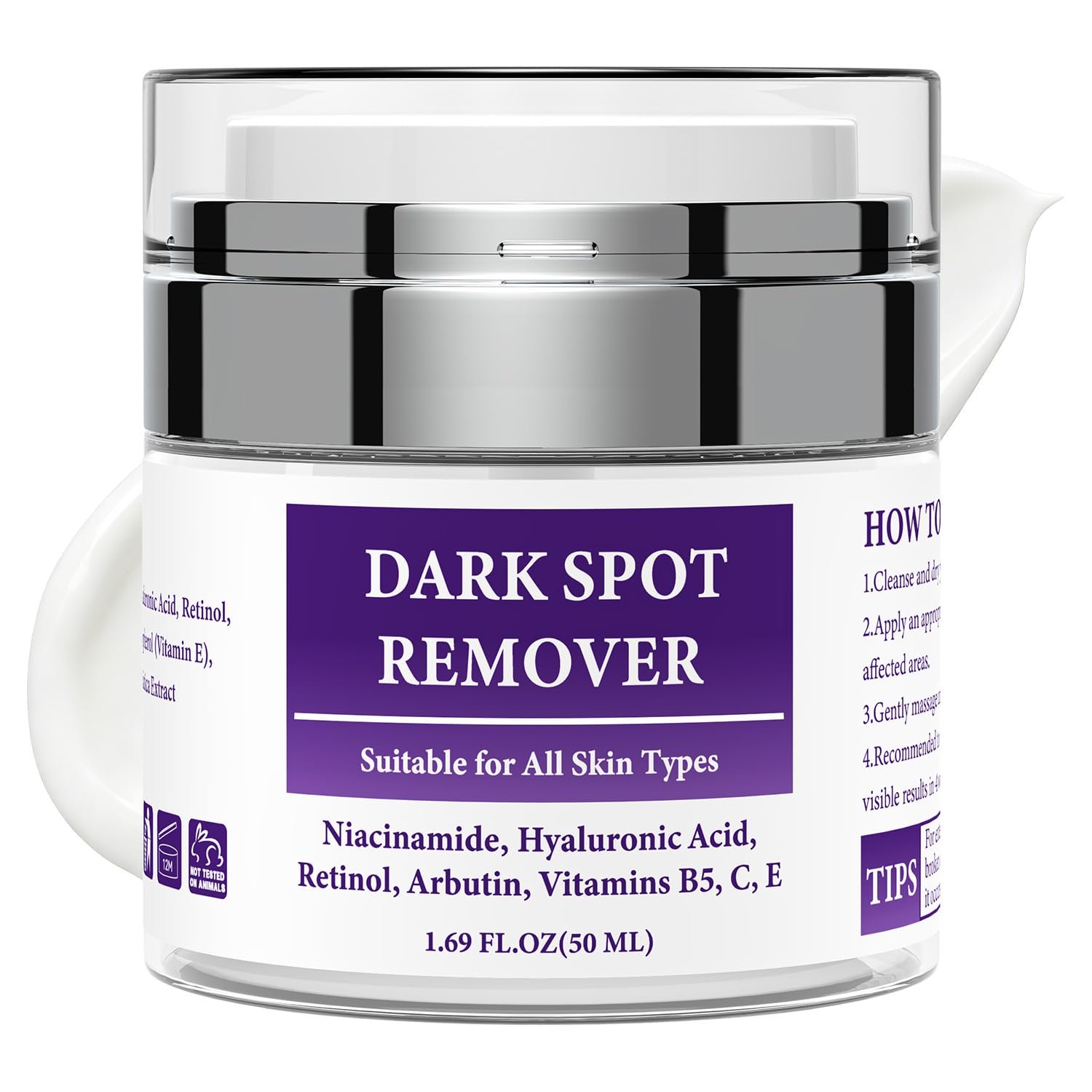
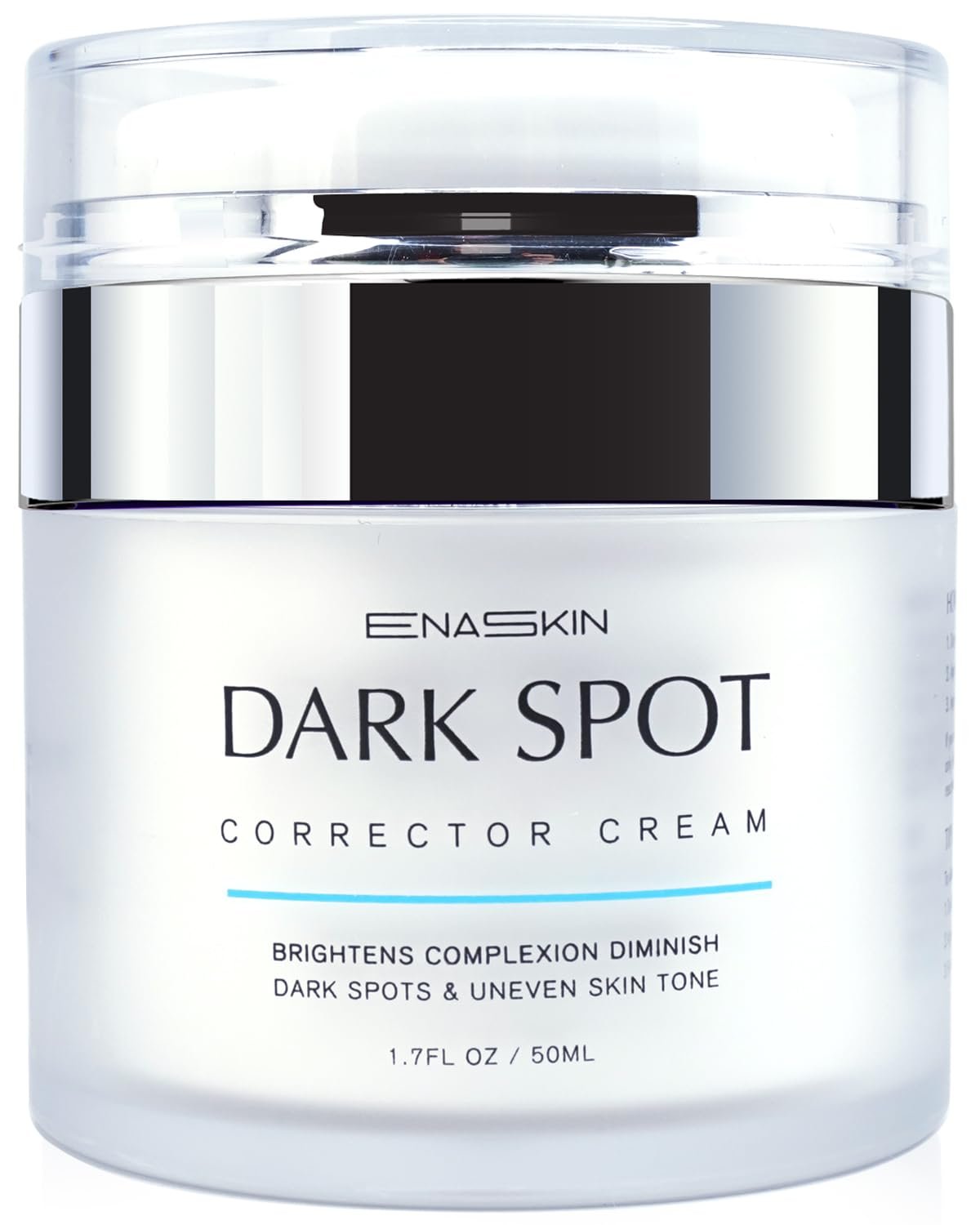
Many over-the-counter creams contain ingredients that can lighten sun spots. Look for products with:
- Hydroquinone: A common skin-lightening agent that reduces melanin.
- Retinoids (like tretinoin): Speed up cell turnover and fade dark spots.
- Vitamin C: An antioxidant that brightens skin and reduces pigmentation.
- Kojic acid and azelaic acid: Help block pigment production.
It usually takes several weeks or months to see results. Always use sunscreen with these products, as your skin can become more sensitive to sunlight.
2. Chemical Peels
A chemical peel uses a solution to remove the outer layer of skin. This reveals new, less pigmented skin underneath. Peels can be mild (using alpha hydroxy acids) or strong (using trichloroacetic acid). Mild peels can be done at home or by a professional, while deeper peels should only be done by a dermatologist.
Peeling can cause redness and mild discomfort for a few days. Results are usually seen after a few sessions.
3. Laser Treatments
Laser therapy targets melanin in sun spots, breaking it up so the body can remove it naturally. This method is fast and effective, often needing only a few sessions. Two common types of lasers used are Q-switched lasers and Intense Pulsed Light (IPL).
Laser treatments can be expensive and may cause mild side effects like redness or swelling, but these usually go away quickly.
4. Microdermabrasion
This procedure uses tiny crystals or a diamond tip to remove the outer layer of skin. It is less intense than laser or chemical peels, but can still help fade sun spots over several sessions.
It is safe for most skin types and has little downtime.
5. Cryotherapy
Cryotherapy freezes sun spots with liquid nitrogen. The cold destroys pigment cells, and the spot falls off after a few days. This method is quick, but can sometimes cause light or dark patches as side effects, especially for people with darker skin.
6. Natural Remedies
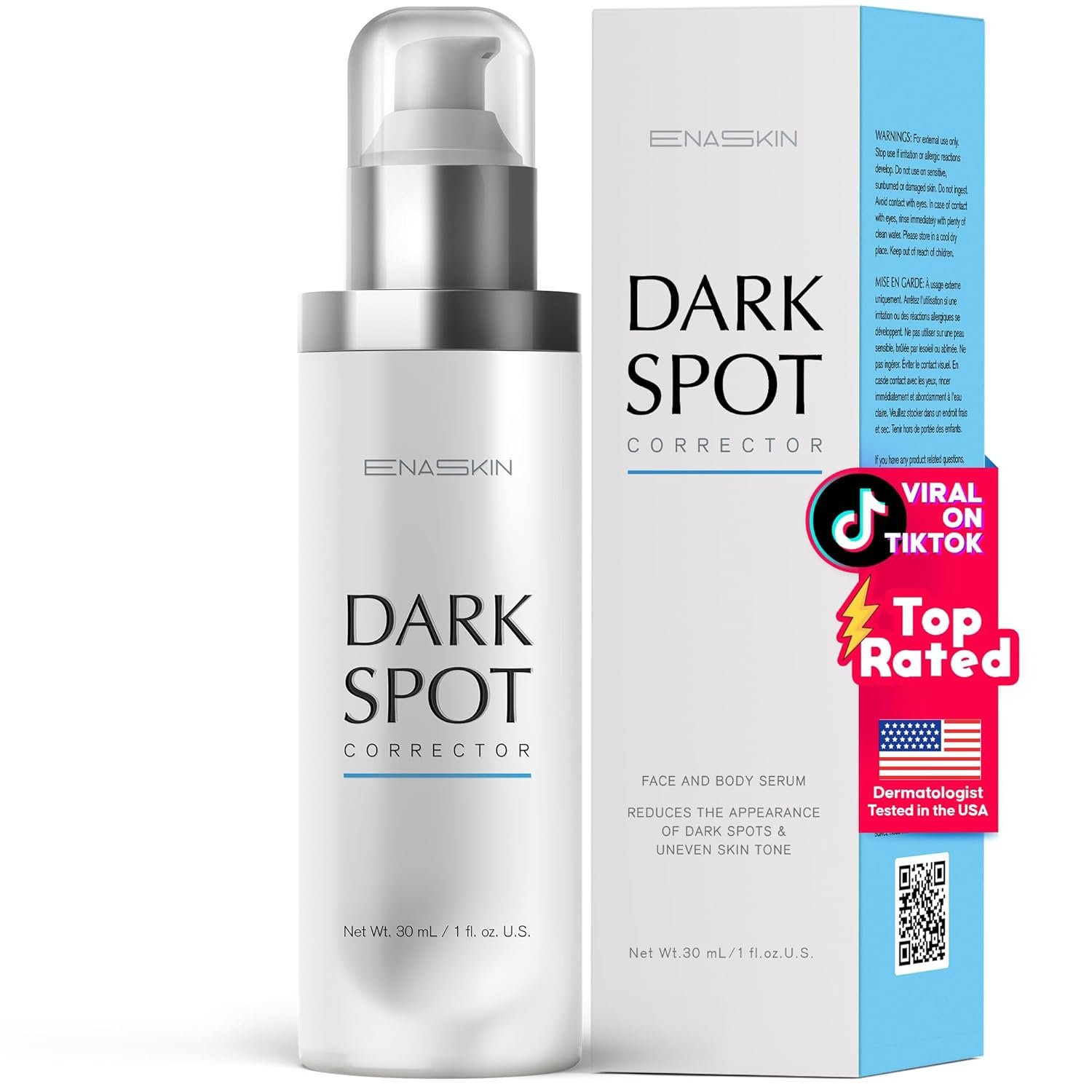
Some people try natural ingredients to lighten sun spots, such as:
- Aloe vera gel
- Apple cider vinegar
- Lemon juice (use with caution, as it can irritate)
- Green tea extract
These remedies may offer mild results but are not as effective as medical treatments. Always do a patch test first to avoid irritation.
7. Prescription Medications
Dermatologists can prescribe stronger creams, such as prescription-strength hydroquinone or tretinoin. These are more powerful than over-the-counter products and can give faster results, but may cause dryness or redness.

Credit: sdbotox.com
Comparing Sun Spot Removal Methods
Choosing the right treatment depends on your needs. Here is a quick comparison of the most popular options:
| Method | Speed of Results | Cost | Best For |
|---|---|---|---|
| Topical Creams | 4–12 weeks | Low | Mild spots, gradual change |
| Chemical Peels | 2–4 weeks | Medium | Multiple spots, mild to moderate |
| Laser Treatments | 1–3 sessions | High | Deep or stubborn spots |
| Microdermabrasion | 3–6 sessions | Medium | Surface spots, sensitive skin |
| Cryotherapy | 1 session | Medium | Small number of spots |
Topical Creams
Chemical Peels
Laser Treatments
Microdermabrasion
Cryotherapy
Key Tips For Safe And Effective Sun Spot Removal
- Always use sunscreen (SPF 30 or higher) during and after treatment.
- Test new products on a small area before full use.
- Avoid picking or scratching sun spots, as this can cause scarring.
- If a spot changes shape, color, or bleeds, see a dermatologist to rule out skin cancer.

Credit: drsabrina.com
Sun Spot Prevention: What Really Works
Stopping sun spots before they start is easier than treating them. Here are the most effective steps:
- Apply broad-spectrum sunscreen every day, even on cloudy days.
- Wear hats and sunglasses to protect your face.
- Avoid the sun between 10 a.m. and 4 p.m., when UV rays are strongest.
- Use protective clothing when outdoors.
- Reapply sunscreen every two hours, or after swimming or sweating.
Here is a quick look at sunscreen types and their pros and cons:
| Type | Example Ingredients | Pros | Cons |
|---|---|---|---|
| Chemical | Oxybenzone, Avobenzone | Lightweight, blends well | May irritate sensitive skin |
| Mineral | Zinc oxide, Titanium dioxide | Gentle, immediate protection | Can leave white cast |
Chemical
Mineral
Two Surprising Facts About Sun Spots
- Sun spots can appear years after sun exposure. Even if you avoided the sun recently, damage from years ago can show up now.
- Blue light from screens may also contribute to uneven skin tone. If you spend hours in front of digital devices, consider using a screen protector or antioxidant serum.
When To See A Doctor
Most sun spots are harmless. But if you notice rapid growth, irregular edges, or color changes, see a skin specialist. These changes can be signs of melanoma, a type of skin cancer.
Frequently Asked Questions
What Is The Fastest Way To Remove Sun Spots On The Face?
Laser treatments and cryotherapy can provide the quickest results, sometimes in just one or two sessions. However, they can be costly and may need a dermatologist’s visit.
Are Sun Spots Dangerous?
Most sun spots are not dangerous and do not become cancerous. However, any spot that changes in size, color, or shape should be checked by a doctor.
Can Natural Remedies Really Lighten Sun Spots?
Some natural remedies may help a little, especially for mild spots. But results are often slow and less noticeable than with medical treatments.
How Long Does It Take For Sun Spots To Fade With Creams?
With regular use, topical creams may fade sun spots in 1–3 months. Stronger prescription products can work faster but may cause side effects.
Do Sun Spots Come Back After Treatment?
Yes, sun spots can return if you continue to get sun exposure without protection. Daily sunscreen use is key to keeping your skin clear.
Removing sun spots on the face is possible with patience and the right approach. Whether you choose home remedies, creams, or professional treatments, protecting your skin from the sun is the most important step for lasting results. For more information on skin health and sun safety, visit the American Academy of Dermatology. Consistent care and awareness will help keep your skin healthy, bright, and spot-free.
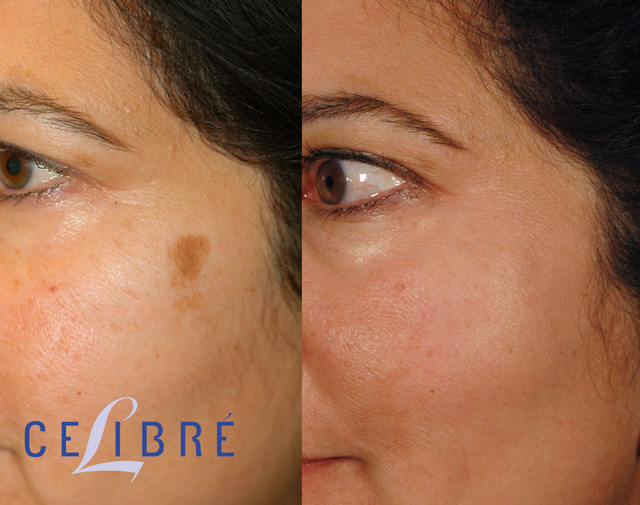
Credit: celibre.com