Jump To Section
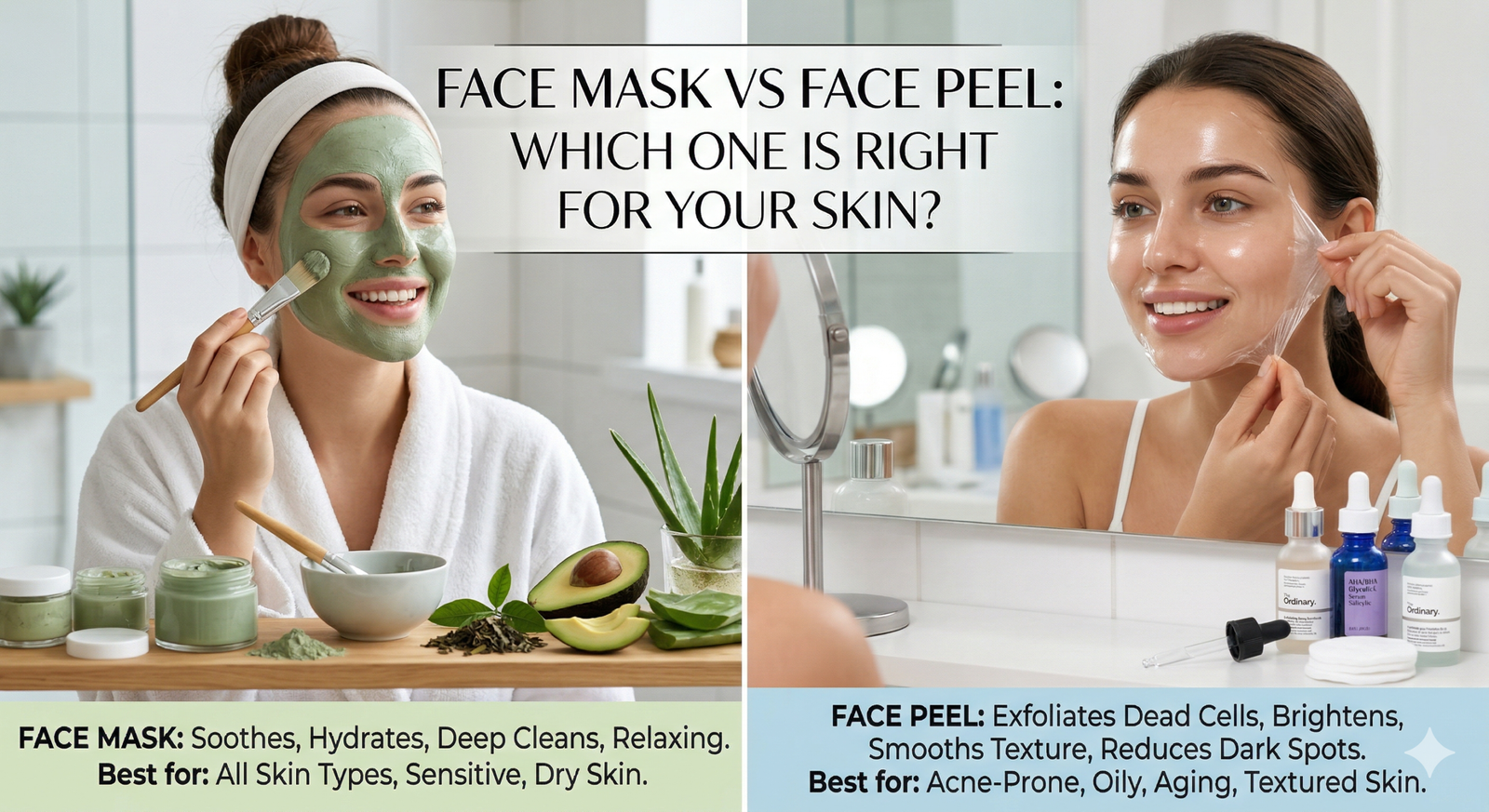
If you’re looking to refresh your skin, you’ve probably heard about face masks and face peels. Both are popular ways to care for your face. But choosing between them can feel confusing. Which one is better? What’s the difference? And which is right for your skin type? Let’s break down these treatments, compare their benefits, and help you decide.
What Is A Face Mask?
Face masks are skincare products you apply to your face and leave on for a short time. They come in many forms—creamy, gel, clay, sheet, or peel-off. Most masks aim to hydrate, calm, or clean your skin.
The ingredients vary. Some common mask types include:
- Clay masks: Remove oil and dirt from pores.
- Hydrating masks: Add moisture with ingredients like hyaluronic acid.
- Sheet masks: Infuse skin with serums.
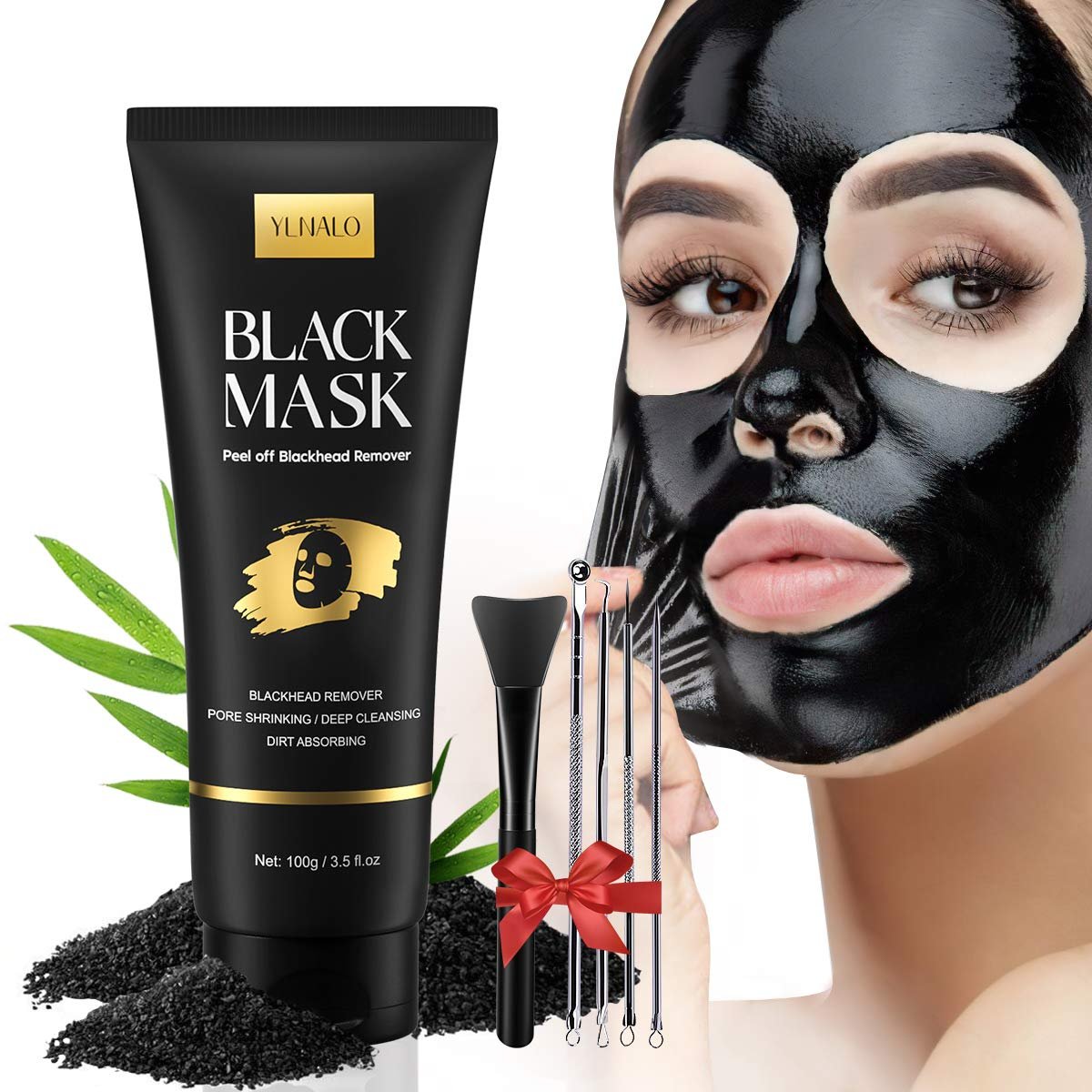
- Peel-off masks: Lift away surface debris.
Masks usually stay on for 10–20 minutes. Then you wash or peel them off.
What Is A Face Peel?
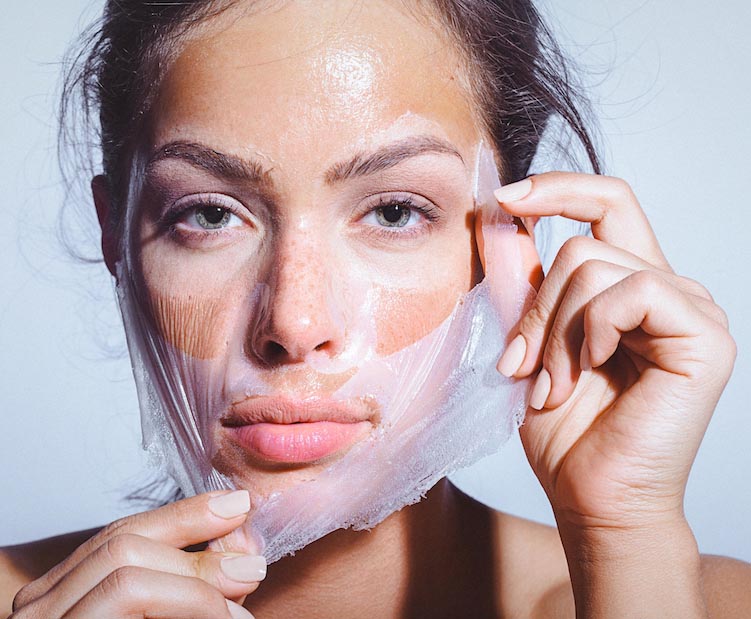
A face peel is a treatment that uses acids or enzymes to remove the top layer of skin. This reveals fresher skin underneath. Peels can be mild or strong, depending on the ingredients.
There are two main types:
- Chemical peels: Use acids like glycolic, lactic, or salicylic.
- Enzyme peels: Use fruit enzymes (like papaya or pineapple) to gently exfoliate.
Peels help with:
- Reducing fine lines
- Fading dark spots
- Smoothing rough texture
- Clearing acne
Some peels are done at home; others require a dermatologist.

Face Mask Vs Face Peel: Core Differences
Choosing the right product means understanding how masks and peels work. Here’s a simple comparison:
| Feature | Face Mask | Face Peel |
|---|---|---|
| Main Action | Hydrates, cleans, soothes | Removes dead skin, improves texture |
| Application | Apply, leave on, rinse or peel off | Apply, wait, rinse or neutralize |
| Frequency | 1–3 times per week | 1–2 times per month |
| Skin Recovery | No downtime | May cause redness, peeling |
| Best For | Hydration, mild cleansing | Exfoliation, deep renewal |
Main Action
Application
Frequency
Skin Recovery
Best For
Which Is Right For Your Skin Type?
Your skin type matters when choosing between a mask or a peel. Let’s look at each type:
| Skin Type | Recommended Treatment | Why |
|---|---|---|
| Dry | Hydrating mask | Adds moisture, gentle on skin |
| Oily | Clay mask or mild peel | Removes oil, unclogs pores |
| Sensitive | Soothing mask | Calms irritation, avoids harsh acids |
| Combination | Targeted masks, gentle peel | Treats dry and oily areas |
| Mature | Anti-aging mask, chemical peel | Boosts cell turnover, reduces lines |
Dry
Oily
Sensitive
Combination
Mature
Benefits And Risks
Both face masks and peels offer unique benefits, but they also have risks.
Face Mask Benefits
- Easy to use at home
- No downtime
- Soothes skin after sun or stress
- Affordable and available everywhere
Face Peel Benefits
- Deep exfoliation
- Brightens complexion
- Improves acne and scars
- Boosts collagen (with deeper peels)
Risks
Face masks are usually safe, but some can cause allergic reactions or irritation. Always check the ingredients if you have allergies.
Face peels can cause redness, peeling, or even burns if used incorrectly. Strong peels are best done by a professional.
Pro tip: Never use a strong peel right after sun exposure. This can increase skin damage.
When To Use Each Treatment
Timing matters for skincare. Use masks when you want a quick refresh or extra moisture. Masks are great before big events, after travel, or when your skin feels dull.
Face peels are best when you want real change—like reducing acne scars or age spots. But don’t overuse them. Peels work slowly, so give your skin time to recover.
A non-obvious insight: Many people don’t realize you can combine both treatments, but not on the same day. For example, use a peel one week and a hydrating mask the next. This keeps skin balanced.

How To Choose Quality Products
Not all masks and peels are created equal. Look for these signs of quality:
- Simple ingredient list: Fewer chemicals, more natural extracts.
- Clear instructions: Avoid products without detailed usage info.
- Patch test: Always test a small area first.
A mistake beginners often make is buying strong peels for home use. Start with mild products and move up as your skin adapts.
Real-world Examples And Data
A 2023 survey found that 70% of people use face masks at least once per week, while only 18% use face peels monthly. Masks are more popular because they’re gentler and easier to use.
For acne-prone skin, a study showed that regular use of salicylic acid peels reduced breakouts by 40% in two months. But improper use led to dryness and irritation.
If you want more science-backed information, check out American Academy of Dermatology.
Tips For Best Results
- Clean skin first: Always wash your face before using any mask or peel.
- Follow instructions: Don’t leave products on longer than recommended.
- Moisturize after: Both treatments can leave skin dry.
- Avoid sun: After a peel, stay out of the sun for 24–48 hours.
- Don’t overuse: Too many masks or peels can damage skin.
A second non-obvious tip: If you wear makeup, a peel can help your foundation look smoother by removing dead skin cells. But wait at least 24 hours before applying makeup after a peel.
Frequently Asked Questions
What’s The Main Difference Between A Face Mask And A Face Peel?
Face masks hydrate, soothe, or clean the skin, while face peels exfoliate and remove dead skin. Masks are usually milder and for regular use; peels are stronger and used less often.
Can I Use A Face Mask And A Face Peel Together?
Yes, but not on the same day. Use a peel first, then a mask a few days later to hydrate and calm the skin.
Are Peels Safe For Sensitive Skin?
Gentle enzyme peels can work for sensitive skin, but avoid strong chemical peels. Always do a patch test before full application.
How Often Should I Use Masks Or Peels?
Most people use masks 1–3 times per week. Peels are best once a month unless the product is very mild.
What Should I Do If I Experience Irritation After A Peel?
Stop using the product immediately. Apply a gentle moisturizer and avoid sun exposure. If irritation persists, see a dermatologist.
Making the right choice between a face mask and a face peel depends on your skin goals and type. Both treatments can help, but understanding their strengths and risks is key. Start slow, listen to your skin, and enjoy clearer, healthier skin with the right routine.