Jump To Section
- Why Exfoliating The Scalp Matters
- Types Of Scalp Exfoliation
- How To Exfoliate Your Scalp Step By Step
- How Often Should You Exfoliate?
- Best Ingredients For Scalp Exfoliation
- Diy Scalp Scrub Recipe
- Common Mistakes To Avoid
- Signs Your Scalp Needs Exfoliation
- Benefits For Hair Regrowth
- When To See A Dermatologist
- Frequently Asked Questions
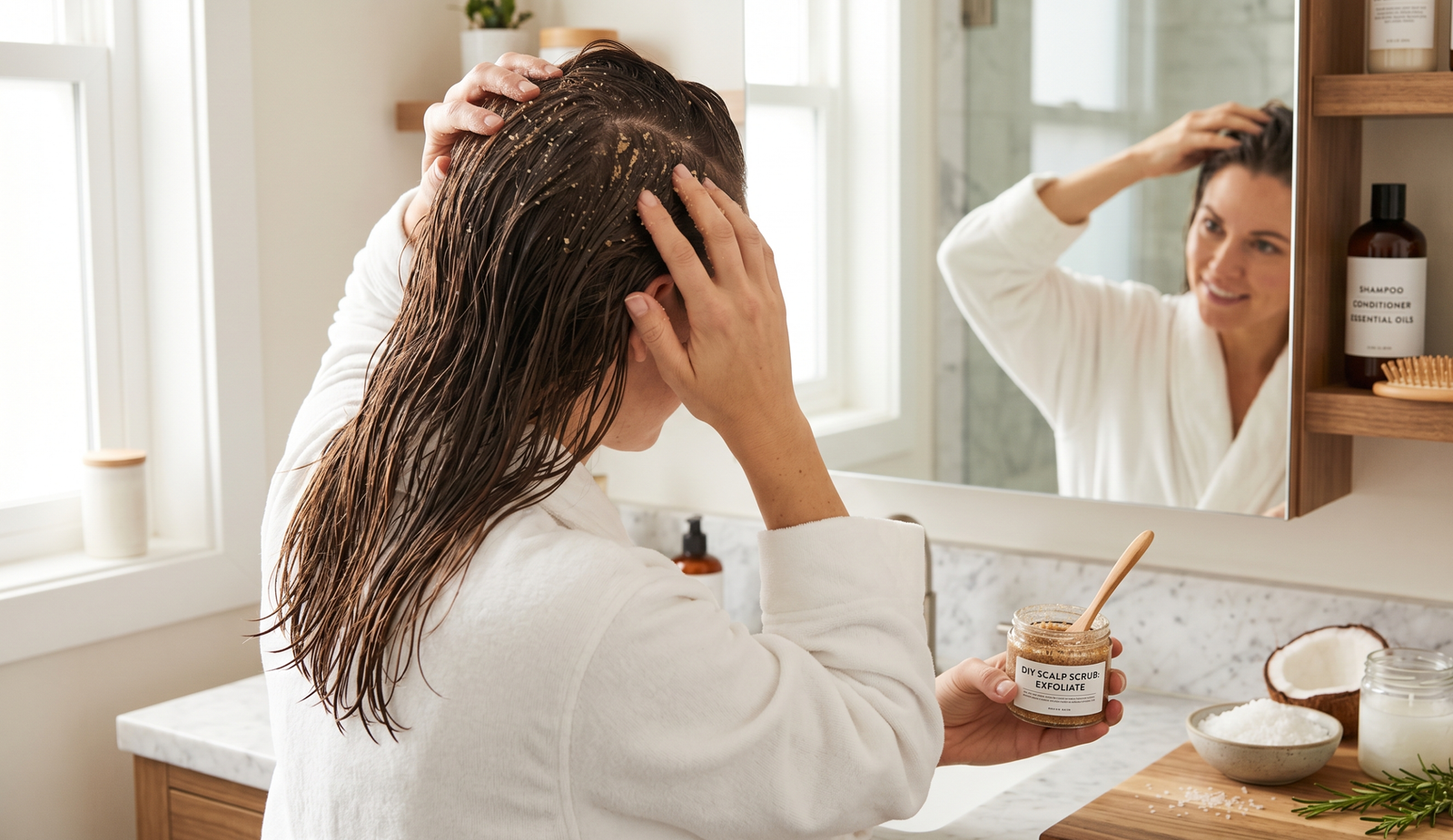
Healthy hair starts with a healthy scalp. Many people focus only on shampoos and conditioners but forget about the skin under their hair. If your scalp is not clean or has buildup, it can block hair follicles and slow hair growth.
Exfoliating your scalp can make a big difference. It helps remove dead skin, extra oil, and product residue. This creates a better environment for new hair to grow. Let’s explore how to exfoliate your scalp for stronger, healthier hair regrowth.
Why Exfoliating The Scalp Matters
Exfoliating is not just for your face or body. Your scalp also collects dead skin, sweat, oil, and styling products. Over time, these can block pores and cause itchiness, dandruff, or even hair loss. A clean scalp allows hair follicles to breathe and encourages hair to grow.
Research shows that scalp exfoliation can increase hair density and reduce hair thinning. For example, a Japanese study found that regular scalp massage and exfoliation improved hair thickness in just 24 weeks.
Types Of Scalp Exfoliation
You can exfoliate your scalp in two main ways:
| Type | How It Works | Who Should Use |
|---|---|---|
| Physical Exfoliation | Uses scrubs or brushes to remove flakes | Most hair types, not sensitive scalps |
| Chemical Exfoliation | Uses acids or enzymes to dissolve dead skin | Oily or flaky scalps, people with dandruff |
Physical Exfoliation
Chemical Exfoliation
Physical exfoliation feels like a gentle massage, but be careful not to press too hard. Chemical exfoliators, like those with salicylic acid or glycolic acid, are better for deep cleaning but may irritate sensitive skin.
How To Exfoliate Your Scalp Step By Step
Follow these steps for safe and effective scalp exfoliation:
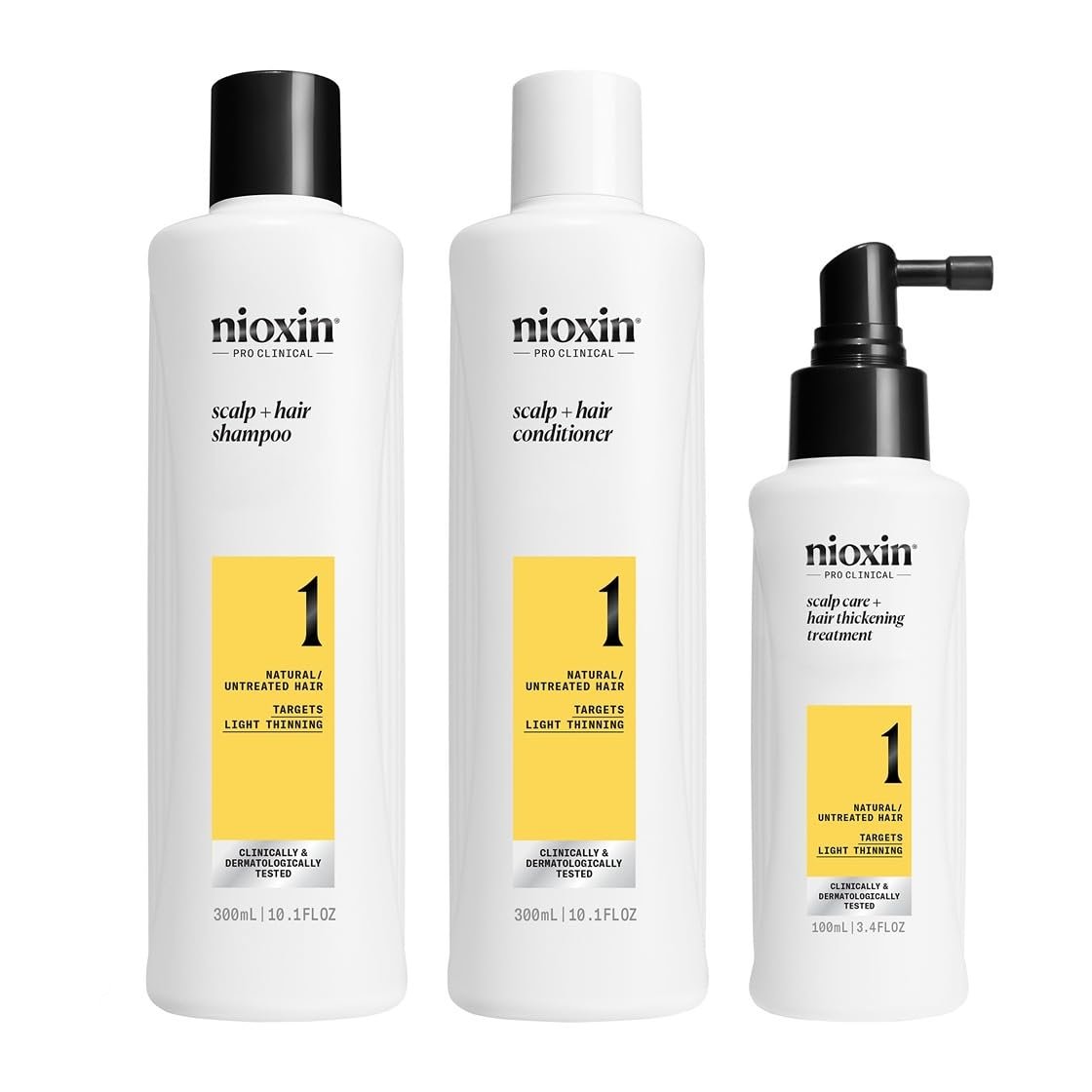
- Choose the right exfoliator. Pick a product that matches your scalp type. For sensitive scalps, avoid harsh scrubs.
- Detangle your hair. Brush out knots before you start. This makes the process easier and more comfortable.
- Apply the exfoliator. Use your fingers or a scalp brush. Focus on the roots and areas with buildup.
- Massage gently. Move your fingers in small circles for 3-5 minutes. This boosts blood flow and helps loosen debris.
- Rinse thoroughly. Wash out all the exfoliator with warm water. Follow with a gentle shampoo and conditioner.
- Dry and style. Pat your hair with a towel. Avoid heat styling right after exfoliation.
How Often Should You Exfoliate?
Your scalp needs balance. Exfoliating too often can dry out the skin, while too little may not clear buildup.
| Scalp Type | Recommended Frequency |
|---|---|
| Oily/Flaky | Once a week |
| Normal | Every 2 weeks |
| Sensitive | Once a month |
Oily/Flaky
Normal
Sensitive
If you notice redness or irritation, reduce how often you exfoliate.
Best Ingredients For Scalp Exfoliation
Many products claim to exfoliate, but some ingredients work better than others. Look for:
- Salicylic acid: Removes oil and unclogs pores
- Glycolic acid: Dissolves dead skin cells
- Charcoal: Absorbs toxins and cleans deeply
- Tea tree oil: Fights bacteria and soothes itchiness
- Sugar or salt: Provides gentle scrubbing action
Some people use natural remedies, like brown sugar mixed with coconut oil. But always patch-test new ingredients to avoid reactions.
Diy Scalp Scrub Recipe
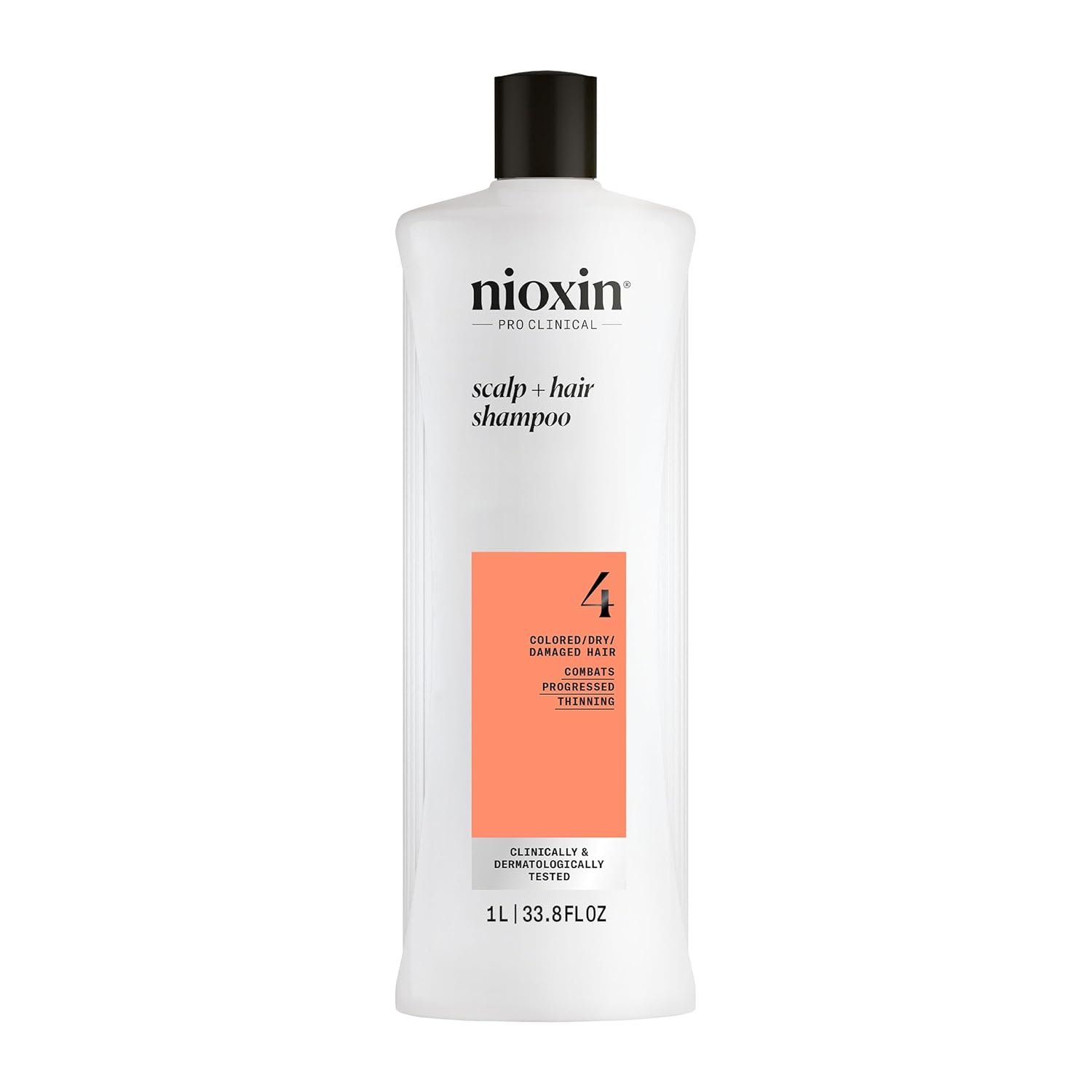
Making your own scalp scrub is simple and cost-effective. Here’s an easy recipe:
Ingredients:
- 2 tablespoons brown sugar
- 1 tablespoon coconut oil
- 3 drops tea tree oil
Instructions:
- Mix all ingredients in a small bowl.
- Part your hair and apply the scrub to your scalp.
- Massage gently for 3-4 minutes.
- Rinse out with warm water and shampoo.
This scrub is gentle enough for most people and can help clear up mild dandruff. Remember not to use DIY scrubs if you have open cuts or scalp conditions.
Common Mistakes To Avoid
Beginners often make simple mistakes that can damage the scalp or slow hair regrowth:
- Scrubbing too hard: This can cause micro-tears and inflammation.
- Using the wrong product: Harsh chemicals can strip natural oils.
- Exfoliating too often: Leads to dryness, flaking, or increased sensitivity.
- Skipping conditioner: After exfoliation, your scalp needs moisture.
- Ignoring signs of irritation: Redness or burning means you should stop and consult a dermatologist.
A less obvious mistake is forgetting to clean scalp brushes or tools. Dirty tools can transfer bacteria and cause infections.
Signs Your Scalp Needs Exfoliation
Not sure if you need to exfoliate? Look for these signs:
- Flakes or dandruff
- Oily roots after washing
- Itchy or tight scalp
- Slow hair growth
- Product buildup on hair
If you notice these, it’s a good idea to start a regular scalp exfoliation routine.
Benefits For Hair Regrowth
Exfoliating your scalp does more than just clean your skin. It can:
- Unclog hair follicles so new hair can grow
- Improve blood flow to the scalp, feeding hair roots
- Reduce hair thinning by removing blockages
- Balance oil production, preventing greasy or dry patches
With regular care, many people see less hair fall and thicker, stronger hair over time.
When To See A Dermatologist
If you have scalp conditions like psoriasis, eczema, or severe dandruff, talk to a specialist before exfoliating. Some treatments may interact with medications or worsen skin issues. A professional can recommend products and routines that fit your needs.
Frequently Asked Questions
How Do I Know If My Scalp Exfoliator Is Working?
You should feel your scalp is cleaner, less itchy, and see fewer flakes. Hair may also feel lighter and look healthier after a few weeks.
Can Scalp Exfoliation Cause Hair Loss?
No, gentle exfoliation does not cause hair loss. However, scrubbing too hard or using harsh products can damage hair and scalp. Be gentle and follow instructions.
Are There Any Risks To Scalp Exfoliation?
Risks include irritation, redness, or allergic reactions. Always patch-test new products and avoid exfoliating broken or infected skin.
What Is The Best Time To Exfoliate My Scalp?
The best time is before shampooing, when your scalp is dry or slightly damp. This lets the exfoliator remove buildup more effectively.
Can I Use A Face Scrub On My Scalp?
Not recommended. Face scrubs are often too harsh or have ingredients that are not safe for the scalp. Choose products made for scalp care.
Caring for your scalp is a smart way to support hair regrowth and overall hair health. Exfoliation, done right, can transform how your scalp feels and how your hair grows. For more on healthy hair routines, you can visit the American Academy of Dermatology for guidance. Remember, patience and consistency are key. Give your scalp the care it deserves, and you may be surprised by the results.