Jump To Section
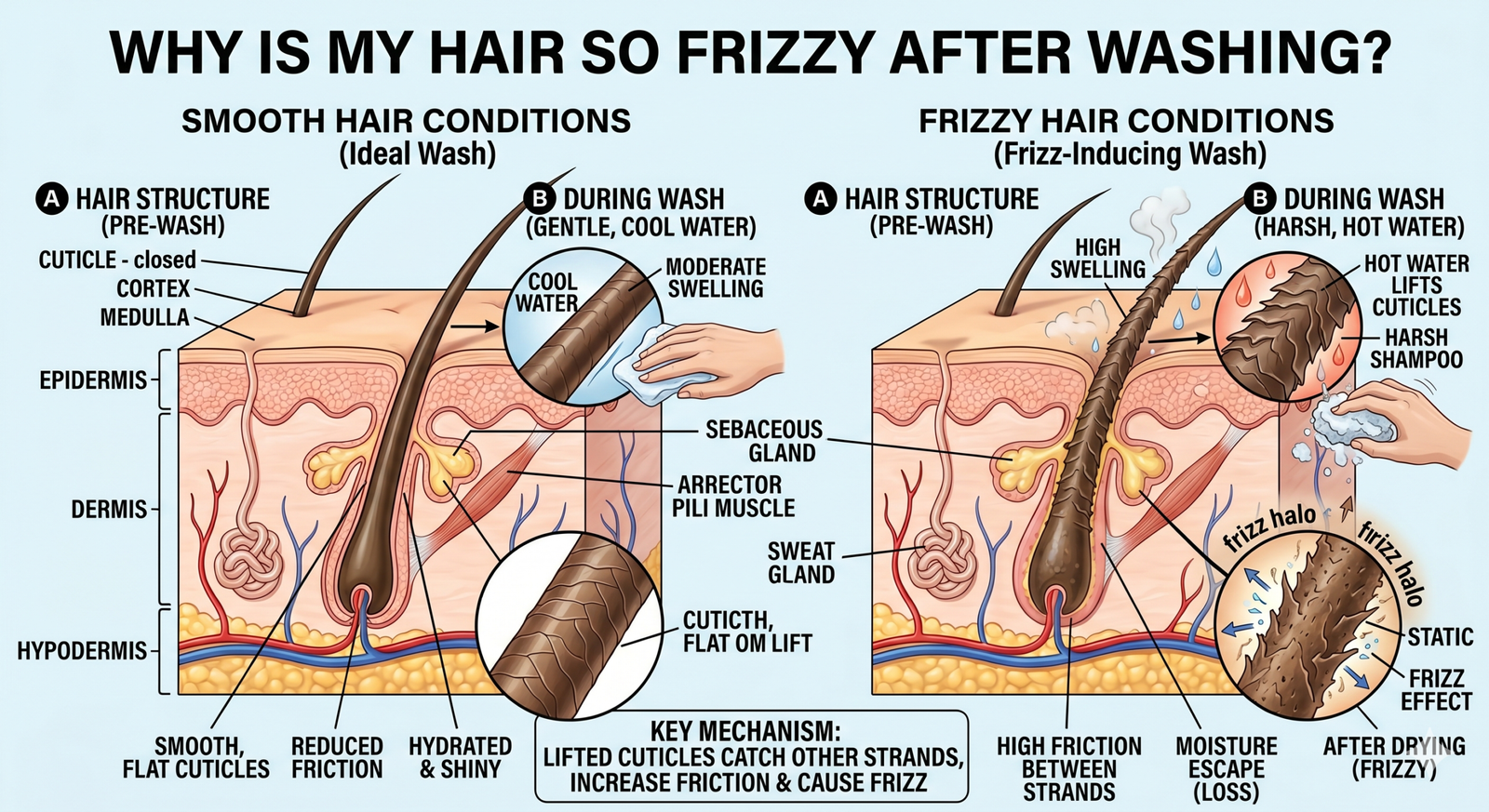
Many people look in the mirror after a shower and wonder, “Why is my hair so frizzy after washing? ” Frizzy hair can feel discouraging, especially when you expect smooth, clean strands. While some believe frizz is just part of their hair type, the truth is, frizz can often be managed or even prevented with the right care.
Understanding why your hair reacts this way after washing is the first step to healthier, shinier, and more manageable locks.
What Causes Frizzy Hair After Washing?
There isn’t one single reason for frizzy hair after washing. In fact, several factors can work together to make your strands puff up, lose shape, or look dry. Let’s explore the most common causes.
Loss Of Natural Oils
Every time you wash your hair, natural oils called sebum are removed from the scalp and hair shaft. These oils help seal the cuticle (the outer layer of hair), keeping moisture locked in. When too many oils are stripped away, the cuticle lifts up, letting moisture escape and causing frizz.
Hot Water
Washing with hot water feels relaxing, but it’s tough on your hair. Hot water opens the cuticle, making it easier for water and oils to escape. The more open your cuticle, the more likely your hair will frizz as it dries.
Harsh Shampoos
Many shampoos use strong detergents like sulfates to create a foamy lather. While these clean the scalp, they can also strip away too much oil and dry out hair strands. Dry hair is more prone to frizz, especially after a wash.
Overwashing
Washing hair too often removes the protective oil layer before your scalp can replenish it. If you wash daily or multiple times a day, you may notice your hair feeling drier and frizzier after every wash.
Humidity And Weather
Moisture in the air (humidity) enters through lifted or damaged cuticles. This causes hair strands to swell and frizz. If you wash hair and then go outside on a humid day, frizz can appear almost instantly.
The Science Behind Frizz
Frizz happens when the cuticle layer of your hair is raised instead of flat. When the cuticle is lifted, water from the air can get inside the strand, causing it to swell unevenly. Some parts of the hair absorb more water than others, so strands twist and bend in different directions.
Here’s a comparison of how the cuticle reacts to different washing methods:
| Washing Method | Cuticle Condition | Frizz Level |
|---|---|---|
| Hot water, harsh shampoo | Cuticle raised, dry | High |
| Lukewarm water, gentle shampoo | Cuticle smooth, moisturized | Low |
| Cold water rinse, conditioner | Cuticle sealed, glossy | Very low |
Hot water, harsh shampoo
Lukewarm water, gentle shampoo
Cold water rinse, conditioner
Keeping the cuticle smooth and sealed is key for frizz control.
Common Washing Mistakes That Lead To Frizz
Many people make the same mistakes without realizing they are making frizz worse.
- Scrubbing hair harshly: Rubbing shampoo into your hair, not just the scalp, raises the cuticle and causes breakage.
- Skipping conditioner: Conditioner helps smooth the cuticle and adds moisture back into the hair.
- Using rough towels: Rubbing hair dry with a rough towel lifts the cuticle and creates static.
- Blow-drying wet hair: Blasting high heat at soaking wet hair makes the cuticle rough and leads to instant frizz.
Here’s a quick table comparing drying methods and their effects:
| Drying Method | Effect on Frizz |
|---|---|
| Air drying gently | Minimal frizz |
| Rough towel drying | High frizz |
| Microfiber towel | Low frizz |
| Blow-drying on high heat | Moderate to high frizz |
Air drying gently
Rough towel drying
Microfiber towel
Blow-drying on high heat
Switching your drying method can make a noticeable difference.
How To Reduce Frizz After Washing
If you’re tired of fighting frizz, try these practical steps.
Use A Gentle Shampoo
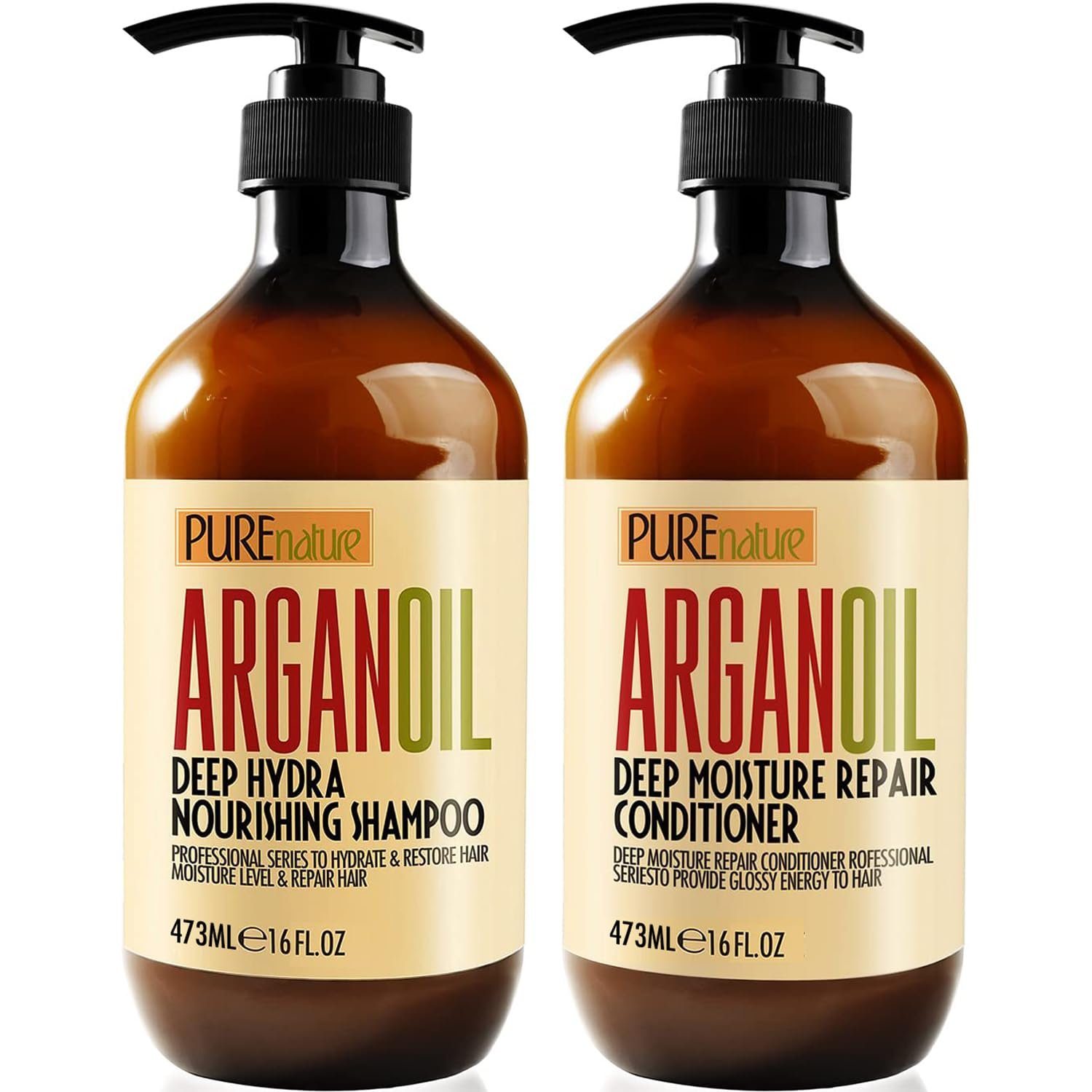
Look for sulfate-free or moisturizing shampoos. These clean without stripping all your natural oils. If your scalp is oily, focus shampoo just on your scalp and let suds run down your hair. (This is especially important if you are looking for the Best Sulfate Free Shampoo For Dry Frizzy Hair.)
Condition Every Time
Never skip conditioner. Focus on mid-lengths and ends, where hair is driest. For very frizzy hair, try a leave-in conditioner after your shower.
Rinse With Cool Water
Finish your wash with a quick cool water rinse. This helps seal the cuticle, locking in moisture and shine.
Dry With Care
Use a microfiber towel or a soft cotton T-shirt to gently squeeze water from your hair. Avoid twisting or rubbing. Let hair air-dry when possible, or use a blow-dryer with a diffuser on the lowest heat setting.
Apply Anti-frizz Products
Serums, creams, or oils can help smooth hair and reduce frizz. Apply a small amount to damp hair after washing.
Protect Hair From Humidity
If you live in a humid area, use anti-humidity sprays or serums. These coat the hair and block moisture from entering the strand.
Non-obvious Frizz Triggers
Most people focus on shampoo and conditioner, but two overlooked factors are water quality and hair tools.
- Hard water can leave minerals on your hair, making it rough and prone to frizz. If you notice a white film on your showerhead, you probably have hard water. Using a shower filter can help.
- Old brushes or combs with rough or broken teeth can damage the cuticle. Switch to a wide-tooth comb or a brush with smooth, rounded bristles.
Another tip: If you color or bleach your hair, your cuticle is already more open. Deep condition at least once a week to help keep frizz under control.
When To See A Professional
If you’ve tried all the tips above and your hair is still extremely frizzy, there may be another cause. Sometimes health problems like thyroid issues or nutrient deficiencies can change hair texture. Talk to your doctor or a dermatologist if you notice sudden or severe changes.
Frequently Asked Questions
Why Does My Hair Get Frizzy Only After Washing, Not Before?
Washing removes oils and opens the cuticle, making it easier for moisture in the air to enter your hair. This is why frizz appears right after your shower.
How Often Should I Wash Frizzy Hair?
Most people with frizzy hair do best with washing 2-3 times per week. This helps keep natural oils balanced and prevents over-drying.
Are Certain Hair Types More Likely To Frizz?
Yes, curly and wavy hair is more prone to frizz because the cuticle is naturally more open and moisture can enter easily.
Can I Permanently Fix Frizzy Hair?
You can greatly reduce frizz with the right routine, but you can’t change your hair type. Keratin treatments and other salon services may help, but results are not permanent.
Where Can I Learn More About Hair Science?
Check out this in-depth resource from the Human Hair Growth page on Wikipedia for more about how hair works.
Frizzy hair after washing is common, but it’s not something you have to live with. By changing your washing, drying, and styling habits, you can keep your hair smoother and healthier every day. Remember, small adjustments make a big difference, and your hair will thank you for it.