Jump To Section
- What Are Split Ends?
- How Does Deep Conditioning Work?
- Can Deep Conditioning Fix Split Ends?
- What Actually Fixes Split Ends?
- How Deep Conditioning Helps Hair
- Common Mistakes When Treating Split Ends
- Tips To Prevent Split Ends
- Real-world Example
- Comparing Deep Conditioning With Other Treatments
- Frequently Asked Questions
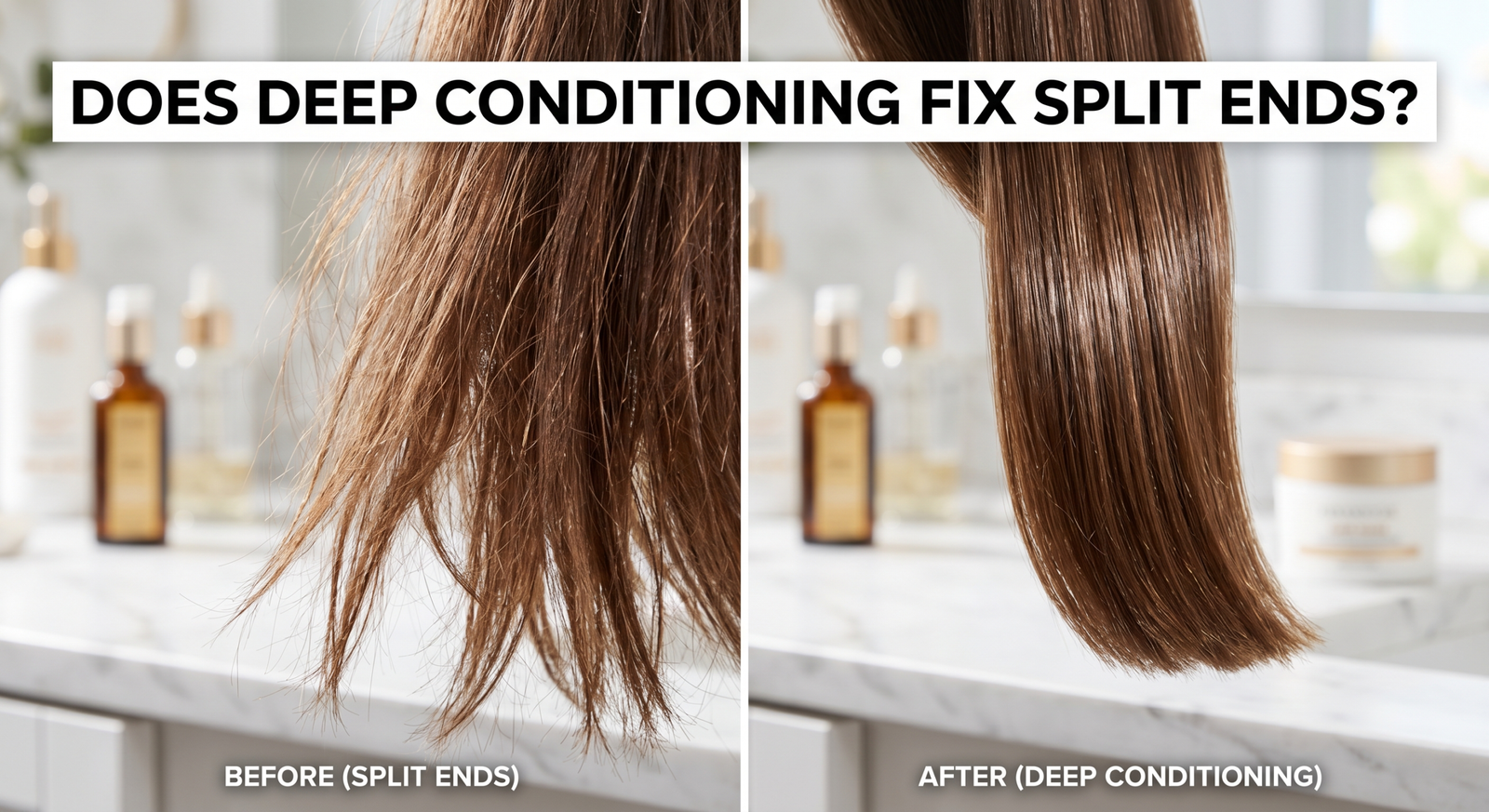
Many people want shiny, healthy hair, but split ends often get in the way. You might see them as thin, frayed tips on your hair. They make your hair look dry and hard to manage. A common question is, can deep conditioning actually fix split ends? The answer is more complex than yes or no. Let’s look at what deep conditioning really does, how split ends form, and what you can do to keep your hair healthy and beautiful.
What Are Split Ends?
Split ends, or trichoptilosis, happen when the hair shaft breaks or separates at the tip. This usually starts from regular wear and tear—think brushing, heat styling, or sun exposure. Over time, the protective outer layer (cuticle) breaks down, exposing the inner layers. Once the hair splits, the damage can travel up the shaft if not addressed.
You might notice:
- Frayed or feathered tips
- Rough texture
- Hair that tangles easily
It’s not just about looks. Split ends make your hair weaker and more likely to break.
How Does Deep Conditioning Work?
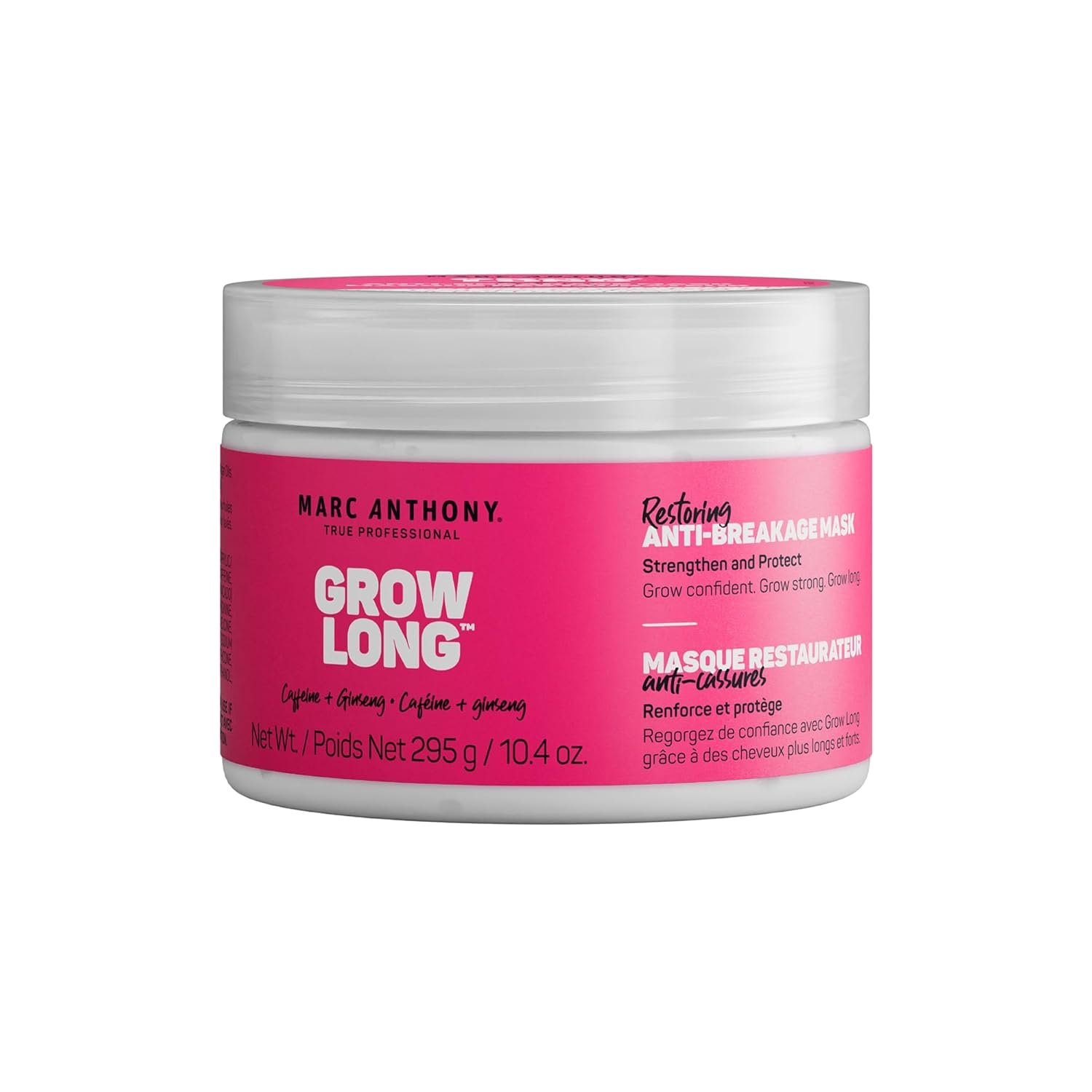
Deep conditioning involves using rich, moisturizing treatments that go deeper than a regular conditioner. These products are thicker, stay on the hair longer, and are often packed with proteins, oils, and vitamins. The main goals are:
- Moisturize dry strands
- Strengthen hair
- Reduce frizz
A typical deep conditioner sits on your hair for 10–30 minutes. Some people use heat to help the treatment sink in. The result is smoother, softer, and more manageable hair.
Can Deep Conditioning Fix Split Ends?
Here’s the real answer: Deep conditioning cannot truly repair split ends. Once the hair is split, it cannot fuse back together permanently. Hair is not alive, so it cannot heal itself like skin. Deep conditioners can help in other ways, though.
| Action | Effect on Split Ends |
|---|---|
| Moisturizing | Reduces dryness, makes splits less visible |
| Sealing | Temporary smoothness, but does not bond hair back |
| Strengthening | Helps prevent more splits, but cannot repair existing ones |
Moisturizing
Sealing
Strengthening
Deep conditioning can make split ends look better. It coats the hair, making rough tips feel smoother. This is only a temporary fix. After a few washes, the effect fades, and the split ends return.
What Actually Fixes Split Ends?
The only way to truly get rid of split ends is to cut them off. Trimming removes the broken tips and prevents splits from moving higher. Most stylists recommend a trim every 6–8 weeks.
You might see products that say “repairs split ends. ” These often contain silicones or bonding agents. They can glue the split parts together for a short time, but the split is still there.
| Method | Effectiveness | How Long It Lasts |
|---|---|---|
| Deep Conditioning | Makes splits less noticeable | 1–2 washes |
| Silicone Serums | Temporary binding and shine | Until next wash |
| Trimming | Removes split ends completely | Permanent (until more splits form) |
Deep Conditioning
Silicone Serums
Trimming
How Deep Conditioning Helps Hair
While it doesn’t fix split ends, deep conditioning is still important for healthy hair. Here’s how it helps:
1. Prevents New Split Ends
Well-moisturized hair is less likely to break. Deep conditioners add slip, so hair is easier to detangle and style.
2. Improves Hair Strength
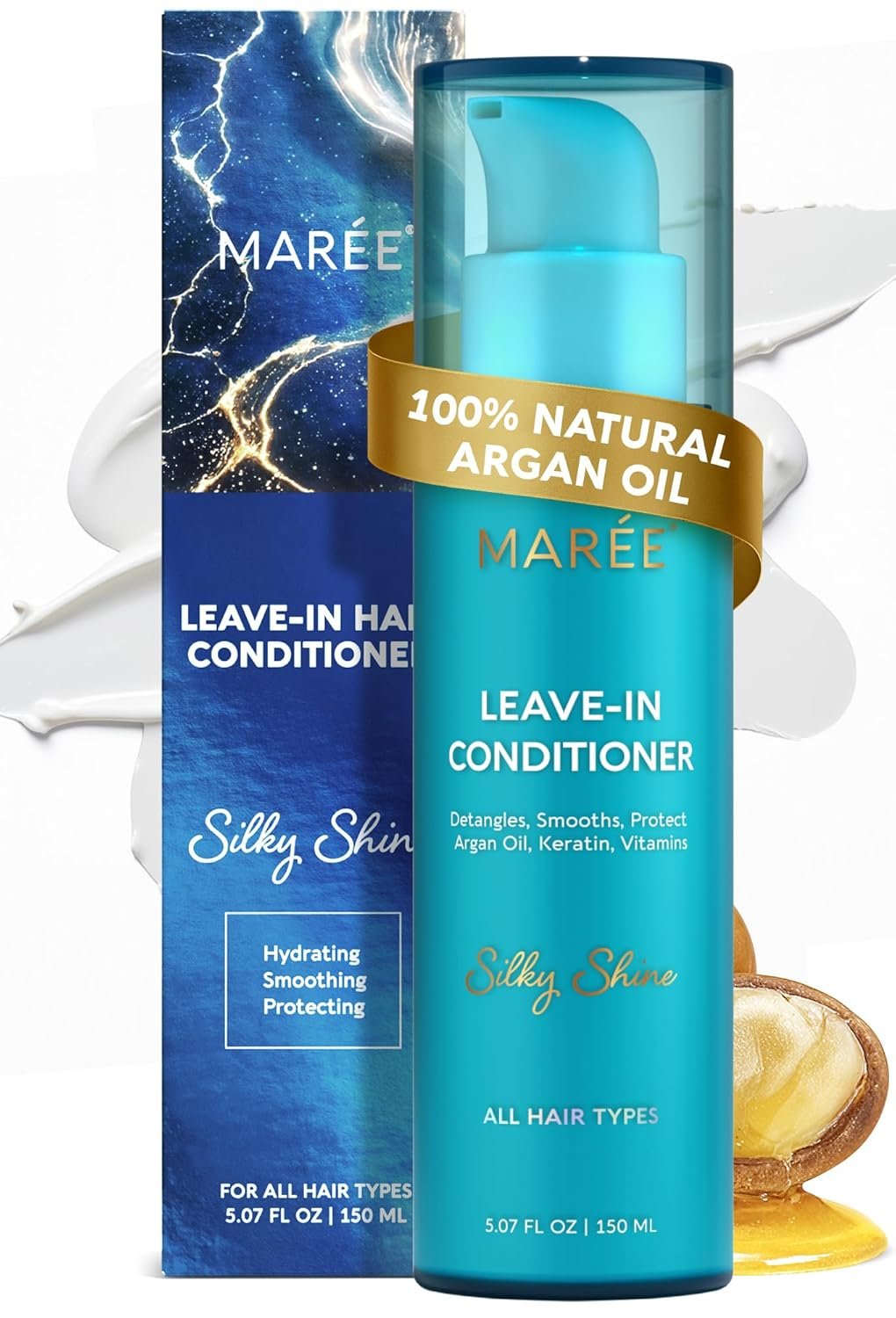
Many deep conditioners have proteins like keratin. These fill in tiny holes in the hair shaft, making it stronger overall.
3. Adds Shine And Smoothness
Oils and silicones in deep conditioners coat the hair, reflecting light and reducing frizz.
4. Protects From Damage
Some formulas create a barrier against heat and pollution.
A surprising fact: if your hair is already very damaged, deep conditioning can only do so much. Using protein treatments too often can actually make hair brittle, not stronger. Moderation is key.
Common Mistakes When Treating Split Ends
Many people make these errors:
- Skipping trims: Trying to “save length” by avoiding haircuts lets splits travel higher.
- Overusing deep conditioners: Using them too often can cause buildup, making hair heavy and dull.
- Too much protein: Protein-rich masks can make hair stiff and prone to breakage if used every wash.
- Ignoring gentle handling: Even the best treatment can’t help if you rip through knots or use hot tools daily.
Tips To Prevent Split Ends
Stopping split ends before they start is smarter than trying to fix them. Here’s how you can protect your hair:
- Trim hair regularly (every 6–8 weeks)
- Use a wide-tooth comb on wet hair
- Limit heat styling and always use a heat protectant
- Sleep on a silk pillowcase to reduce friction
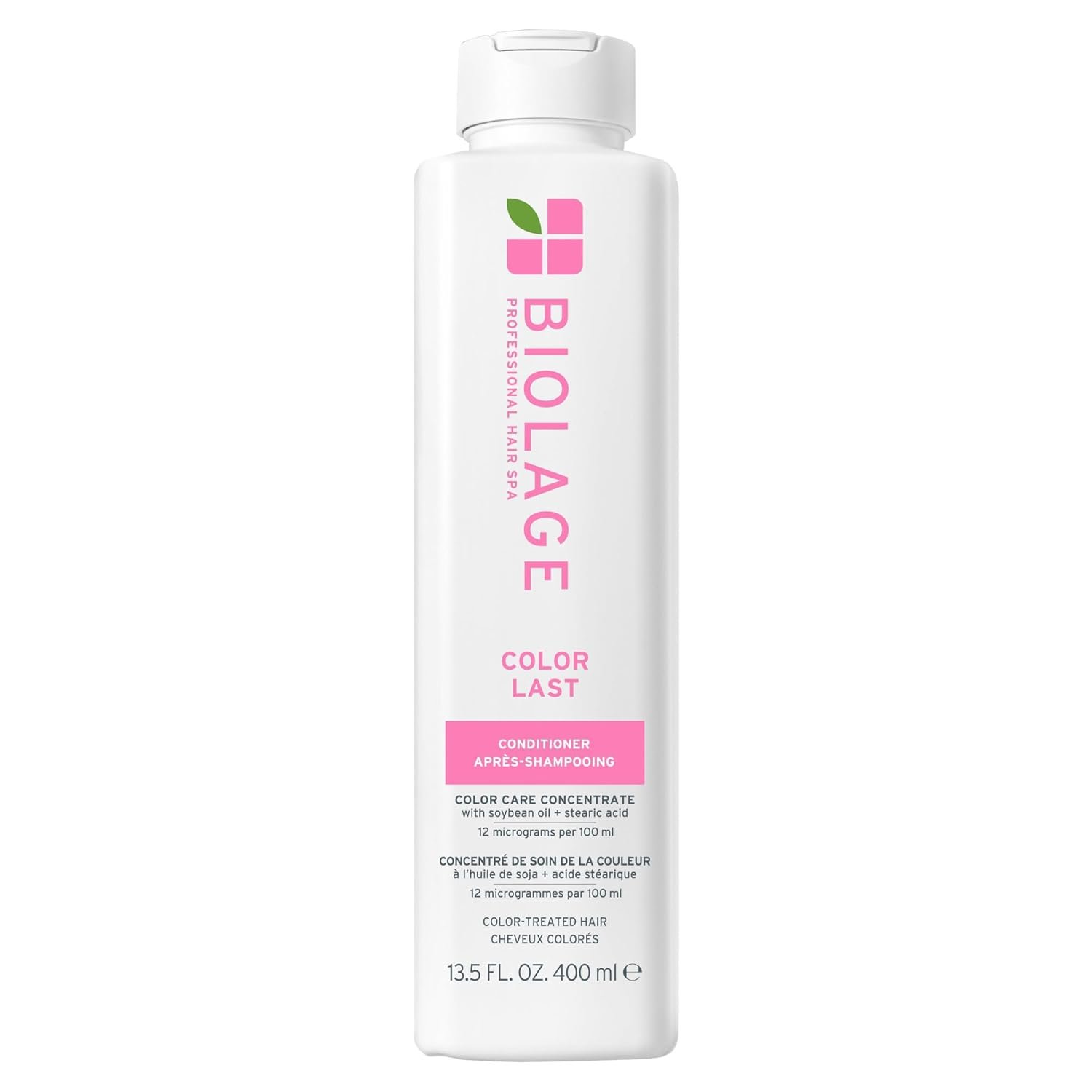
- Apply leave-in conditioners or oils to the ends
- Protect hair from sun and chlorine
A less-known tip: avoid brushing hair when it’s wet unless you use a special detangler or your hair is curly. Wet hair stretches and breaks more easily.
Real-world Example
Maria has long, color-treated hair. She notices her ends feel rough and split, especially after using her flat iron. She starts using a deep conditioner every week. Her hair feels softer, and the ends look better, but after a few weeks, the splits are back.
Finally, her stylist trims the tips, and the problem is gone. Maria keeps deep conditioning, but she now trims her hair every two months and uses less heat. Her hair grows longer and stays healthier.
Comparing Deep Conditioning With Other Treatments
Here’s a quick look at how deep conditioning stacks up against other common methods:
| Treatment | Main Benefit | Best For |
|---|---|---|
| Deep Conditioning | Moisture, smoothness | Dry, frizzy hair |
| Protein Treatment | Strength, repair | Weak, over-processed hair |
| Hair Oils | Shine, slip | Thick, coarse hair |
| Silicone Serums | Instant smoothness | Quick touch-ups |
| Trimming | Removes splits | All hair types |
Deep Conditioning
Protein Treatment
Hair Oils
Silicone Serums
Trimming
Frequently Asked Questions
Can I Glue Split Ends Back Together?
You can use products that “seal” split ends, but this is only a short-term fix. The split comes back after washing. The most effective solution is to trim the ends.
How Often Should I Deep Condition My Hair?
Most people benefit from deep conditioning once a week. If your hair is very fine or oily, use it less often—maybe every two weeks.
Are There Any Natural Remedies For Split Ends?
Oils like coconut or argan can make hair feel softer, but they do not repair splits. They only mask the problem. Regular trims work best.
Does Deep Conditioning Work On All Hair Types?
Yes, but choose the right formula for your hair. Thick, curly hair needs more moisture; fine hair needs lighter products.
Where Can I Find More Information About Split Ends And Hair Care?
You can read more about hair structure and split ends on the Wikipedia: Split End page.
Split ends are a common problem, but knowing the truth helps you make better choices. Deep conditioning cannot fix split ends, but it keeps your hair healthy and beautiful. Regular trims, gentle handling, and smart habits are your best tools for strong, smooth hair.
With the right routine, you can enjoy hair that looks and feels its best every day.