Jump To Section
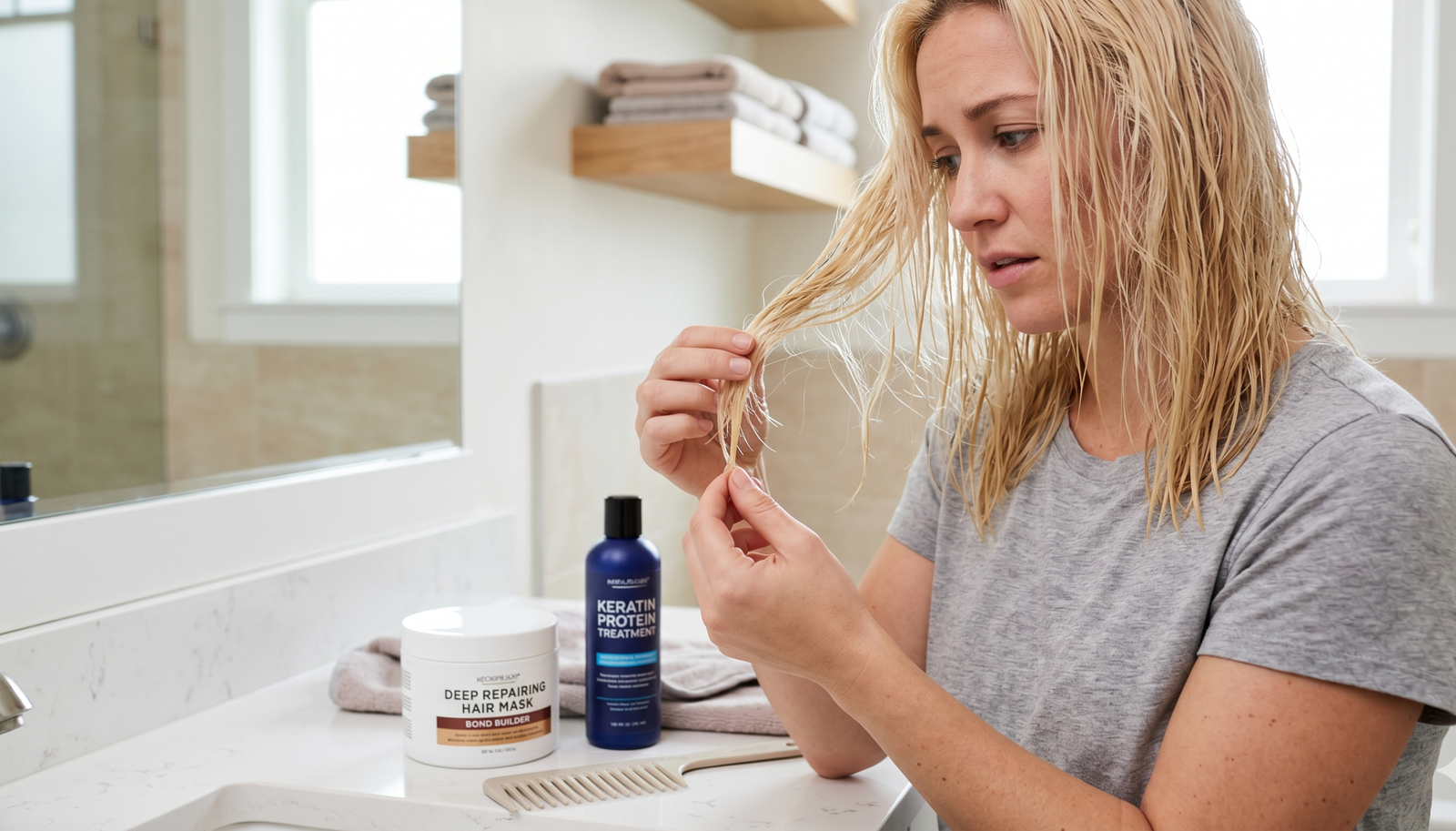
If you’ve ever bleached your hair and noticed it feels gummy, stretchy, or even sticky when wet, you’re not alone. Many people experience this shock after bleaching, but not everyone knows how to fix it. Gummy hair happens when bleach damages the protein structure inside your strands. It can stretch like chewing gum, break easily, or feel like cooked spaghetti. Fixing this problem requires more than a simple conditioner. You need a plan, patience, and the right products. Let’s explore how to save your hair and help it recover its strength and shine.
What Is Gummy Stretchy Hair?
After bleaching, hair can become elastic and fragile. Normally, healthy hair stretches a little and returns to its shape. Damaged hair, however, stretches too much and does not bounce back. This happens because bleach removes keratin and breaks down disulfide bonds, which are critical for hair’s strength. In severe cases, hair might break off when combed or feel sticky even after washing.
Gummy hair is not just a surface problem. It signals deep structural damage. If you ignore it, you risk more breakage, split ends, and even hair loss.
Immediate Steps: What To Do Right Away
When you first notice your hair is gummy, take these actions:
- Stop Bleaching or Coloring – Don’t apply any more chemicals. This makes the damage worse.
- Avoid Heat Styling – No blow dryers, straighteners, or curling irons. Heat breaks weak hair faster.
- Be Gentle – Don’t brush or comb when wet. Pat dry gently with a towel.
- Use a Wide-Tooth Comb – If you must detangle, use a wide-tooth comb and start from the ends, not the roots.
The first 48 hours are critical. Protect your hair from any stress during this time.
How To Fix Gummy Stretchy Hair: Step-by-step Recovery
Restoring hair takes time, but these steps can help you see real improvement.
1. Protein Treatments
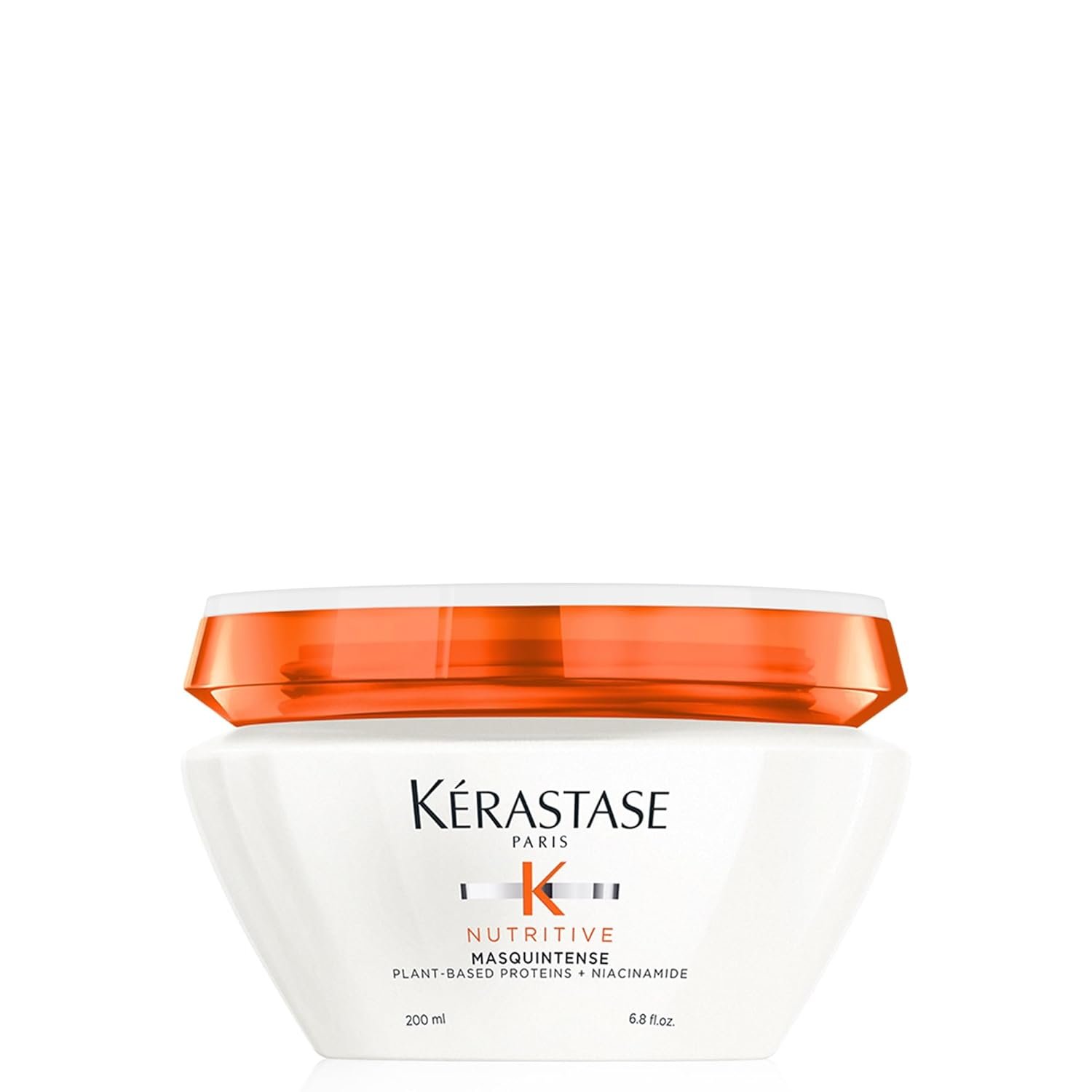
Bleached hair loses protein, which gives it structure. Use a deep protein treatment once a week. Look for products with hydrolyzed keratin, collagen, or wheat protein.
Example: Apply a protein mask after shampooing, leave it for 10-20 minutes, then rinse well. Do not overuse – too much protein can make hair stiff and brittle.
2. Moisture Masks
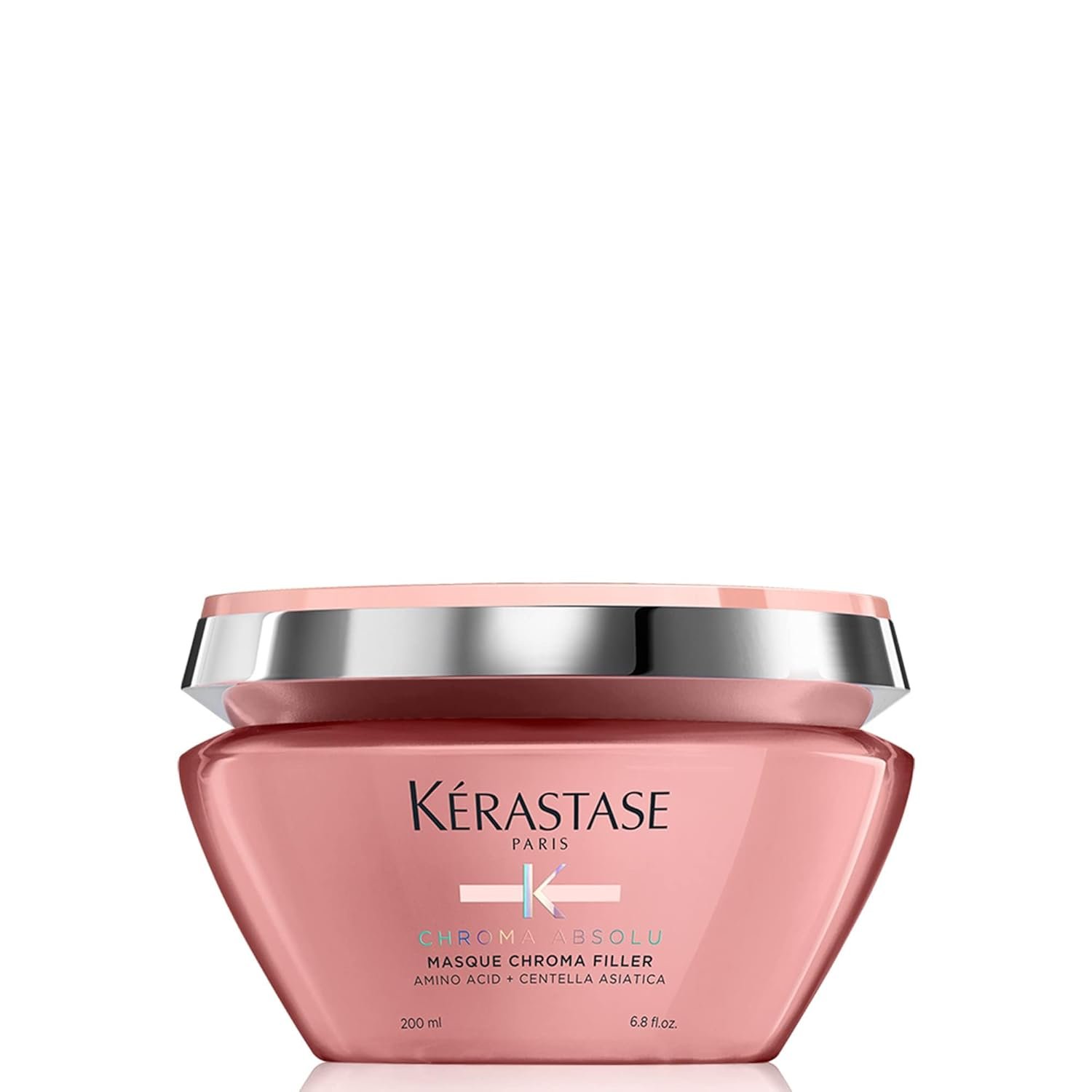
Protein alone is not enough. Damaged hair also needs moisture. Use a hydrating hair mask with argan oil, aloe vera, or glycerin twice per week.
Apply from mid-length to ends. Leave it on for at least 20 minutes, or overnight if your hair is very dry.
3. Bond-building Treatments
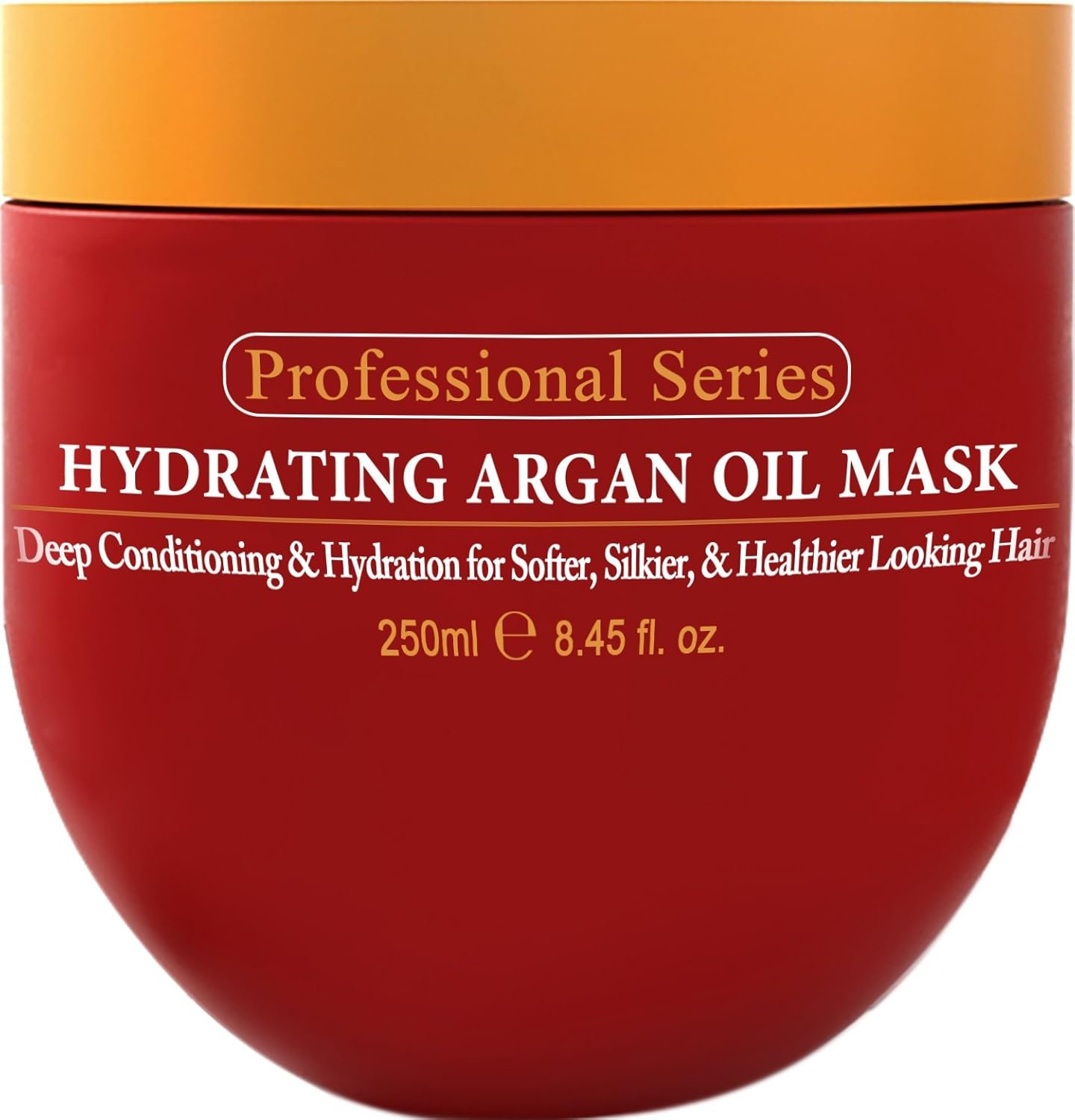
Special products like Olaplex, K18, or similar bond-builders can repair broken bonds inside the hair. These are not regular conditioners. They rebuild the structure that bleach destroys.
Use as directed—usually once a week.
4. Proper Washing Routine
Switch to a sulfate-free shampoo and a rich conditioner. Avoid washing your hair every day. Two to three times per week is enough.
Here’s a quick comparison of product types:
| Product Type | Main Benefit | How Often |
|---|---|---|
| Protein Treatment | Strengthens hair | Once weekly |
| Moisture Mask | Hydrates hair | Twice weekly |
| Bond Builder | Repairs structure | Weekly or as directed |
Protein Treatment
Moisture Mask
Bond Builder
5. Gentle Detangling
Wet hair is extra fragile. Always detangle with care:
- Start with your fingers, then use a wide-tooth comb
- Apply leave-in conditioner to make detangling easier
- Work in small sections
6. Trim Damaged Ends
Sometimes, hair is too damaged to repair. Trimming the worst ends prevents further splitting and makes hair look healthier.
Ask for a small trim—removing just the most damaged parts.
7. Reduce Friction
Sleep on a silk or satin pillowcase. Cotton can pull on hair and cause breakage. Tie your hair in a loose braid or ponytail at night.
8. Protective Styling
Wear loose, protective styles. Avoid tight ponytails or buns that can snap hair.
9. Nutrition Matters
Hair health starts from the inside. Eat plenty of protein-rich foods (eggs, fish, beans) and drink enough water. Deficiency in nutrients like biotin, iron, or zinc can slow recovery.
10. Patience And Consistency
It takes 4-8 weeks to see big changes. Keep up with your routine and don’t give up if you don’t see instant results.
Common Mistakes To Avoid
Many people unknowingly make things worse. Here are errors to avoid:
- Using too much protein without enough moisture (leads to brittle hair)
- Washing hair daily (strips natural oils)
- Ignoring regular trims (damaged ends keep splitting)
- Going back to bleach too soon (hair needs at least 8-12 weeks to recover)
- Using strong heat tools or harsh brushes
How Gummy Hair Feels Vs. Healthy Hair
Here’s a side-by-side look to help you diagnose your hair’s state:
| Feature | Gummy Stretchy Hair | Healthy Hair |
|---|---|---|
| Wet Texture | Sticky, elastic, mushy | Smooth, normal stretch |
| Breakage | Breaks easily, especially when wet | Minimal breakage |
| Dry Feel | Rough, tangled | Soft, manageable |
Wet Texture
Breakage
Dry Feel
When To See A Professional
If you’ve tried everything and your hair still snaps or feels sticky after a month, it’s time to see a professional stylist. They can assess the damage and recommend salon treatments. Sometimes, a big trim is the safest way forward.
Prevention Tips For Next Time
To avoid this problem again:
- Always do a strand test before bleaching all your hair
- Space out chemical treatments by at least 8 weeks
- Use a bond-builder every time you bleach
- Keep up with protein and moisture treatments before and after bleaching
Frequently Asked Questions
What Causes Hair To Become Gummy After Bleaching?
Bleach destroys proteins and bonds inside the hair. If left on too long or used too often, it causes gummy, stretchy strands that break easily.
Can I Fix Gummy Hair At Home?
You can improve your hair with protein treatments, moisture masks, and bond-builders. Severe cases may need help from a stylist.
How Long Does It Take To Repair Gummy Hair?
It often takes 4-8 weeks of regular treatments. Some hair may never fully recover, especially if the damage is extreme.
Should I Cut All My Hair If It’s Stretchy And Gummy?
Not always. Try treatments first, but if hair is snapping off, a trim may be the best option. Only cut what is necessary.
What Products Work Best For Repairing Gummy Hair?
Look for protein masks (with keratin), bond-builders (like Olaplex), and moisture-rich hair masks. Use gentle, sulfate-free shampoos.
Recovering from gummy, stretchy hair can be challenging, but it’s possible with the right steps and patience. Treat your hair with care, avoid harsh chemicals, and focus on rebuilding its strength. If you want more information about protein and hair structure, visit this Wikipedia page about hair. Healthy, beautiful hair takes time, but your effort will pay off.