Jump To Section
- What Causes Straw-like Hair After Washing?
- Common Signs Your Hair Is Too Dry
- How To Fix Straw-like Hair After Washing
- Comparing Shampoo Types
- Water Quality: Hard Vs. Soft Water
- Conditioning Products Comparison
- Two Surprising Insights About Dry Hair
- When To See A Professional
- Frequently Asked Questions
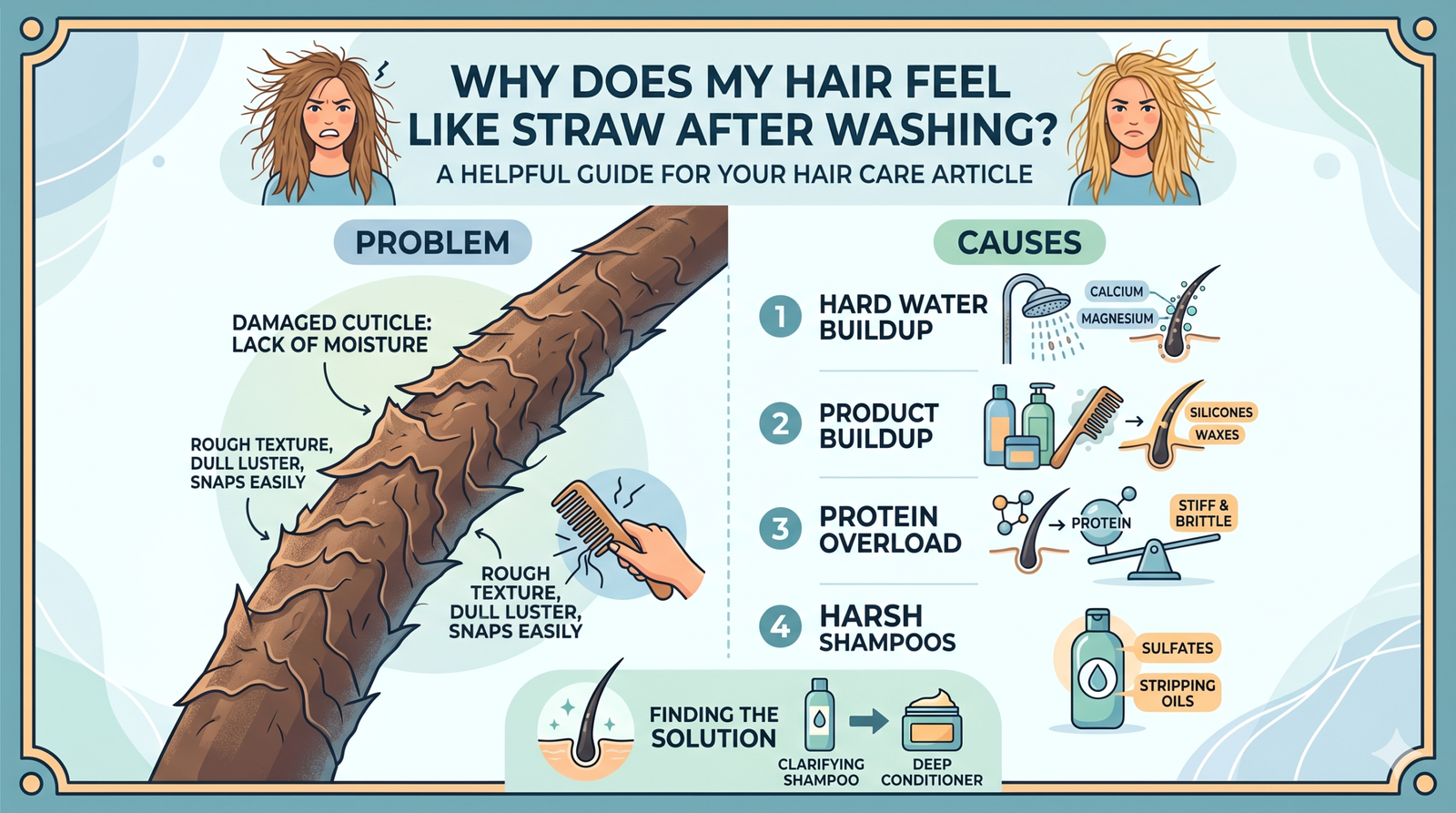
Washing your hair should leave it feeling clean, soft, and refreshed. But sometimes, the result is the opposite—hair that feels like straw: dry, rough, and lifeless. If this happens to you, you’re not alone. Many people notice their hair loses its softness after a wash, and understanding why is the first step to healthy, manageable hair.
What Causes Straw-like Hair After Washing?
Several factors can make your hair feel dry and rough after washing. Each one can affect your hair in a different way:
1. Harsh Shampoos
Many commercial shampoos contain sulfates, strong detergents that strip away not just dirt and oil but also the natural moisture your hair needs. Without enough natural oil, hair feels dry and straw-like.
2. Hard Water
Hard water has a high mineral content, especially calcium and magnesium. These minerals build up on hair, making it stiff and difficult to manage. According to the U.S. Geological Survey, about 85% of American homes have hard water.
3. Overwashing
Washing your hair too often removes essential oils, leaving hair dry. If you wash daily or even twice a day, you may be causing your hair to become rough.
4. Hot Water
Rinsing hair with very hot water can lift the hair cuticle, making it lose moisture. Warm or cool water is gentler and helps keep hair soft.
5. Using The Wrong Conditioner
Some conditioners are too light for dry or damaged hair. Skipping conditioner or choosing one not suited to your hair type leaves hair without the moisture it needs.
6. Chemical Treatments
Coloring, perming, or relaxing hair all break down the hair’s natural structure. Repeated treatments can make hair feel like straw, especially right after washing.
7. Heat Styling
Frequent blow-drying, straightening, or curling damages the cuticle. Damaged cuticles can’t hold moisture, so your hair feels rough.
8. Environmental Stress
Sun, wind, and pollution can all dry out hair. After a wash, these effects can become more obvious.
9. Health And Diet
Poor nutrition, dehydration, or certain medications can reduce the natural oils your hair produces.
Common Signs Your Hair Is Too Dry
If your hair feels like straw after washing, check for these signs:
- Split ends and breakage
- Dullness and lack of shine
- Tangles easily
- Frizzy texture
- No bounce or movement
These symptoms suggest your hair is lacking moisture or has been damaged.
How To Fix Straw-like Hair After Washing
You don’t have to live with rough hair. Here’s what you can do to bring back softness and shine:
1. Switch To A Gentle Shampoo
Look for sulfate-free shampoos. They cleanse without stripping away too much oil.
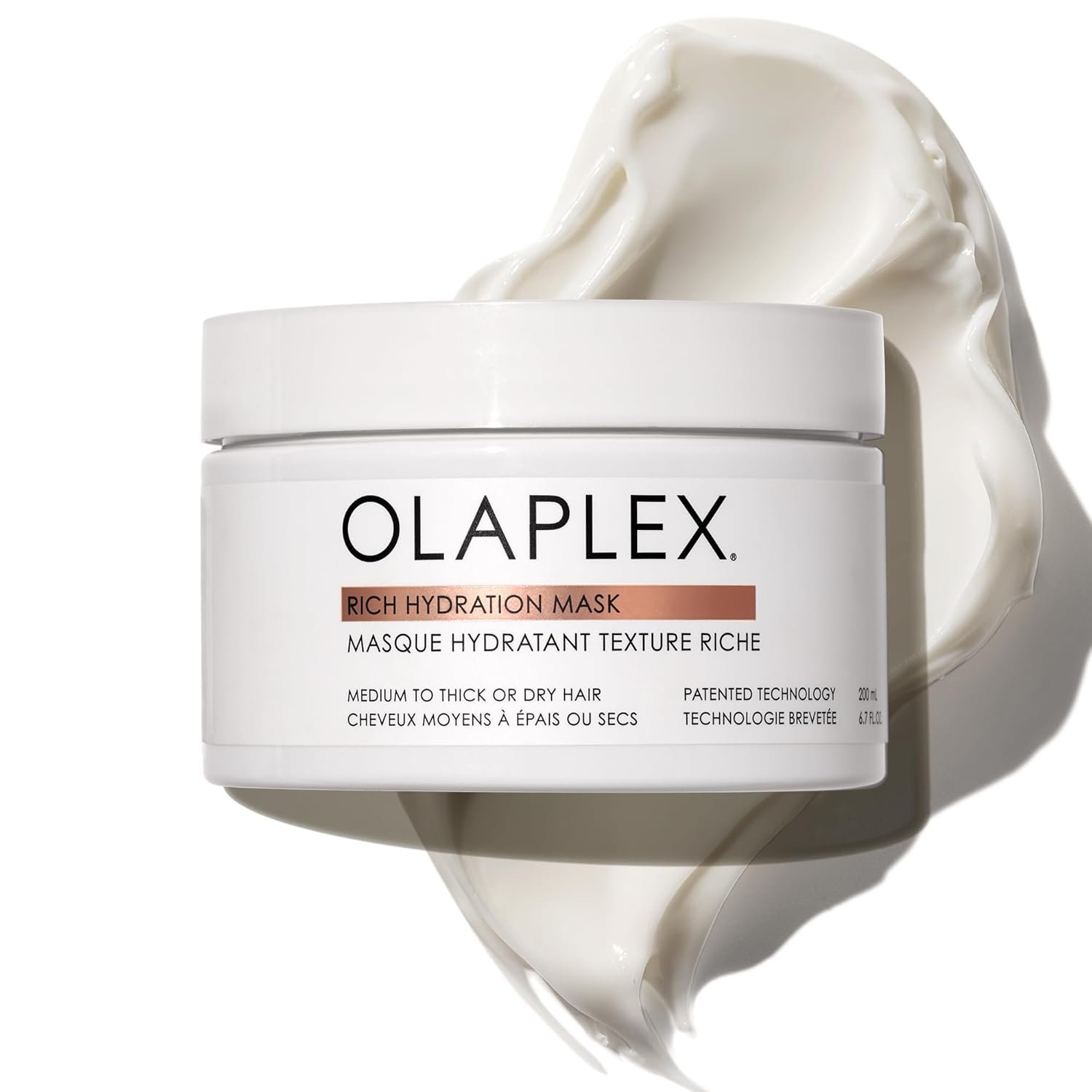
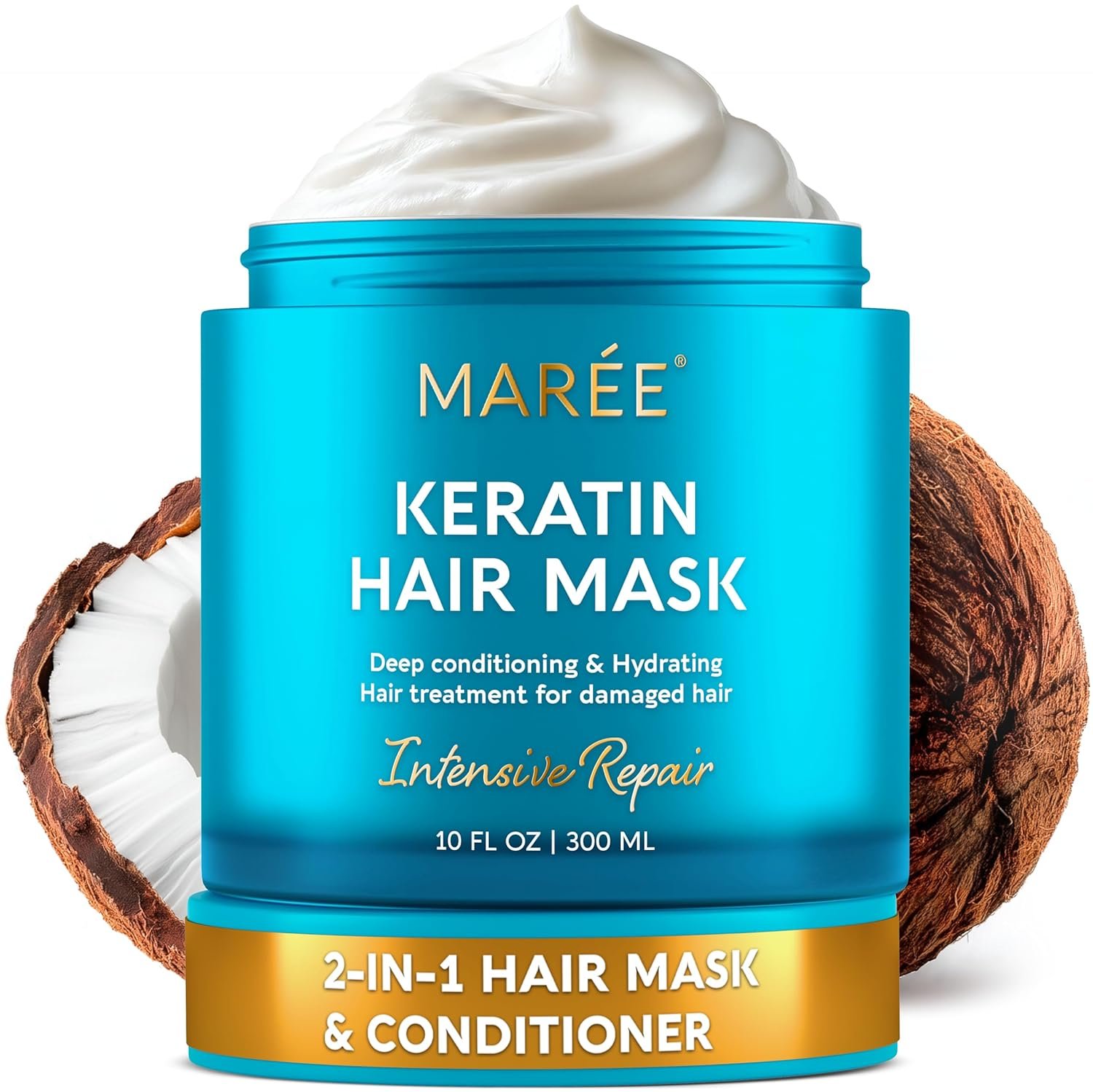
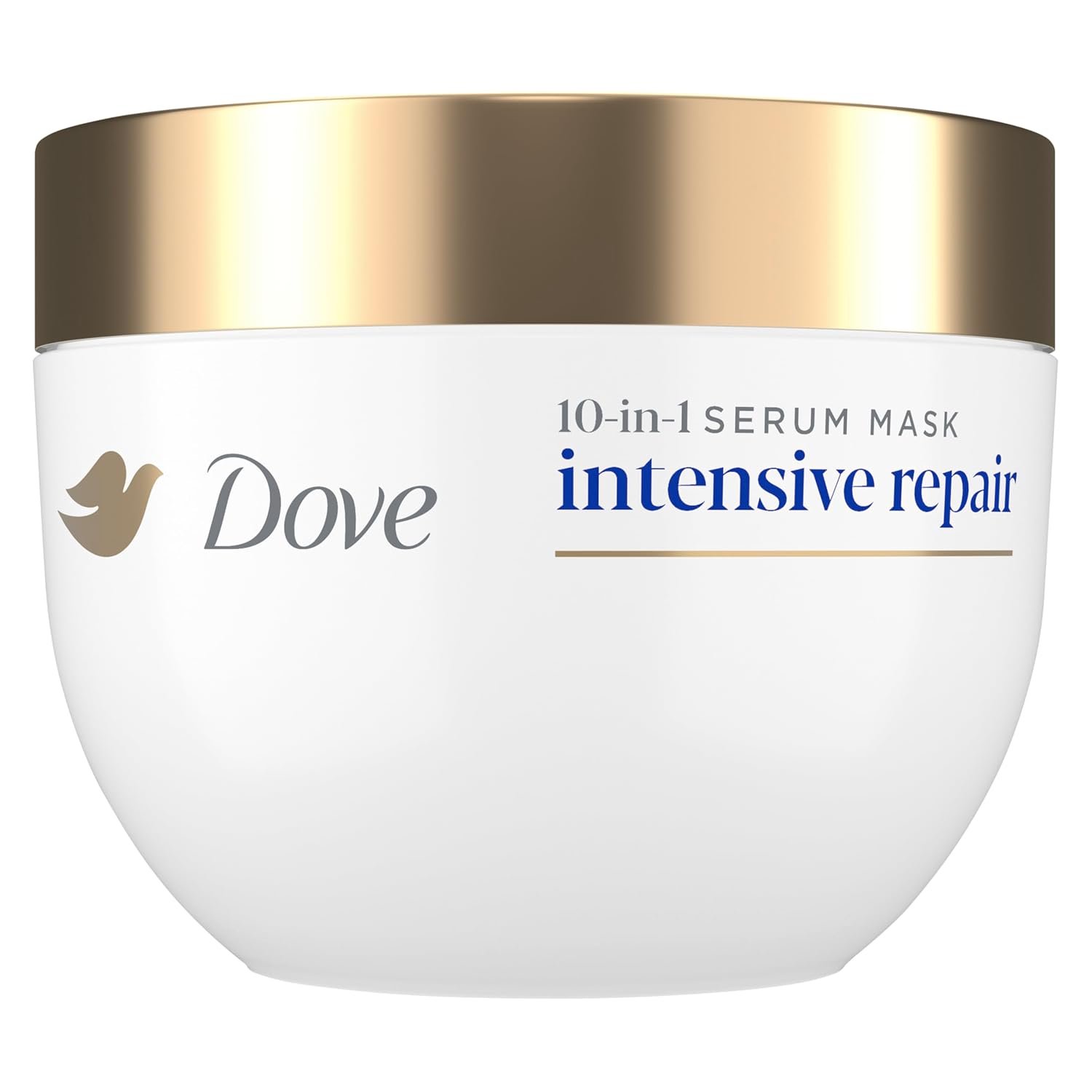
2. Use A Deep Conditioner
A rich conditioner or weekly hair mask helps restore moisture. Ingredients like argan oil, coconut oil, and shea butter are especially helpful.
3. Install A Water Filter
A shower filter reduces mineral buildup from hard water. This makes a big difference, especially if you live in an area with hard water.
4. Reduce Washing Frequency
Try washing every other day or less. Give your scalp time to produce natural oils.
5. Cool Down Your Rinse
Finish your wash with cool water to seal the cuticle and lock in moisture.
6. Limit Heat Styling
Let your hair air dry when possible. If you must use heat, apply a heat protectant spray first.
7. Trim Split Ends Regularly
Getting a trim every 6–8 weeks prevents split ends from moving up the hair shaft.
8. Protect From Sun And Pollution
Wear a hat or use a leave-in conditioner with UV protection when you’re outside for long periods.
9. Eat A Balanced Diet
Foods rich in vitamin E, omega-3 fatty acids, and protein support hair health.
Example Hair Care Routine
Here’s a simple routine for softer hair:
- Wash with a mild, sulfate-free shampoo twice a week.
- Apply a rich conditioner every time you wash.
- Once a week, use a deep conditioning mask.
- Air dry whenever possible.
- Comb hair gently with a wide-tooth comb.
Comparing Shampoo Types
The type of shampoo you use makes a big difference. Below is a comparison of sulfate-free and regular shampoos:
| Shampoo Type | Main Feature | Effect on Hair |
|---|---|---|
| Sulfate-Free | Mild cleansing | Keeps hair softer, less dry |
| Regular (Sulfate) | Strong cleaning | Can make hair feel rough, especially if used often |
Sulfate-Free
Regular (Sulfate)
Water Quality: Hard Vs. Soft Water
Water quality matters more than many people realize. Here’s how hard water and soft water affect your hair:
| Water Type | Mineral Content | Effect on Hair |
|---|---|---|
| Hard Water | High (Calcium, Magnesium) | Builds up, makes hair stiff |
| Soft Water | Low minerals | Leaves hair feeling softer |
Hard Water
Soft Water
Conditioning Products Comparison
Not all conditioners are the same. Picking the right one can change how your hair feels:
| Conditioner Type | Best For | Moisture Level |
|---|---|---|
| Lightweight Conditioner | Oily or fine hair | Low to medium |
| Deep Conditioner/Mask | Dry or damaged hair | High |
| Leave-In Conditioner | All hair types, extra protection | Medium |
Lightweight Conditioner
Deep Conditioner/Mask
Leave-In Conditioner
Two Surprising Insights About Dry Hair
- Even “natural” products can dry out hair. For example, shampoos with too much tea tree oil or alcohol can cause dryness, even if they are marketed as natural.
- Towel drying can damage hair. Rubbing your hair with a regular towel lifts the cuticle. Instead, gently blot with a microfiber towel or a soft t-shirt.
When To See A Professional
If your hair still feels like straw after trying these steps, it’s smart to see a dermatologist or trichologist. Sometimes, chronic dryness is a sign of a medical issue, like a thyroid problem.
For more details on how water impacts hair health, check the USGS guide on water hardness.
Healthy hair starts with simple changes. A few adjustments in your routine can turn straw-like hair into hair that feels soft and manageable.
Frequently Asked Questions
Why Does My Hair Feel Rough Only After Shampooing?
Shampoo removes oils that make hair soft. If your shampoo is too strong or you don’t condition well, hair loses its natural moisture and feels rough.
Can I Fix Straw-like Hair Without Cutting It?
Yes. Use deep conditioners, avoid heat, and switch to gentle products. Regular trims help, but you don’t need a dramatic haircut to see improvement.
Does Diet Affect How My Hair Feels?
Definitely. Hair needs protein, healthy fats, and vitamins. Poor nutrition leads to dryness. Drinking enough water is also important for soft hair.
Will Home Remedies Like Oils Help?
Natural oils like coconut or argan oil can help add moisture. Apply a small amount to damp hair, focusing on ends.
How Long Does It Take To See Results?
With the right routine, you might see improvement in 2–4 weeks. Severe damage takes longer, but even small changes can make a difference quickly.