Jump To Section
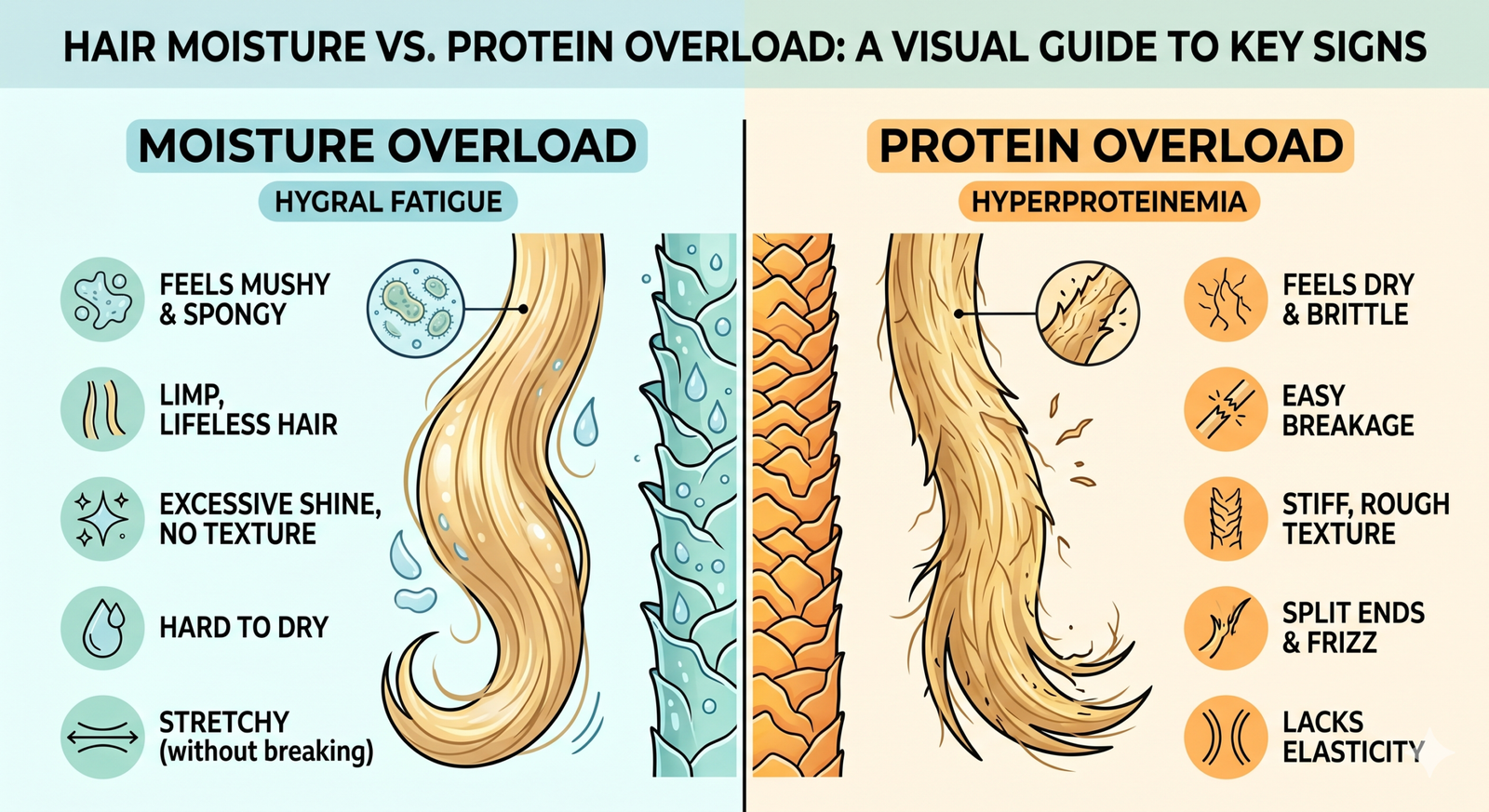
Many people chase healthy, beautiful hair, but often get stuck between two problems: moisture overload and protein overload. These issues can make hair look dull, dry, or even cause breakage. Understanding the difference between the two is key to having hair that feels strong and looks shiny. If you use hair masks, deep conditioners, or protein treatments, knowing these signs can save you time, money, and stress.
Let’s break down what happens when your hair gets too much moisture or protein, how to spot the signs, and what you can do to fix each problem. This will help you build a routine that keeps your hair balanced and healthy.
What Is Hair Moisture Overload?
Moisture overload happens when hair gets more water or hydrating ingredients than it can handle. Hair needs moisture to stay soft and flexible, but too much can make it weak.
Signs of moisture overload:
- Hair feels mushy or gummy when wet
- Strands stretch a lot before snapping
- Hair looks flat and lifeless
- Lacks bounce or volume
- Gets tangled easily
This problem is common if you use deep conditioners, leave-in creams, or co-wash products too often without adding protein. Curly hair is especially at risk because it tends to need more moisture, so people may overdo it.
What Is Protein Overload?
Protein overload is the opposite problem. Hair needs protein for strength, but too much makes it stiff and brittle.
Signs of protein overload:
- Hair feels straw-like or rough
- Breaks easily, even when dry
- Lacks shine and flexibility
- Feels hard or crunchy to the touch
- Tangles and snaps instead of stretching
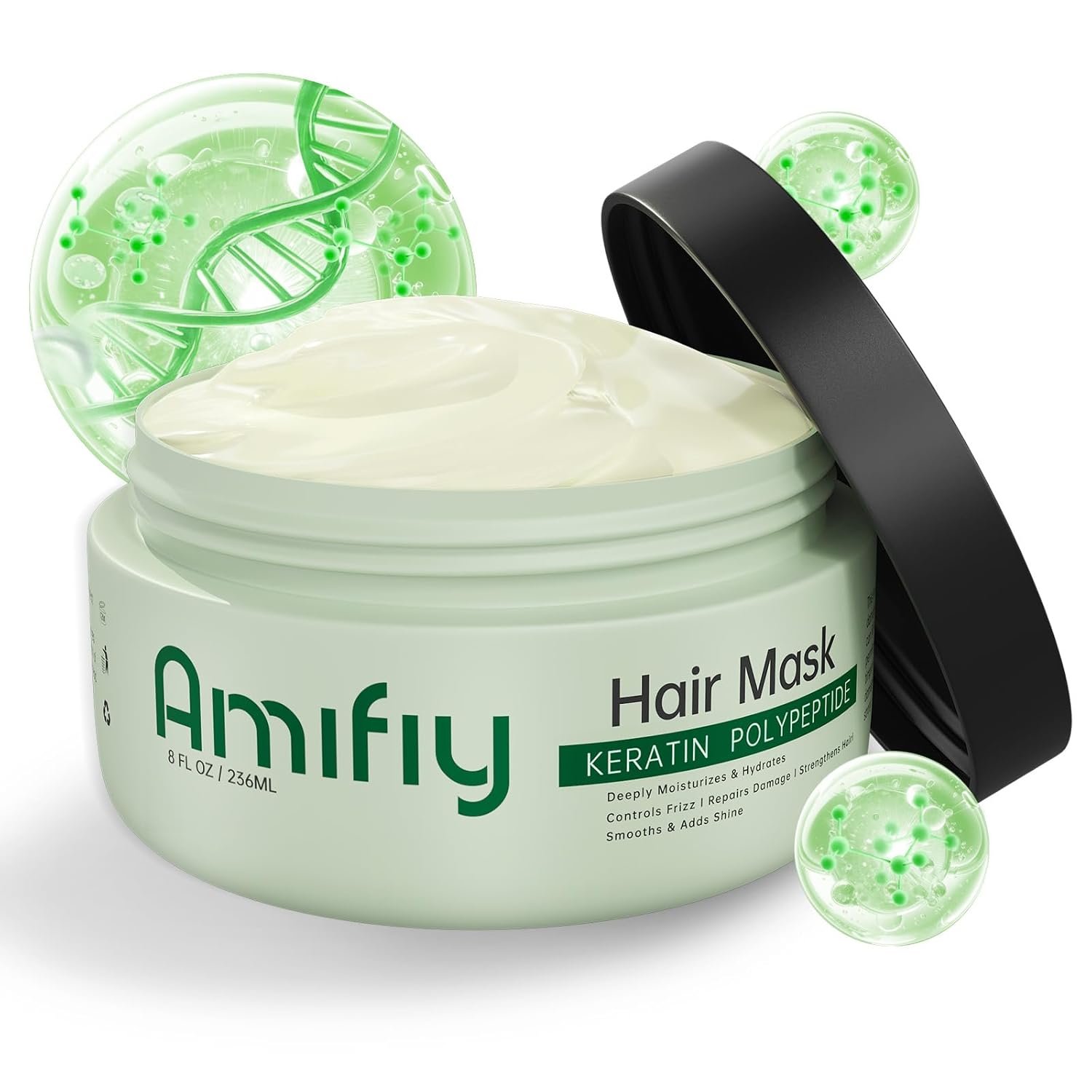
This often happens to people who use protein treatments, keratin products, or shampoos labeled “strengthening” too often. Even some natural oils, like coconut oil, can add protein.
Why Balance Matters
Healthy hair needs both moisture and protein. Moisture keeps hair soft, while protein gives strength. If you get the balance wrong, you may see more split ends, frizz, or even hair loss. The right balance helps hair stay elastic, shiny, and less likely to break.
Here is a simple comparison:
| Moisture Overload | Protein Overload |
|---|---|
| Mushy or limp texture | Stiff or rough texture |
| Overly stretchy hair | Brittle, breaks with little pressure |
| Dull, flat appearance | Dull, frizzy look |
| Tangles easily when wet | Tangles and snaps when combing |
Comparison
Comparison
Comparison
Comparison
How To Spot The Difference
Sometimes the signs can look similar, so try a simple “strand test”:
- Take a clean, wet hair strand.
- Gently stretch it.
- If it stretches a lot and snaps, you likely have moisture overload.
- If it doesn’t stretch and breaks right away, it’s probably protein overload.
A less obvious sign beginners miss: If your hair feels dry but heavy, it’s likely moisture overload. Dry and stiff usually means protein overload.
Common Causes Of Imbalance
Knowing what causes these problems can help you avoid them.
Moisture Overload Causes
- Using moisturizing masks after every wash
- Co-washing without clarifying shampoo
- Leaving conditioner in too long
- Rarely using protein treatments
Protein Overload Causes
- Weekly or frequent protein masks
- Using “strengthening” or “repair” products daily
- Heavy coconut oil use
- Chemical treatments like keratin smoothing
Here’s a quick overview:
| Trigger | Leads To |
|---|---|
| Frequent deep conditioning | Moisture Overload |
| Daily protein shampoo | Protein Overload |
| Cowash only, no clarifying | Moisture Overload |
| Regular keratin treatments | Protein Overload |
Frequent deep conditioning
Daily protein shampoo
Cowash only, no clarifying
Regular keratin treatments
How To Fix Each Problem
If you spot signs of overload, act fast to restore balance.
Fixing Moisture Overload
- Use a clarifying shampoo to remove excess product.
- Take a break from all moisturizing masks and leave-ins.
- Add a light protein treatment once a week.
- Avoid sleeping with wet hair—this keeps hair swollen and weak.
Fixing Protein Overload
- Stop all protein treatments for two weeks.
- Focus on deep conditioning with moisturizing masks.
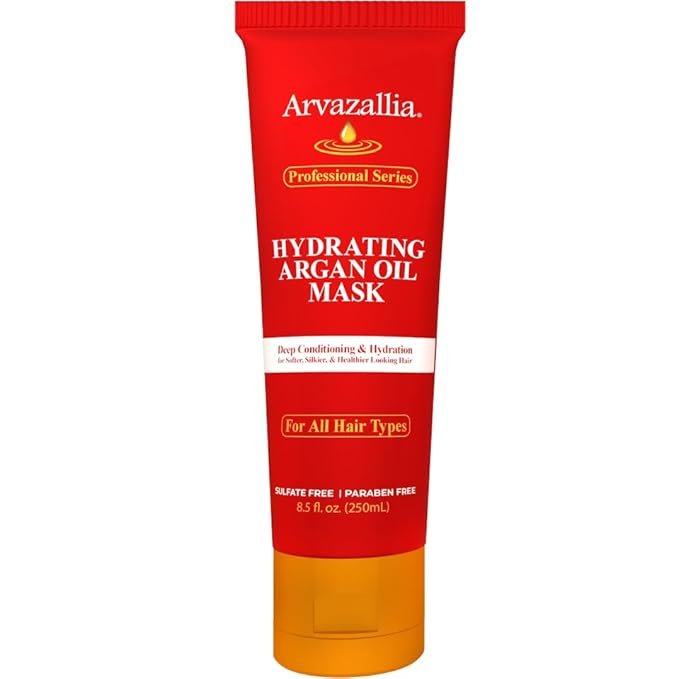
- Use oils like argan or olive (not coconut, which can add protein).
- Avoid shampoos with “repair,” “strengthen,” or “keratin” on the label.
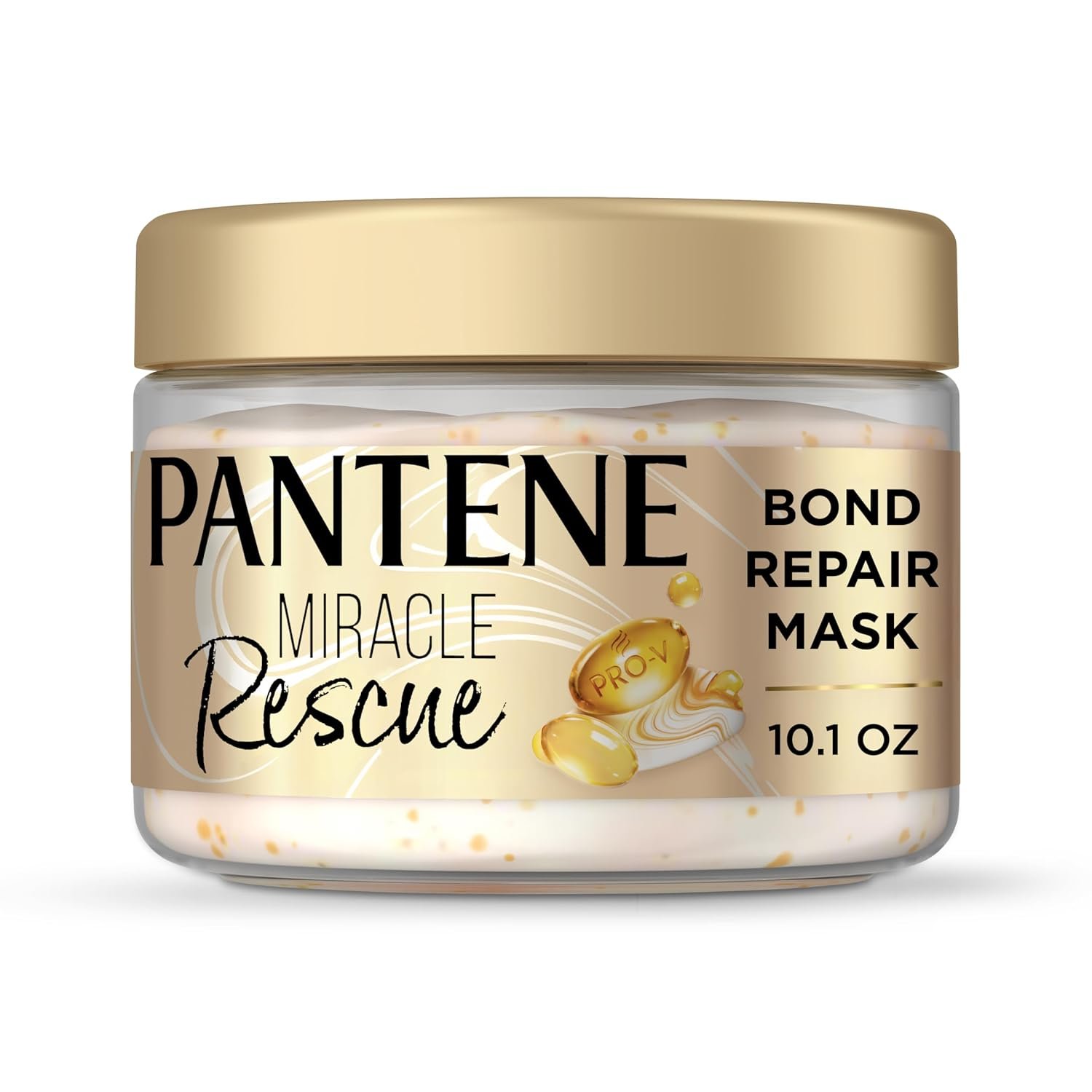
Most people see improvement within 2-3 washes if they correct their routine. One hidden mistake: some products contain both protein and moisture, so read labels carefully to avoid repeating the problem.
Tips For Keeping Hair Balanced
- Alternate between protein and moisture treatments.
- Check your hair every two weeks with the strand test.
- Don’t follow one-size-fits-all routines—adjust based on your hair’s feel.
- Wash less often if your scalp is not oily; over-washing can strip balance.
- Limit heat styling, which weakens both moisture and protein bonds.
Here’s a summary for ongoing care:
| Action | How It Helps |
|---|---|
| Alternate treatments | Maintains balance |
| Strand test | Spot problems early |
| Use gentle products | Prevents overloads |
| Limit heat tools | Reduces risk of breakage |
Alternate treatments
Strand test
Use gentle products
Limit heat tools
When To See A Professional
If your hair keeps breaking, feels strange for weeks, or you see scalp irritation, visit a professional stylist or trichologist. Sometimes, underlying health or scalp issues can cause similar symptoms. A professional can suggest treatments or products that suit your hair’s real needs.
For more in-depth advice on hair structure and care, see this Wikipedia article on human hair growth.
Frequently Asked Questions
What Is The Fastest Way To Fix Moisture Overload?
Clarify your hair with a gentle shampoo, then use a protein treatment once. Avoid all moisturizing products for at least one week.
How Often Should I Do Protein Treatments?
Most people need them every 2-4 weeks, but not weekly. Fine or damaged hair may need less. Always listen to how your hair feels.
Can Protein Overload Cause Hair Loss?
It can cause breakage, which looks like hair loss. True hair loss from the root is rare unless you have a scalp condition.
Are There Signs That I Have Both Overloads At The Same Time?
Yes. Hair that feels dry, rough, but also stretches too much can have both problems. In this case, see a stylist for advice.
How Do I Know If A Product Is Protein-rich?
Look for ingredients like keratin, collagen, wheat protein, or silk amino acids on the label. Avoid these if you suspect protein overload.
Finding the right balance between hair moisture and protein is not always easy, but learning these signs gives you control over your hair health. With careful observation and a balanced routine, you can keep your hair strong, shiny, and full of life.