Jump To Section
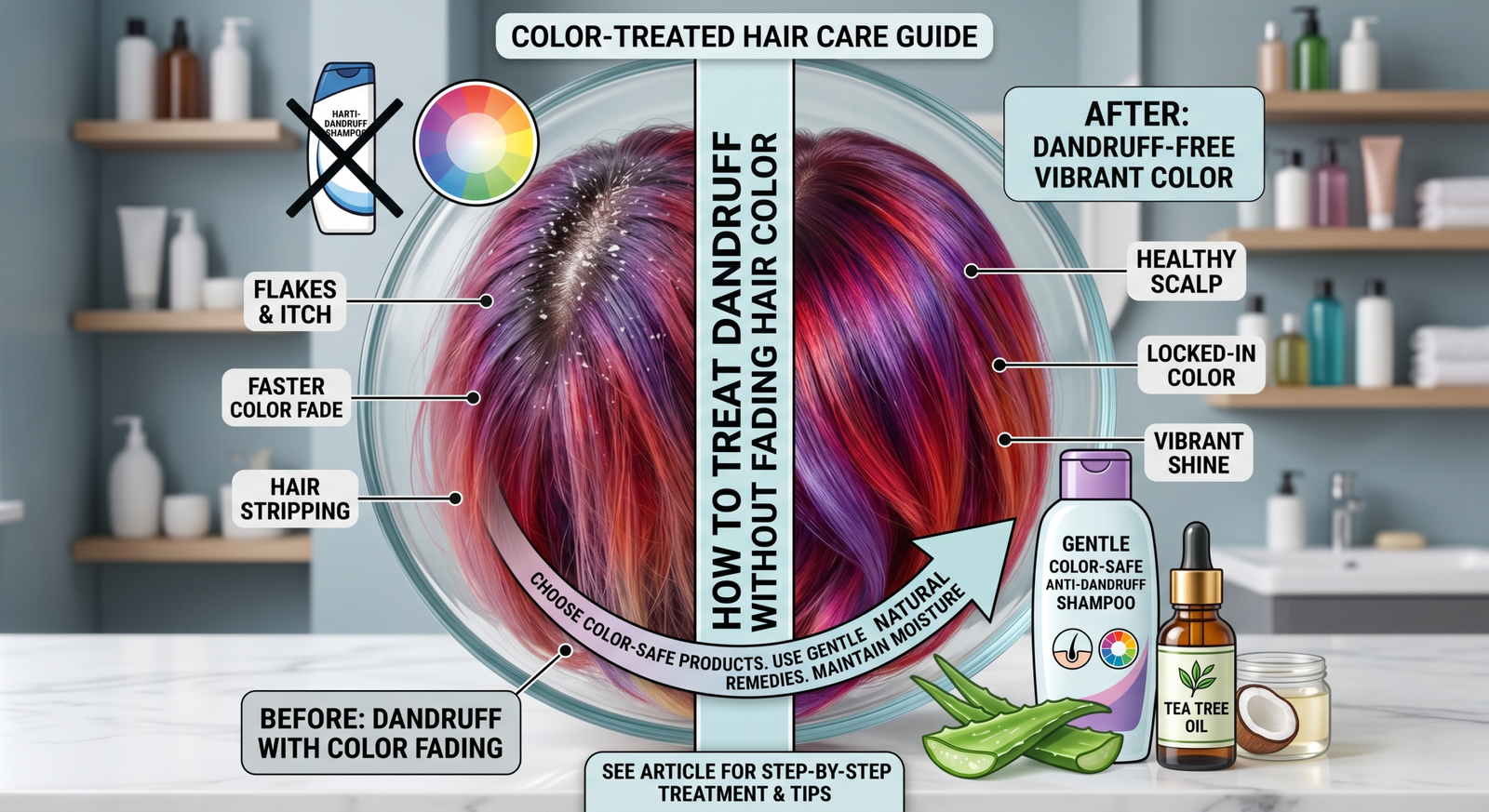
Many people struggle with dandruff but worry that treating it will make their hair color fade. This is a common concern, especially for those who have spent time and money coloring their hair. Dandruff can be embarrassing and uncomfortable, but you don’t have to choose between a healthy scalp and vibrant color. With careful product selection and good habits, you can manage dandruff without harming your hair’s shine and shade. Even if you have bold or delicate colors, there are ways to keep your hair looking fresh while getting rid of flakes. The key is understanding how dandruff treatments interact with hair dye and making smart choices every step of the way.
Understanding Dandruff And Hair Color
Dandruff is caused by scalp dryness, fungal growth, or irritation from hair products. It often shows as white flakes and itchiness. Many anti-dandruff treatments use strong ingredients like zinc pyrithione or selenium sulfide. These chemicals can strip color from hair, especially if you have semi-permanent or vivid shades. For example, blue, red, and pastel colors tend to fade faster than darker, permanent shades if exposed to harsh shampoos.
Colored hair is more sensitive because the dye opens the hair cuticle. If you use harsh shampoos, the color molecules escape, making your hair look dull. Heat styling and sun exposure can also speed up fading. This is why it’s important to choose treatments that are gentle but effective.
Besides, scalp health is linked to how well your color stays, so treating dandruff the right way helps both your scalp and your hair’s appearance.

Choosing The Right Anti-dandruff Shampoo
Not all anti-dandruff shampoos are equal. Some are made for colored hair and use mild ingredients. Here’s a comparison of common shampoo types:
| Shampoo Type | Effectiveness | Color Protection |
|---|---|---|
| Regular Anti-Dandruff | High | Low |
| Sulfate-Free Anti-Dandruff | Medium | High |
| Color-Safe Anti-Dandruff | Medium | Very High |
Regular Anti-Dandruff
Sulfate-Free Anti-Dandruff
Color-Safe Anti-Dandruff
Look for shampoos labeled “color-safe” or “sulfate-free”. These are gentler and help your color last longer. Ingredients like piroctone olamine and tea tree oil fight dandruff without being too harsh. You can also check for moisturizing agents like glycerin or panthenol, which help keep both scalp and hair hydrated. If you have sensitive skin or allergies, test a small amount of shampoo first to avoid irritation. Another non-obvious tip: Some brands offer dual formulas for dandruff and color protection—these are worth considering if you don’t want to compromise on either.
Best Practices For Washing Colored Hair
To keep your hair color safe while treating dandruff, follow these tips:
- Wash your hair less often. Two to three times per week is usually enough.
- Use cool or lukewarm water. Hot water opens the cuticle and fades color faster.
- Apply shampoo only to the scalp. Let it foam and rinse, but avoid rubbing into the hair lengths.
- Condition the ends. After shampoo, use a color-protecting conditioner just on the mid-lengths and ends.
- Dry gently. Pat your hair with a towel; avoid rubbing, which can damage color and scalp.
Many people forget that shampooing too often is a common mistake. It dries both scalp and hair, worsening dandruff and fading color. Another overlooked point is that most anti-dandruff shampoos are meant for scalp use only. Rubbing them into hair lengths isn’t needed and can cause extra fading. Also, consider using a shower filter if your water is hard, since minerals can dull your hair color and make dandruff worse. Switching up your routine by adding a weekly deep-conditioning mask can also help maintain softness and shine.

Natural Remedies That Are Color-friendly
If you want to avoid chemicals, some natural treatments can help with dandruff and protect color:
- Apple cider vinegar: Mix one part vinegar with four parts water. Spray on scalp, leave for five minutes, then rinse. This helps balance pH and fights fungus.
- Aloe vera gel: Apply pure aloe gel to your scalp. It soothes irritation and reduces flakes.
- Coconut oil: Massage a small amount onto the scalp. Leave for 20 minutes, then wash. Coconut oil moisturizes without stripping color.
These remedies are gentle but not as strong as medicated shampoos. You may need to use them regularly for best results. For extra comfort, try adding a drop of lavender or peppermint oil to coconut oil before massaging your scalp—these oils add soothing and anti-inflammatory benefits.
One thing beginners miss is that natural remedies may take longer to show results, so patience is necessary. Always rinse thoroughly, as leftover oil can attract dirt and worsen dandruff.
Additional Scalp Care Tips
Healthy scalp habits matter for both dandruff and color. Here’s another comparison table for scalp care methods:
| Method | Benefits | Risks for Color |
|---|---|---|
| Scalp Massage | Boosts circulation | None |
| Clarifying Shampoo | Removes buildup | High (use rarely) |
| Leave-in Tonic | Moisturizes scalp | Low (choose color-safe) |
Scalp Massage
Clarifying Shampoo
Leave-in Tonic
Avoid clarifying shampoos unless you have heavy buildup—they are tough on color. Regular scalp massage and color-safe tonics keep the scalp healthy and reduce flaking. Another tip is to avoid styling products with alcohol, which dries both scalp and hair.
If you use heat tools, always apply a heat protectant spray to shield your color and scalp. Some people overlook the importance of not scratching the scalp, which can make dandruff worse and irritate colored hair.
When To See A Dermatologist
If your dandruff is severe or doesn’t improve after a few weeks, it’s smart to see a dermatologist. They can recommend prescription treatments that are safe for colored hair. Sometimes, what looks like dandruff is actually seborrheic dermatitis or psoriasis, which need special care. Dermatologists can also offer advice tailored to your hair type and color, making sure you get the best results without sacrificing your style. Waiting too long to seek help can make the problem harder to treat and increase the risk of color damage.
Frequently Asked Questions
What Ingredients Should I Avoid In Anti-dandruff Shampoos For Colored Hair?
Avoid sulfates, selenium sulfide, and tar. These can strip color and dry out your hair. Also, avoid shampoos with strong fragrances if your scalp is sensitive.
Can I Use Medicated Shampoos If My Hair Is Colored?
Yes, but choose color-safe formulas. Use them only on the scalp and rinse quickly to protect your color. If unsure, consult your colorist or dermatologist.
How Often Should I Wash Colored Hair With Dandruff?
Two or three times per week is best. Over-washing can cause fading and dryness. You can rinse with water between washes if your scalp feels itchy.
Are Natural Remedies Enough To Treat Dandruff?
Sometimes. Mild dandruff may improve with apple cider vinegar or aloe vera. For severe cases, you may need medicated products. Don’t hesitate to mix remedies—like alternating natural and medicated treatments—to see what works best.
Will Dandruff Treatments Affect Semi-permanent Colors Differently?
Yes. Semi-permanent colors are more likely to fade. Use gentle, color-safe shampoos and avoid harsh chemicals. Touch up your color more often if needed.
Managing dandruff without losing your hair color is possible with the right approach. Choose gentle, color-safe products and use them carefully. Don’t wash too often, and pay attention to your scalp’s needs. Small changes in your routine make a big difference. If you need more information, visit the American Academy of Dermatology for expert advice. Keep your hair healthy, vibrant, and flake-free—without compromise. Remember, consistency matters: stick to your routine, monitor results, and adjust as needed for a scalp and hair you love.