Jump To Section
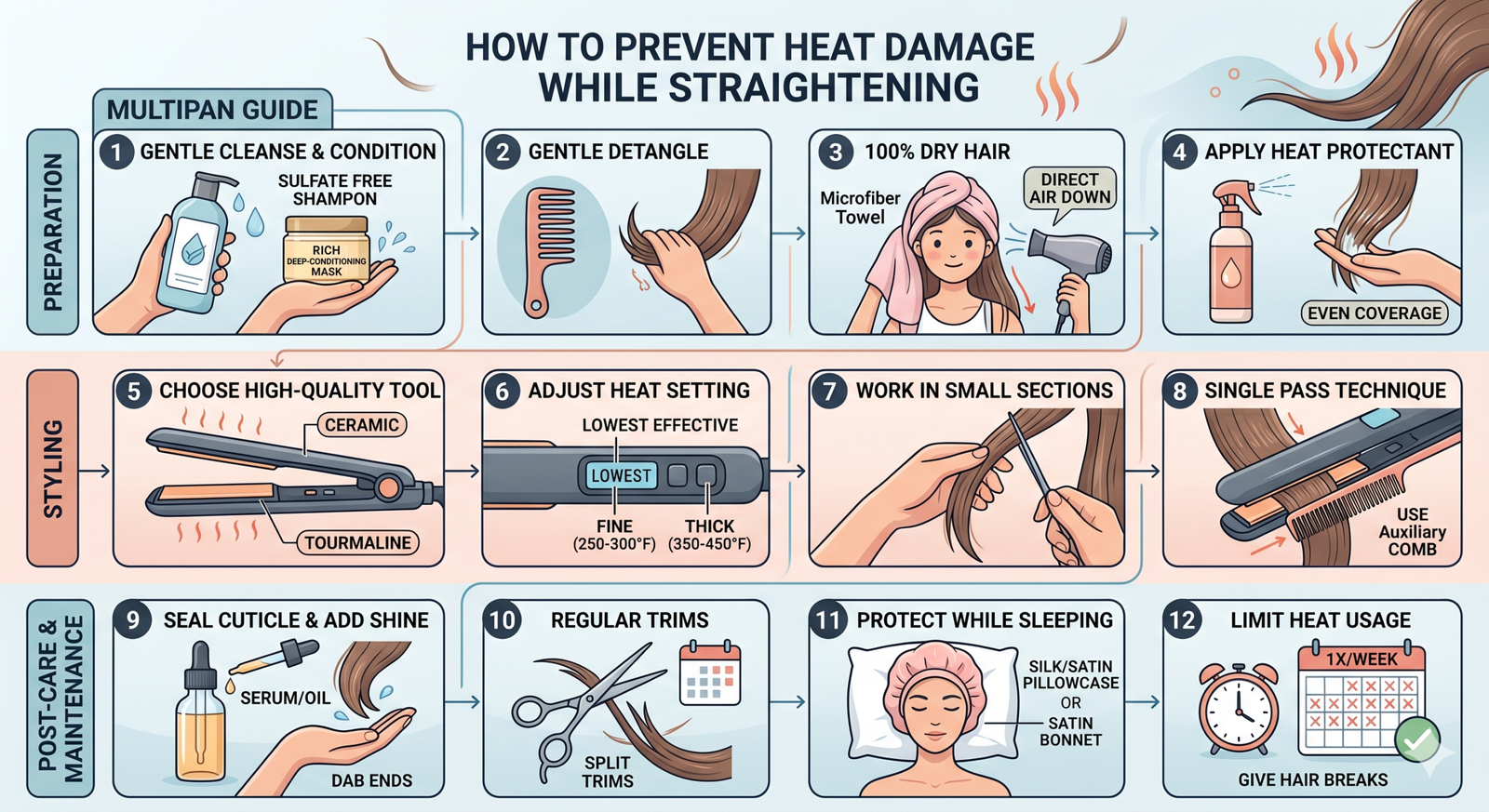
Heat styling can make hair look sleek and shiny, but it often comes with a hidden cost: heat damage. If you love straightening your hair but worry about dryness, breakage, or frizz, you’re not alone. Many people struggle to balance style with healthy hair. The good news is, you can use your straightener and still keep your hair strong. With smart habits and the right products, it’s possible to avoid most damage. This guide will show you how to protect your hair, step by step, so you can enjoy straight styles without regret.
Why Heat Damages Hair
When you use a straightener, the high temperature changes your hair’s structure. The heat removes moisture, making strands dry and weak. Over time, this can lead to split ends, dullness, and breakage. Hair is made of proteins and natural oils. Excess heat breaks down these, which is why damage builds up.
How Heat Levels Affect Hair
Let’s compare different heat settings and their effects.
| Heat Setting | Effect on Hair | Recommended For |
|---|---|---|
| Low (250–300°F) | Minimal damage, slower styling | Fine, fragile hair |
| Medium (300–350°F) | Moderate risk, smooth results | Normal hair |
| High (350–450°F) | High risk, fast straightening | Thick, coarse hair |
Low (250–300°F)
Medium (300–350°F)
High (350–450°F)
Most experts recommend staying below 350°F for daily styling. Using higher heat occasionally is okay, but it should not be your routine.
Preparing Your Hair For Straightening
Healthy hair starts before you even touch your straightener. Here’s what you should do:
- Wash with gentle shampoo. Choose a sulfate-free shampoo to keep natural oils. Avoid harsh cleansers.
- Condition deeply. Use a moisturizing conditioner or hair mask. This adds a protective layer.
- Dry completely. Never straighten wet hair. Water inside hair can “cook” and cause bubbles, leading to breakage.
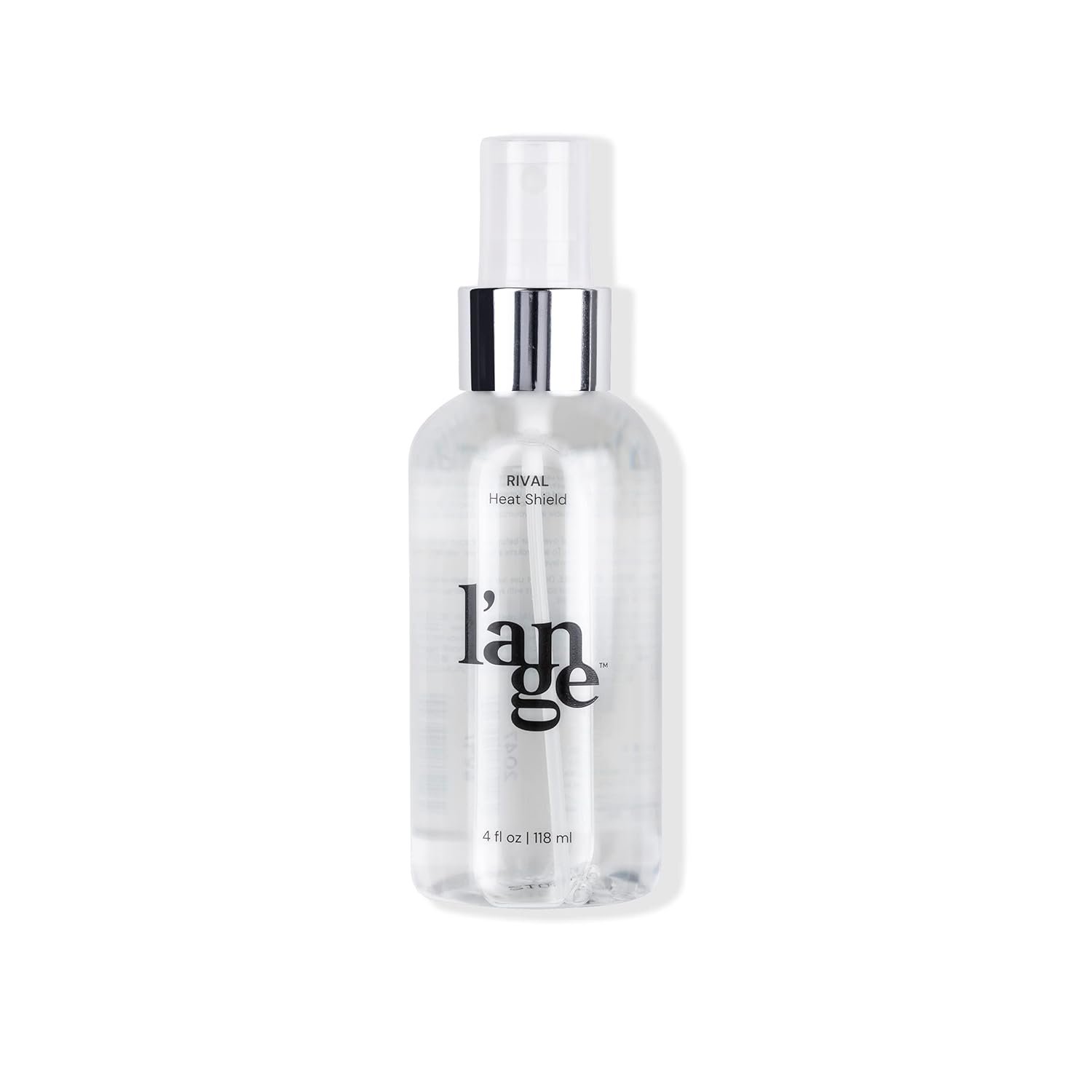
- Apply heat protectant. Spray or cream forms a shield. Look for products with silicone, keratin, or vitamin E.
Comparing Heat Protectant Ingredients
| Ingredient | Protection Level | Other Benefits |
|---|---|---|
| Silicone | High | Smooths, adds shine |
| Keratin | Medium | Strengthens hair |
| Argan oil | Medium | Moisturizes, repairs |
| Vitamin E | Low | Repairs, nourishes |
Silicone
Keratin
Argan oil
Vitamin E
Silicone-based protectants are best for high heat, but some people prefer natural oils.
Smart Straightening Techniques
How you use your straightener matters just as much as the products you use.
- Work in sections. Divide hair into small parts. This reduces repeat passes and lowers damage.
- Use one slow pass. Don’t go over the same area again and again. One steady pass is better than many quick passes.
- Keep moving. Don’t let the straightener sit still on hair, even for a second.
- Avoid daily use. Straightening every day increases risk. Try to style only 2–3 times per week.
Common Mistakes Beginners Make
- Setting heat too high for their hair type.
- Using straighteners on damp hair.
- Forgetting heat protectant.
- Overlapping hair sections, causing uneven heat.
Small changes can make a big difference. For example, switching to a lower temperature or using a thicker heat protectant can reduce damage by up to 40%.
Choosing The Right Straightener
Not all straighteners are equal. Some cause more damage than others. Here’s what to look for:
- Ceramic plates. Spread heat evenly. Good for most hair types.
- Tourmaline plates. Reduce frizz, lock in moisture.
- Titanium plates. Get hot fast, best for thick hair.
Compare popular straightener materials:
| Material | Heat Distribution | Damage Risk | Best For |
|---|---|---|---|
| Ceramic | Even | Low | All hair types |
| Tourmaline | Very even | Lowest | Frizzy hair |
| Titanium | Quick, hot | Medium | Thick/coarse hair |
Ceramic
Tourmaline
Titanium
Ceramic and tourmaline are safest for regular use. Always pick a straightener with adjustable heat settings.

Aftercare: Keeping Hair Healthy
Once you’ve straightened your hair, it’s important to care for it. Here’s how:
- Cool down. Let hair return to normal temperature before styling further.
- Apply leave-in conditioner. This adds moisture lost during straightening.
- Trim regularly. Cut split ends every 6–8 weeks.
- Avoid tight hairstyles. Ponytails or buns can stress straightened hair.
If you notice dryness or breakage, try skipping heat styling for a few weeks. Use nourishing masks to repair damage. You can find more tips on maintaining healthy hair at WebMD.
Non-obvious Insights For Extra Protection
- Humidity matters. Straighten your hair in a dry room. Moist air can cause frizz and make heat damage worse.
- Check plate cleanliness. Dirty plates burn product residue into hair. Clean your straightener monthly.
- Don’t skip scalp care. Heat can dry out your scalp. Use lightweight oils or scalp treatments once a week.
Many people forget about these details, but they can help keep hair healthy over time.
Frequently Asked Questions
Can I Straighten Colored Or Bleached Hair Safely?
Yes, but colored or bleached hair is more fragile. Use the lowest heat setting and always apply a heat protectant. Limit straightening to once or twice a week.
How Do I Know If My Hair Is Heat Damaged?
Look for dryness, split ends, and loss of shine. Hair may also feel rough or break easily. If you notice these signs, reduce heat styling and use repair masks.
What Is The Best Heat Protectant For Straightening?
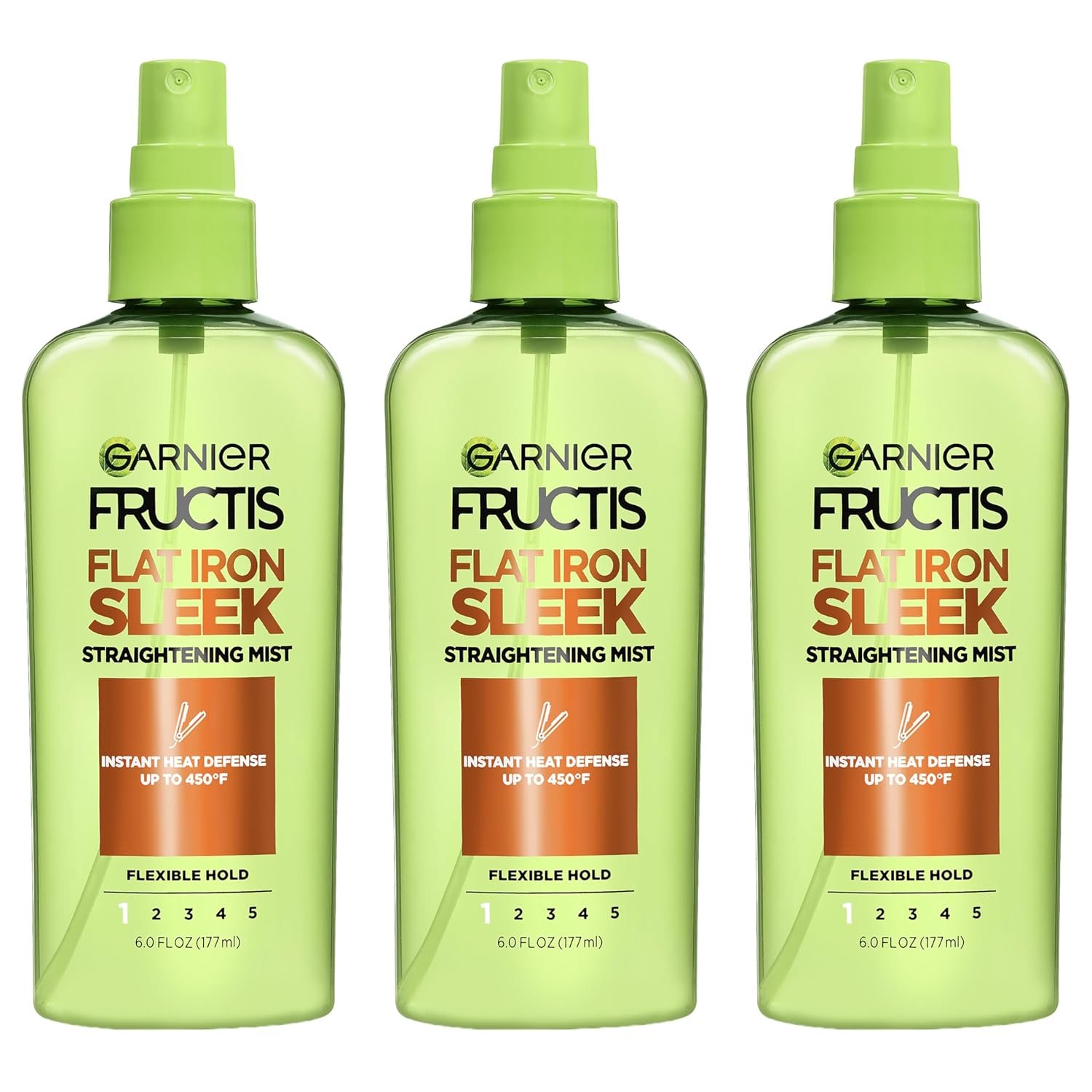
Products with silicone or keratin offer strong protection. Choose sprays or creams that can withstand temperatures up to 450°F.
Can I Straighten Hair Every Day Without Damage?
It’s not recommended. Daily straightening dries hair and increases breakage. Try to style only a few times per week and use nourishing treatments on off days.
How Do I Clean My Hair Straightener?
Unplug the straightener and let it cool. Wipe plates with a damp cloth and mild soap. Avoid harsh cleaners. Clean once a month for best results.
Protecting your hair from heat damage takes a bit of effort, but it’s worth it. You don’t have to give up straight styles—just use smarter habits and products. With the right preparation, tools, and aftercare, you can enjoy smooth, shiny hair without worrying about long-term harm.