Jump To Section
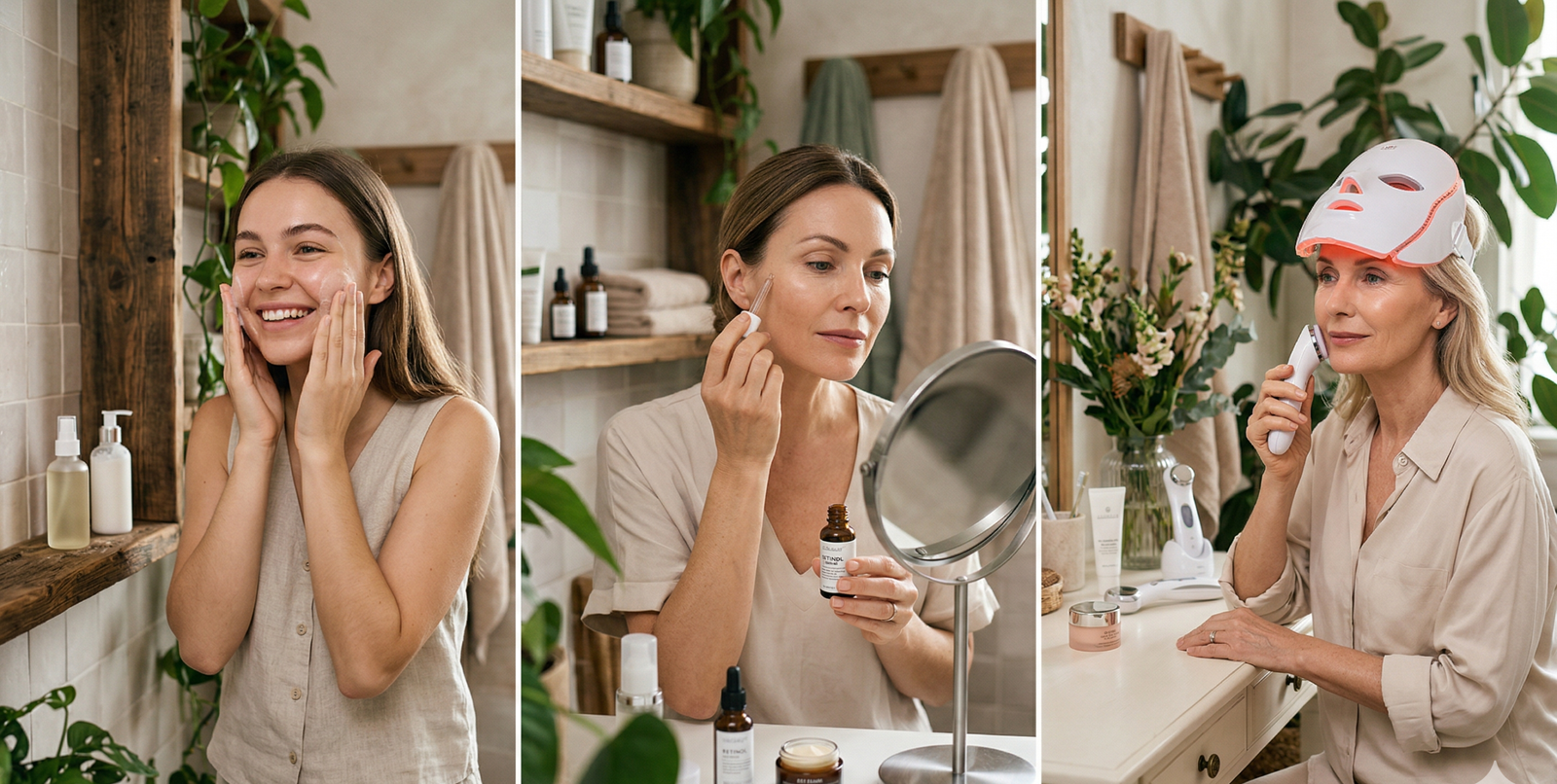
At What Age Should You Start Using Anti-Aging Products And Devices?
Aging is a natural process, but many people want to keep their skin looking young and healthy as long as possible. With so many anti-aging products and devices available today, it’s common to wonder: When should you actually start using them? Is it ever too early, or too late? The answer depends on your skin type, lifestyle, and what you want to achieve. Understanding the right age, and the right approach, can help you make smart choices that benefit your skin for years.
Why Anti-aging Matters Before Wrinkles Start
Most people believe anti-aging products are only for people in their 40s or 50s. However, skin aging doesn’t begin when wrinkles appear—it actually starts in your 20s. Collagen production, which keeps skin firm and smooth, slows down around age 25. Sun exposure, pollution, stress, and poor sleep can make these early changes happen even faster.
While you might not see wrinkles in your 20s, preventing damage is easier than trying to reverse it. Using the right products early can slow aging and keep your skin healthy longer.
Key Ages To Start Anti-aging Products
Experts usually recommend different products at different ages. Here’s what you need to know for each stage.
| Age Range | Recommended Products | Key Focus |
|---|---|---|
| Teens (13–19) | Gentle cleanser, sunscreen | Protection & prevention |
| Early 20s (20–25) | Moisturizer, sunscreen, antioxidants | Hydration & early damage control |
| Late 20s to 30s (26–39) | Retinoids, peptides, eye cream | Boost collagen & target fine lines |
| 40s and beyond (40+) | Stronger actives, devices, serums | Repair & deeper wrinkle treatment |
Teens (13–19)
Focus on sun protection. This is the best time to build habits that will keep your skin healthy for life. Use a broad-spectrum sunscreen with SPF 30 or higher every day, even if you don’t see direct sunlight. Avoid harsh scrubs or strong chemicals.
Early 20s (20–25)
Your skin still repairs itself well. Now is the time to add antioxidants like Vitamin C, which fight damage from pollution and sunlight. Keep your skin hydrated with a gentle moisturizer. Never skip sunscreen.
Late 20s To 30s (26–39)
Fine lines can start to appear in your late 20s. This is when you can add retinoids (Vitamin A derivatives), which help your skin renew faster. Use a peptide serum to boost collagen, and start a gentle eye cream if you notice puffiness or dark circles.
40s And Beyond (40+)
At this stage, you may notice wrinkles, sagging, and uneven skin tone. Consider stronger serums with ingredients like hyaluronic acid, growth factors, or higher-strength retinoids. If you’re unsure where to start, check out our guide on Dermatologist-Recommended Anti-Aging Serums That Actually Work. Devices like LED masks or microcurrent tools can also help, but consistency is key.

Credit: www.medicalnewstoday.com
When To Start Using Anti-aging Devices
Skin care devices are becoming more popular, but they are not all the same. Here’s a quick look at when you might consider different options.
| Device Type | Recommended Starting Age | Main Benefit |
|---|---|---|
| Facial cleansing brushes | Teens–20s | Deep cleaning |
| LED light therapy | 20s–30s | Reduce redness, boost collagen |
| Microcurrent tools | 30s–40s | Tighten & lift |
| Microneedling rollers | Late 20s+ | Stimulate renewal |
For top-tier options to incorporate into your routine, read our review of The 7 Best FDA-Cleared LED Light Therapy Masks for Anti-Aging. Not all devices are suitable for everyone. For example, microneedling is not recommended for people with active acne or very sensitive skin. It’s smart to talk to a dermatologist before trying a new device, especially if you have skin concerns.
Common Mistakes To Avoid
Many people make the mistake of starting with too many strong products or devices at once. This can lead to redness, irritation, or even breakouts. Here are some common errors:
- Skipping sunscreen: No anti-aging product works if you don’t protect your skin from the sun.
- Mixing too many actives: Retinol, Vitamin C, and acids can be strong. Start one at a time.
- Ignoring your skin type: Dry, oily, and sensitive skin need different products.
- Not being consistent: Results take time—usually at least 3 months to see changes.
- Using devices incorrectly: Always read instructions and start slowly.
Credit: www.costco.com
How To Choose The Right Product Or Device
Choosing the right anti-aging product is not just about age—it’s about your skin’s needs.
- Look for evidence-based ingredients: Retinol, peptides, Vitamin C, and sunscreen have the most proof behind them.
- Patch test new products: Try a small amount on your arm before using on your face.
- Less is more: Start with one new product at a time to avoid irritation.
When it comes to devices, consider:
- Your comfort and skill: Some tools, like LED masks, are easy. Others, like microneedling, require care.
- Budget: Not all expensive devices are better. Sometimes simple, regular care works best.
- Brand reputation: Choose devices with good reviews and clear safety information.
Two Insights Beginners Often Miss
First, prevention is better than cure. Many people wait until wrinkles appear, but starting simple steps early—especially sunscreen—can delay aging by years.
Second, lifestyle matters as much as products. Smoking, high sugar intake, stress, and lack of sleep can speed up aging. Products help, but a healthy lifestyle makes a bigger impact than many people realize.
What Science Says
A 2019 review in the “Journal of Dermatological Science” found that starting sun protection and antioxidants in the early 20s can reduce visible aging signs by up to 24%. Retinoids used from the late 20s onward can boost collagen and improve skin texture in over 70% of people.
For devices, a clinical study showed that regular LED mask use for 12 weeks improved skin elasticity and reduced fine lines by 26% in people aged 30–50. However, results depend on using the device correctly and regularly.
For more details on active ingredients and studies, you can check this comprehensive guide from the American Academy of Dermatology.
Frequently Asked Questions
When Should I Start Using Anti-aging Products?
Most dermatologists suggest starting with sunscreen and antioxidants in your early 20s. More advanced products like retinoids can be added in your late 20s or early 30s.
Are Anti-aging Devices Safe For Young Skin?
Devices like cleansing brushes are safe for teens, but tools like microneedling rollers should only be used in your late 20s or later, and with guidance from a professional.
Can I Use Anti-aging Products If I Have Acne?
Yes, but choose products made for acne-prone skin. Avoid heavy creams, and always patch test new products to prevent irritation.
How Long Does It Take To See Results?
Most anti-aging products and devices take at least 8–12 weeks of regular use to show visible results. Consistency is more important than using many products at once.
What Is The Most Important Anti-aging Product?
Sunscreen is the single most important anti-aging product. It prevents most damage that causes wrinkles, spots, and loss of elasticity.
Taking care of your skin is a lifelong journey. Start early with prevention, adapt your routine as you age, and focus on both products and healthy habits. The right choices today will help your skin look its best tomorrow.
:max_bytes(150000):strip_icc()/byr-anti-aging-serums-tout-b426372019b6472eb95967de1be686bb.jpg)
Credit: www.byrdie.com