Jump To Section
- What Is Benzoyl Peroxide Cream?
- How To Use Benzoyl Peroxide Cream
- Choosing The Right Strength
- Benzoyl Peroxide Vs Other Acne Treatments
- Common Side Effects And How To Prevent Them
- What To Expect: Results And Timeline
- Mistakes To Avoid With Benzoyl Peroxide Cream
- When To See A Doctor
- Frequently Asked Questions

Benzoyl peroxide cream is one of the most popular treatments for acne. Many people, from teenagers to adults, use it to reduce pimples, blackheads, and whiteheads. But using this cream correctly is important for good results and avoiding side effects.
If you are new to benzoyl peroxide or want better results, knowing how to apply it the right way is key.
This guide explains everything you need to know, from choosing the right strength to common mistakes. You will also see useful tables comparing different strengths and how benzoyl peroxide works with other acne treatments. Whether you have mild or severe acne, these tips help you get the most from your benzoyl peroxide cream.
What Is Benzoyl Peroxide Cream?
Benzoyl peroxide is a topical medication for acne. It works by killing the bacteria that cause pimples and by removing dead skin cells that block pores. You can find it in many forms, but the cream is easy to use and available in most drugstores.
There are different strengths, usually from 2.5% to 10%. For most people, starting with a low strength is safer to prevent irritation. Benzoyl peroxide can be used alone or with other acne products, but you should know how to combine them safely.
How To Use Benzoyl Peroxide Cream
Using benzoyl peroxide cream is simple, but following the right steps will help your skin clear up faster and reduce redness or dryness. Here is a clear routine for beginners and regular users.
- Wash your face gently using a mild cleanser. Avoid harsh scrubs.
- Pat your skin dry with a clean towel. Never rub your face.
- Apply a small amount of benzoyl peroxide cream to the affected areas. Use just enough to cover the pimples, not the whole face unless directed by a doctor.
- Wash your hands after applying.
- Wait a few minutes before using other products (like moisturizer or sunscreen) to let the cream absorb.
- Use once daily at first. If your skin does not get too dry or red, you can increase to twice daily.
Example Routine
Morning:
- Wash face
- Apply benzoyl peroxide cream (pea-sized amount)
- Wait 5 minutes
- Apply moisturizer and sunscreen
Evening:
- Wash face
- Apply benzoyl peroxide cream
- Wait 5 minutes
- Apply moisturizer
Tip: Start with every other day if you have sensitive skin, then increase as your skin adjusts.

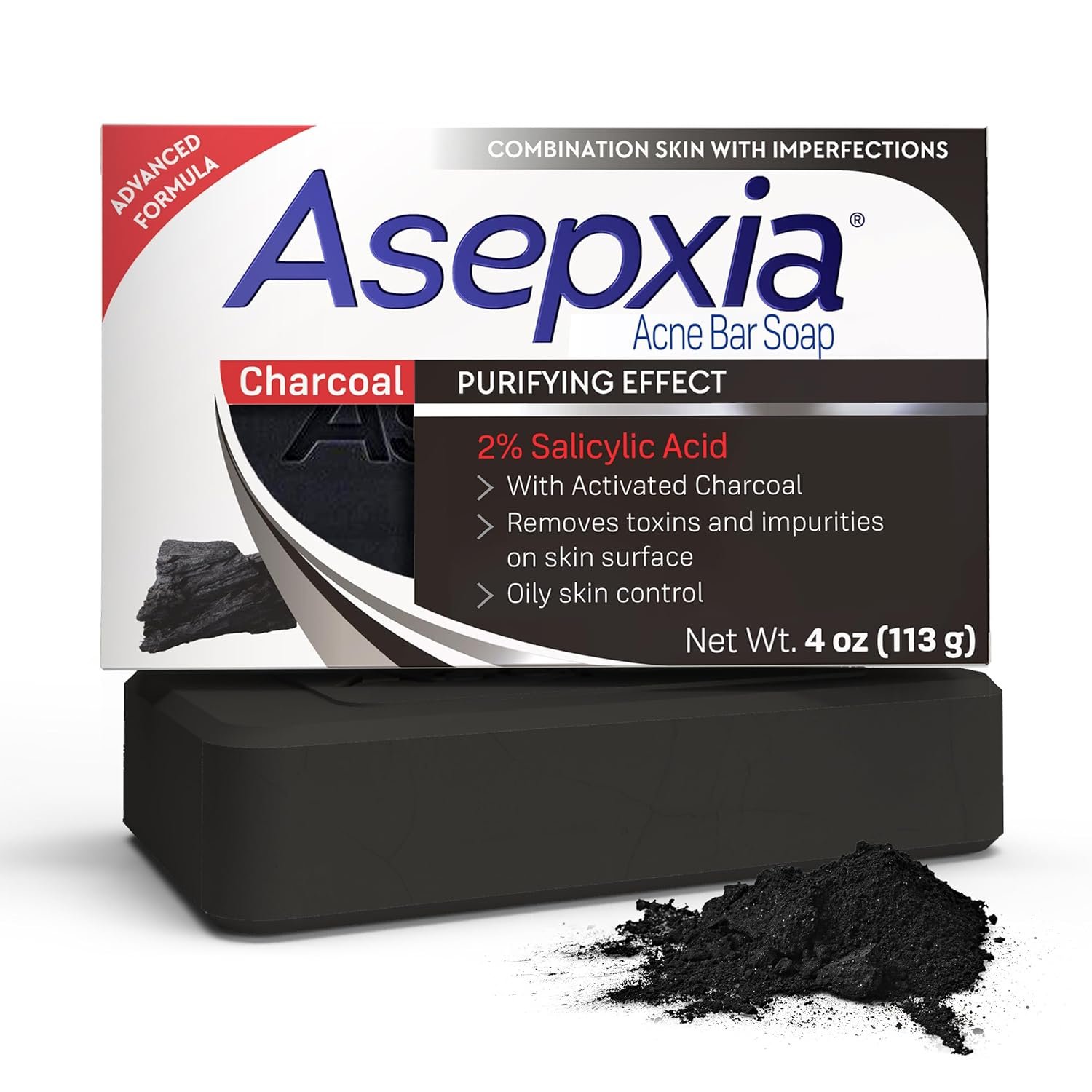
Credit: www.youtube.com
Choosing The Right Strength
Not all skin types need the same strength. Using too strong a cream can cause burning, peeling, or more redness.
Here is a simple comparison:
| Strength | Best For | Common Side Effects |
|---|---|---|
| 2.5% | Sensitive skin, first-time users | Mild dryness, little irritation |
| 5% | Most teens and adults | Dryness, mild redness possible |
| 10% | Severe or stubborn acne | Peeling, strong redness |
2.5%
5%
10%
Most studies show that 2.5% and 5% creams are almost as effective as 10% but cause less irritation. Start low and move up if you need stronger treatment.
Benzoyl Peroxide Vs Other Acne Treatments
You might wonder how benzoyl peroxide compares with other options like salicylic acid or adapalene. Each has pros and cons.
| Treatment | Main Action | Best For | Common Side Effects |
|---|---|---|---|
| Benzoyl Peroxide | Kills acne bacteria | Pimples, inflamed acne | Dryness, redness |
| Salicylic Acid | Unclogs pores | Blackheads, whiteheads | Dryness, stinging |
| Adapalene | Speeds skin renewal | All types of acne | Dryness, peeling |
Benzoyl Peroxide
Salicylic Acid
Adapalene
Some people use benzoyl peroxide in the morning and adapalene at night for better results, but always check with a doctor before combining treatments.
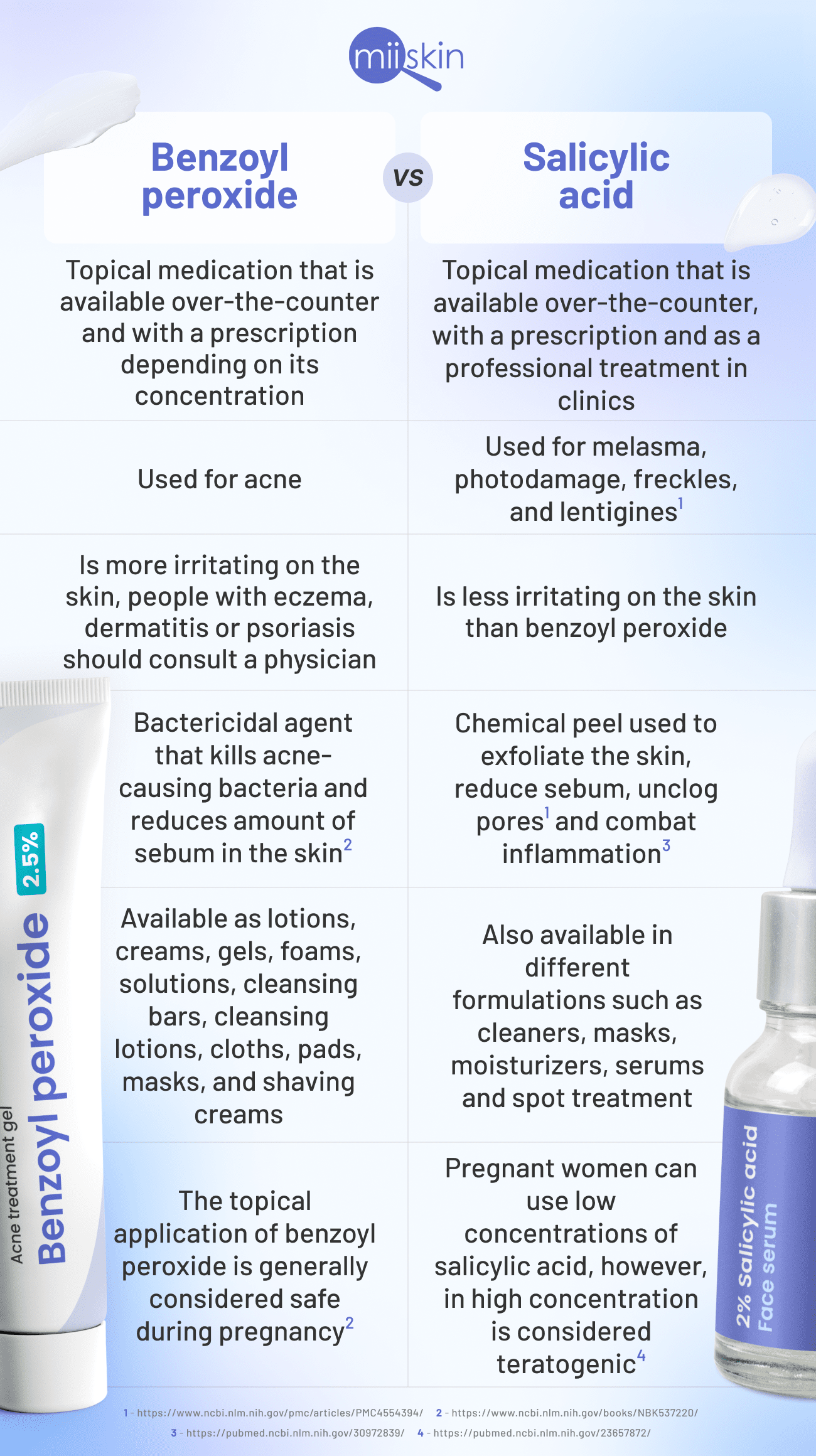
Credit: miiskin.com
Common Side Effects And How To Prevent Them
Benzoyl peroxide cream is safe for most people, but some side effects are possible, especially in the first weeks.
- Dryness and peeling: Use a gentle, fragrance-free moisturizer twice daily.
- Redness or burning: Reduce how often you use the cream. Try every other day.
- Bleaching: Benzoyl peroxide can bleach towels, sheets, and clothes. Wash hands well and let the cream dry before touching fabrics.
- Sun sensitivity: Your skin may burn easier. Always use sunscreen in the morning.
Non-obvious tip: If your skin feels tight, try using the cream after moisturizer. This reduces irritation but still helps fight acne.
What To Expect: Results And Timeline
Patience is important. Benzoyl peroxide does not clear skin overnight. Here is a realistic timeline for improvement:
| Time Using Cream | What to Expect |
|---|---|
| 1-2 weeks | Possible redness, peeling, or breakouts. Skin is adjusting. |
| 3-4 weeks | Less redness, fewer new pimples, skin starts to look smoother. |
| 6-8 weeks | Clearer skin, less acne. Most people see full results. |
1-2 weeks
3-4 weeks
6-8 weeks
If you do not see any improvement after 8 weeks, or your skin gets worse, see a dermatologist.

Credit: www.amazon.com
Mistakes To Avoid With Benzoyl Peroxide Cream
Many beginners make the same errors. Here are some mistakes and how to avoid them:
- Using too much: A thin layer is enough. More cream does not mean faster results.
- Skipping moisturizer: Dry skin gets more irritated. Always use a moisturizer.
- Mixing with harsh products: Avoid scrubs, alcohol-based toners, or other strong acne medicines unless a doctor says it is safe.
- Not wearing sunscreen: Benzoyl peroxide makes your skin sensitive to sunlight.
- Quitting too soon: Give the cream at least 6 weeks before deciding if it works for you.
Hidden tip: Apply the cream at the same time each day. This builds a habit and prevents missed doses.
When To See A Doctor
Benzoyl peroxide helps most people with mild to moderate acne. But if you see these signs, talk to a dermatologist:
- Severe swelling or pain
- Blisters or open sores
- No improvement after 8-12 weeks
- Acne covers large areas (chest, back, or body)
A doctor can suggest stronger treatments or check for other skin issues.
Frequently Asked Questions
Can I Use Benzoyl Peroxide With Other Acne Products?
Yes, you can, but be careful. Do not mix with strong products like retinoids or chemical peels unless a doctor says it is safe. Using a gentle moisturizer with benzoyl peroxide is usually fine.
How Long Should I Leave Benzoyl Peroxide Cream On?
Most creams are meant to stay on the skin, not washed off. Leave it on as directed (usually overnight or all day) unless the product says it is a “wash” formula.
Can I Use Benzoyl Peroxide Cream During Pregnancy?
Talk to your doctor first. Studies show benzoyl peroxide is probably safe, but always check before using any acne treatment during pregnancy. Learn more from trusted sources like American Academy of Dermatology.
What Should I Do If My Skin Gets Very Red Or Peels A Lot?
Cut back to using the cream every other day or stop for a few days. Use a gentle moisturizer. If irritation does not improve, see a doctor.
Does Benzoyl Peroxide Work On Body Acne?
Yes, it helps with acne on the chest, back, and shoulders. Be careful with clothing, as the cream can bleach fabrics.
Benzoyl peroxide cream is a trusted choice for clearer skin. By using it the right way and being patient, you can reduce acne and boost your confidence. Remember, gentle care and consistency are more important than using too much product.
If you ever have doubts, your doctor or dermatologist is the best guide for your skin’s needs.