Jump To Section
- What Does “clean Skin Care” Mean?
- Why Clean Skin Care Matters
- Top Clean Skin Care Brands To Know
- How To Identify A Clean Skin Care Brand
- Comparing Clean Skin Care Brands
- How To Start With Clean Skin Care
- Are Clean Skin Care Products Effective?
- Common Mistakes When Choosing Clean Skin Care
- Frequently Asked Questions

Clean skin care is more than a trend—it’s a movement. People now pay attention to what goes on their skin, not just what goes in their bodies. Brands that focus on clean ingredients, eco-friendly practices, and transparency are rising in popularity. But what does “clean” really mean, and which brands stand out? If you are looking to switch to clean skin care or want to understand what makes a brand truly clean, this guide will help you make smart choices.
What Does “clean Skin Care” Mean?
Clean skin care brands avoid ingredients that may be harmful or irritating. These brands use safe, non-toxic components and often source natural or organic materials. However, “clean” is not a legal term. Each company may have a different definition, but most avoid things like:
- Parabens
- Sulfates
- Phthalates
- Synthetic fragrances
- Formaldehyde
Some brands take it further and focus on cruelty-free, vegan, or sustainable packaging. It’s important to read labels and look for clear ingredient lists.
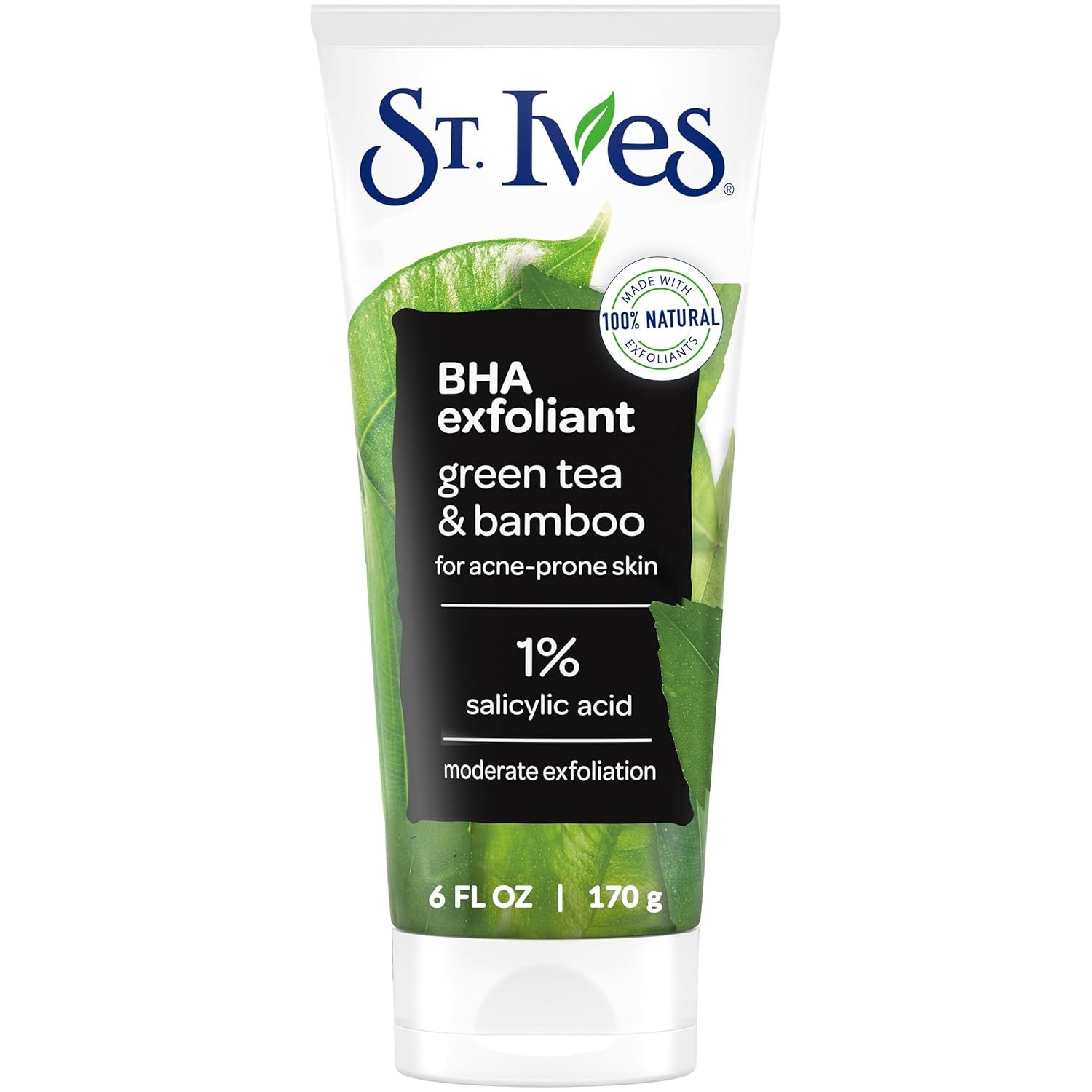
Why Clean Skin Care Matters
Your skin absorbs much of what you put on it. Harsh chemicals can cause irritation, allergies, and, in rare cases, health issues. Clean skin care aims to reduce these risks. For people with sensitive skin, clean products often cause fewer problems. Beyond personal health, many clean brands also care about the planet, using recyclable packaging and responsible sourcing.

Credit: www.hollywoodreporter.com
Top Clean Skin Care Brands To Know
The clean beauty market is growing fast. Here are some leading brands known for their safe, transparent, and effective products:
| Brand | Main Focus | Star Product |
|---|---|---|
| Biossance | Squalane-based, sustainable | Squalane + Vitamin C Rose Oil |
| Drunk Elephant | Biocompatible, non-toxic | C-Firma Fresh Day Serum |
| Herbivore Botanicals | Natural ingredients | Lapis Facial Oil |
| True Botanicals | Organic, cruelty-free | Pure Radiance Oil |
| OSEA | Seaweed-based, vegan | Ocean Cleanser |
| Beautycounter | Ingredient safety advocacy | Countermatch Adaptive Moisture Lotion |
| Youth To The People | Superfoods, sustainability | Kale + Green Tea Cleanser |
| REN Clean Skincare | Zero waste, sensitive skin | Ready Steady Glow Daily AHA Tonic |
| Tata Harper | Farm-to-face, luxury natural | Regenerating Cleanser |
| Versed | Affordable, simple formulas | Day Dissolve Cleansing Balm |
Biossance
Drunk Elephant
Herbivore Botanicals
True Botanicals
OSEA
Beautycounter
Youth To The People
REN Clean Skincare
Tata Harper
Versed
Non-obvious Insights
Many beginners believe “natural” always means safe. In reality, some natural ingredients can irritate sensitive skin. For example, essential oils in high amounts may trigger reactions. Another overlooked detail: even clean brands may include preservatives to keep products stable. These are not always harmful, but it’s smart to check for any personal triggers.
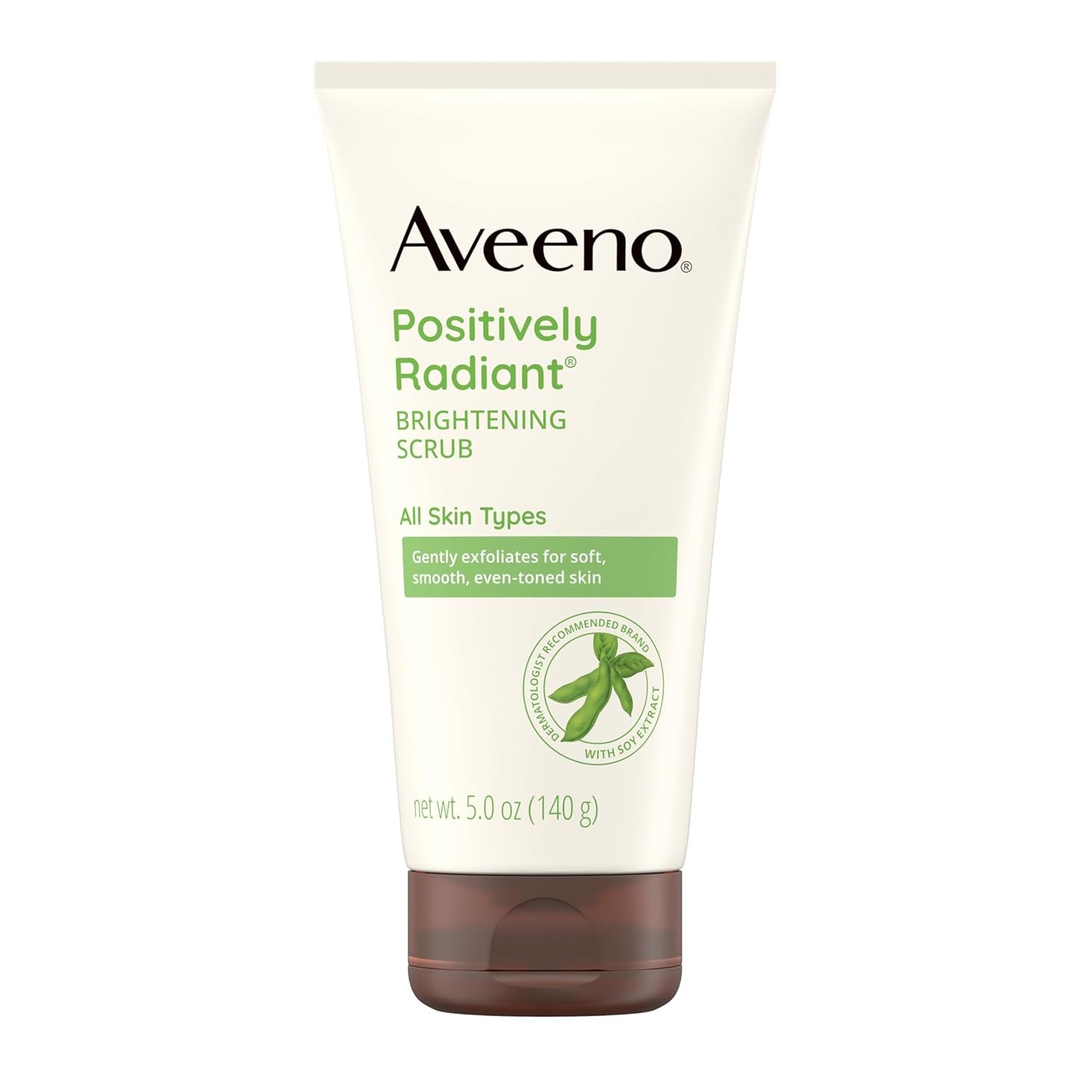
How To Identify A Clean Skin Care Brand
Not all brands claiming to be “clean” actually are. Here are signs of a truly clean brand:
- Full ingredient transparency: Real clean brands list every ingredient clearly.
- No greenwashing: Look for third-party certifications or clear definitions of their “clean” promise.
- Sustainable choices: Many clean brands use recycled packaging and avoid over-packaging.
- Cruelty-free status: Most clean brands do not test on animals.
- Ingredient sourcing: Better brands share where their ingredients come from and avoid controversial sources.
A common mistake is trusting marketing terms without checking labels. Always read the ingredient list and look for certifications like EWG Verified or Leaping Bunny.
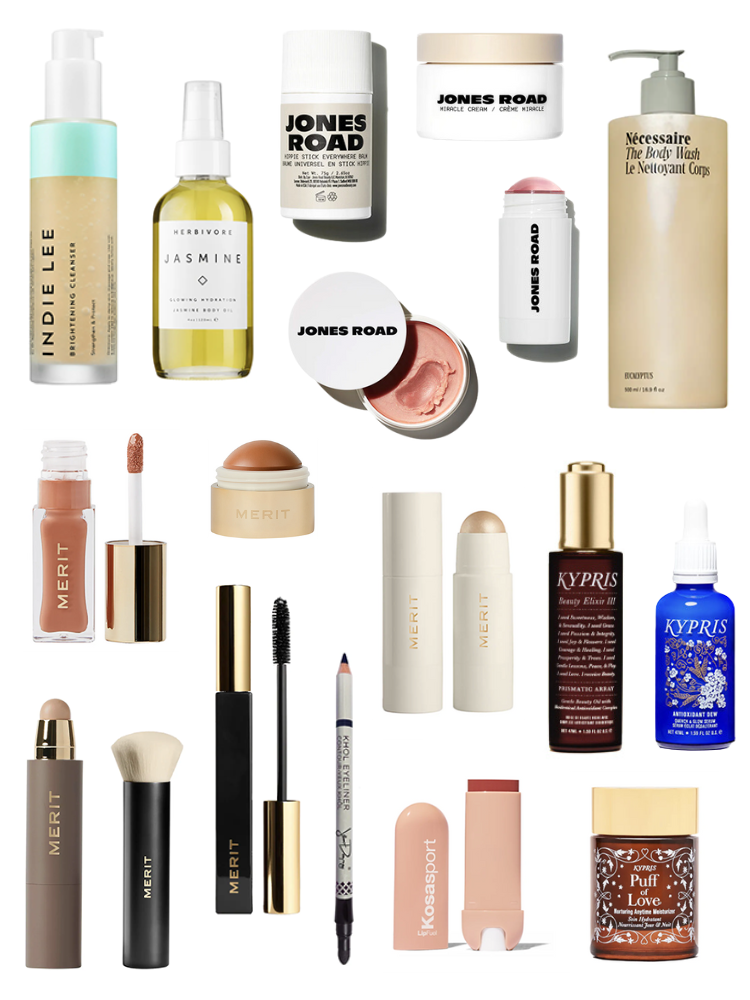
Credit: www.danielle-moss.com
Comparing Clean Skin Care Brands
With so many options, it’s helpful to compare brands on key features. Here’s a quick look at three popular brands:
| Brand | Vegan | Cruelty-Free | Eco-Friendly Packaging | Price Range |
|---|---|---|---|---|
| Biossance | Yes | Yes | Yes | Mid |
| Drunk Elephant | Most Products | Yes | Some Products | High |
| Versed | Yes | Yes | Yes | Low |
Biossance
Drunk Elephant
Versed
Notice that a higher price does not always mean better quality. Versed offers clean, effective products at a lower price than luxury brands.
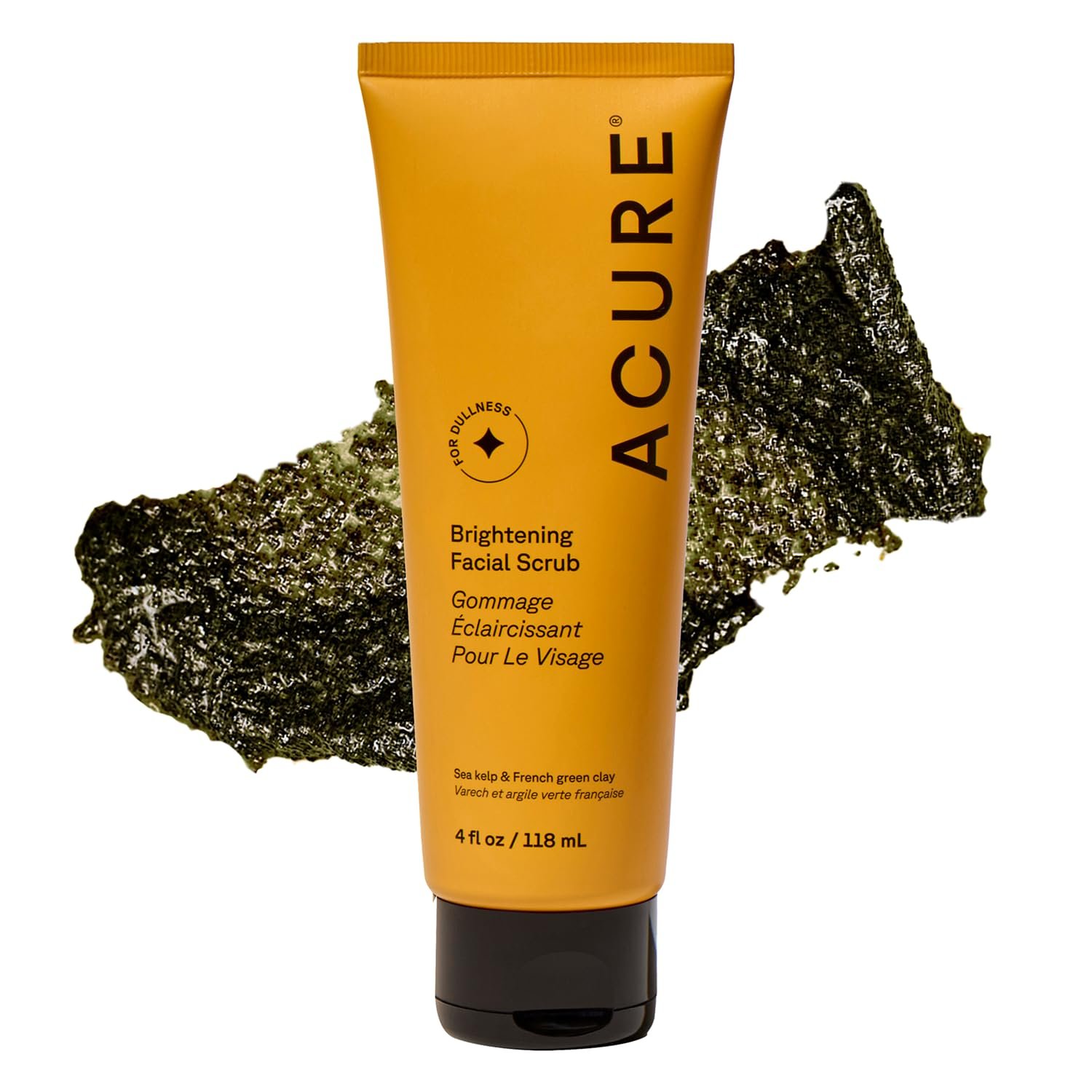
How To Start With Clean Skin Care
Switching your routine can be simple. Start with these steps:
- Replace one product at a time, starting with what you use daily (like cleanser or moisturizer).
- Patch-test new products to check for reactions.
- Check expiration dates—clean products may expire faster because of gentle preservatives.
- Track how your skin responds and adjust as needed.
Many people notice improved skin texture and fewer irritations after switching. But remember, not every clean product works for every skin type.
Credit: socialitebeauty.ca
Are Clean Skin Care Products Effective?
One myth is that clean products are less effective. In reality, many use advanced, plant-based ingredients that deliver real results. For example, squalane (from sugarcane) hydrates the skin as well as synthetic options. Brands like Tata Harper and Biossance invest in research and clinical testing.
According to a 2022 study, over 60% of clean beauty users reported improved skin within two months.
Common Mistakes When Choosing Clean Skin Care
- Trusting “natural” without reading the full ingredient list
- Ignoring the importance of patch testing
- Believing that price equals quality
- Overusing active ingredients, which can cause irritation
If you’re unsure, consult a dermatologist, especially if you have sensitive skin or allergies.
Frequently Asked Questions
What Ingredients Should I Avoid In Skin Care?
Avoid parabens, sulfates, phthalates, synthetic fragrances, and formaldehyde. These can irritate the skin or have possible health risks.
Are Clean Skin Care Products Safe For Sensitive Skin?
Most are gentler, but always patch-test first. Even natural ingredients like essential oils can cause reactions in some people.
Is “clean” The Same As “organic”?
No, organic means made from certified organic ingredients. Clean means avoiding harmful chemicals, but the ingredients may not be organic.
Do Clean Skin Care Brands Test On Animals?
The top clean brands are cruelty-free and do not test on animals. Look for the Leaping Bunny or PETA certification.
Where Can I Learn More About Clean Beauty Standards?
For detailed information, visit the Environmental Working Group. They offer ingredient safety ratings and brand guides.
Switching to clean skin care is a smart choice for both your health and the planet. With the right information and a careful approach, you can find brands and products that work beautifully for your unique skin needs.