Jump To Section
- What Are Hair Growth Serums?
- How Hair Grows: The Basics
- Types Of Hair Growth Serums
- What Science Says About Effectiveness
- What Results Should You Expect?
- Common Mistakes When Using Hair Growth Serums
- Who Should (and Should Not) Use Hair Growth Serums
- Safety And Side Effects
- Are Expensive Serums Worth It?
- Practical Tips For Choosing And Using A Serum
- Frequently Asked Questions
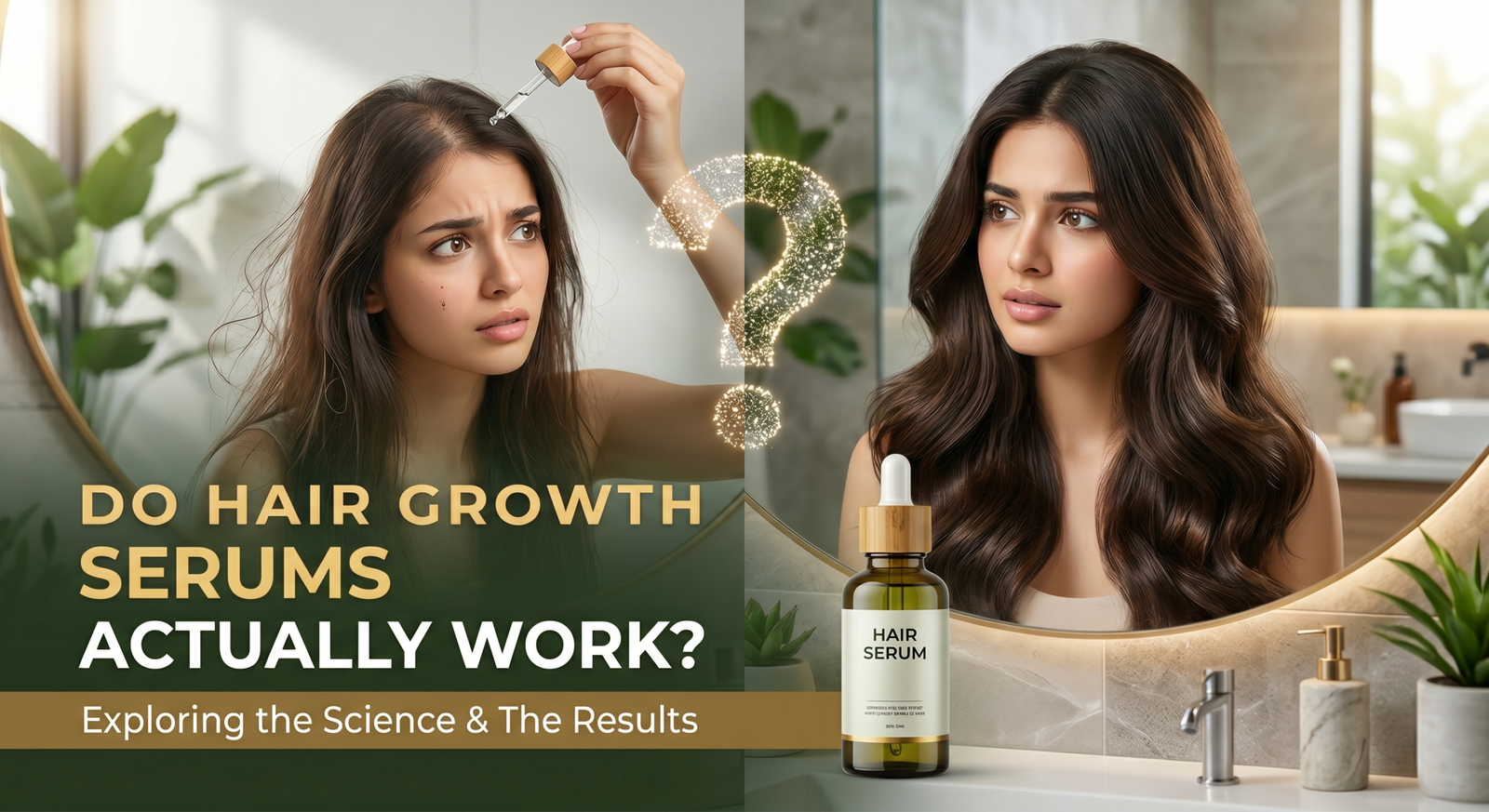
Many people dream of fuller, thicker hair. Advertisements for hair growth serums often promise amazing results, showing before-and-after photos and claiming science-based formulas. But with so many products on the market, it’s natural to wonder: do hair growth serums actually work? Understanding the science, the different types, and what results to expect can help you make a smarter choice for your hair.
What Are Hair Growth Serums?
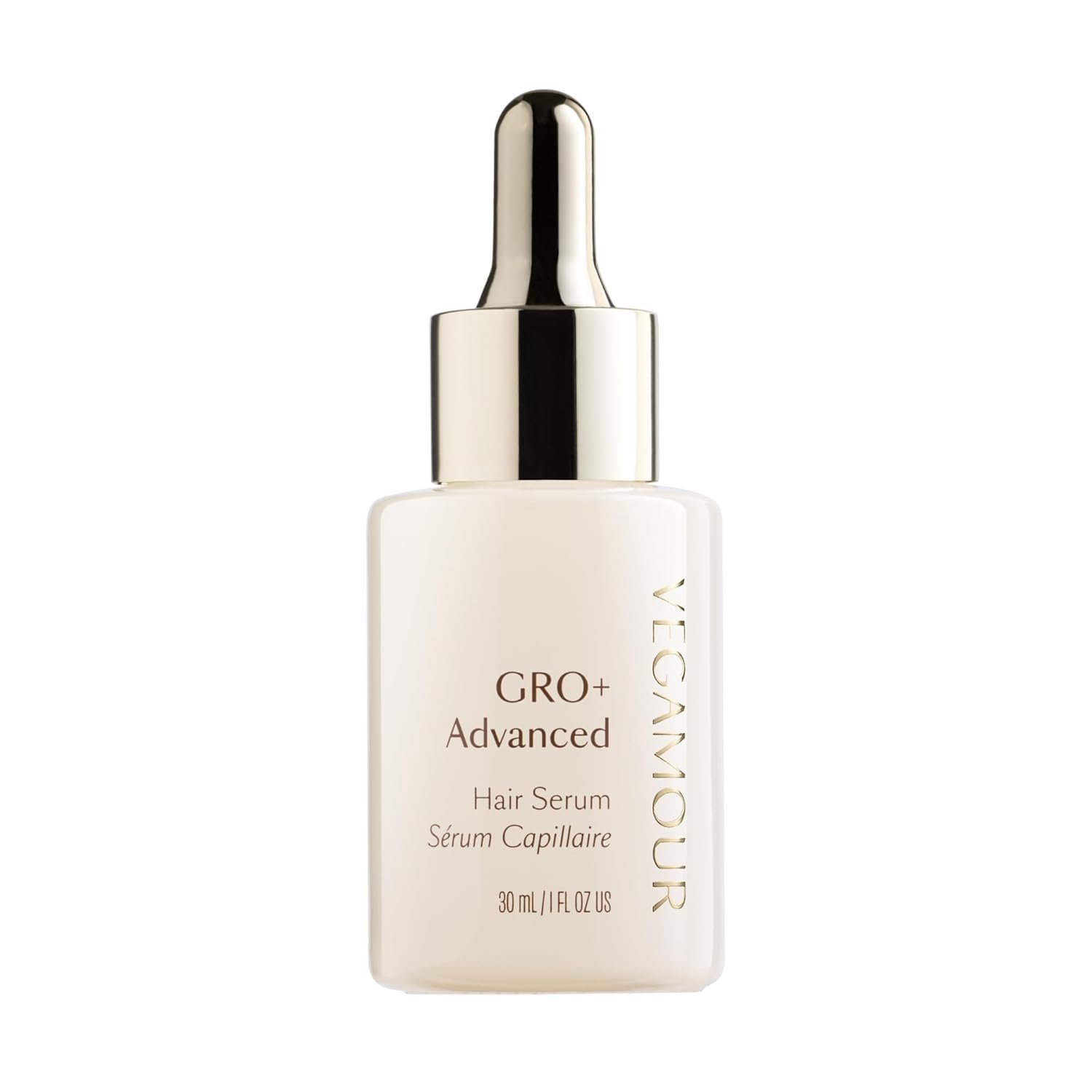
Hair growth serums are topical products you apply directly to your scalp or hair. They often contain a blend of active ingredients like vitamins, plant extracts, peptides, or even medications. The goal is to support the hair growth cycle, reduce hair loss, or make hair appear healthier and thicker.
Most serums come in liquid or gel form. You use a dropper or spray to apply them to the scalp, usually once or twice a day. The most popular brands promise visible results in a few weeks to a few months.
How Hair Grows: The Basics
Understanding how hair grows helps explain what serums can—and cannot—do. Each strand of hair goes through three main stages:
- Anagen (growth phase): Lasts 2-7 years. Hair grows about half an inch per month.
- Catagen (transition phase): Lasts a few weeks. Hair stops growing and detaches from the blood supply.
- Telogen (resting phase): Lasts 2-4 months. Old hair falls out and new hair begins to grow.
Hair loss happens when the growth phase shortens or more hairs enter the resting phase. Many serums claim to extend the growth phase or wake up resting hair follicles.
Types Of Hair Growth Serums
Not all serums work the same way. Here are the main types:
| Type | Main Ingredients | Goal |
|---|---|---|
| Prescription | Minoxidil, Finasteride | Stimulate new hair growth |
| Natural | Biotin, Caffeine, Plant Extracts | Nourish scalp, reduce shedding |
| Peptide-Based | Copper peptides, Growth factors | Support hair follicle health |
Prescription
Natural
Peptide-Based
Prescription serums usually have stronger effects but may cause side effects. Over-the-counter and natural serums are gentler but may work more slowly or only for certain people.
What Science Says About Effectiveness
The only FDA-approved topical treatment for hair growth is minoxidil. Studies show that about 40% of people see moderate hair regrowth after using minoxidil for 3-6 months. It works by widening blood vessels in the scalp, allowing more nutrients to reach hair follicles.
Other ingredients, like caffeine or biotin, have less scientific backing. Some small studies show they may help reduce hair fall or improve hair quality, but the effects are usually mild. Peptide-based serums are newer and need more research.
Here’s a quick comparison of evidence for common serum ingredients:
| Ingredient | Evidence for Hair Growth | Time to See Results |
|---|---|---|
| Minoxidil | Strong | 3-6 months |
| Biotin | Weak (helps if deficient) | 3-6 months |
| Caffeine | Moderate (early studies) | 2-4 months |
| Peptides | Unclear (needs more research) | Unknown |
Minoxidil
Biotin
Caffeine
Peptides
It’s important to note that most over-the-counter serums lack strong clinical trials. Results vary from person to person based on genetics, age, and cause of hair loss.
What Results Should You Expect?
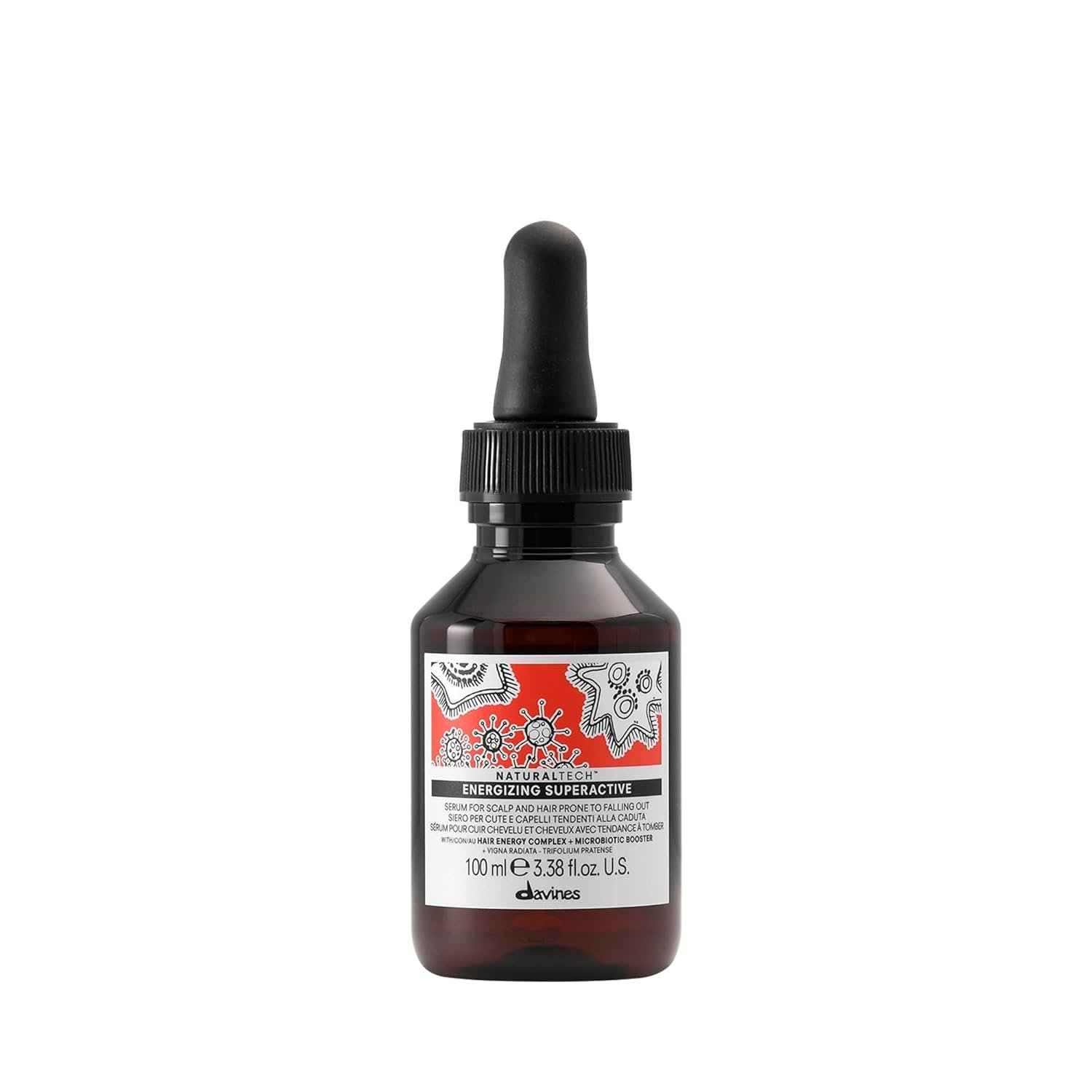
Most serums do not grow hair overnight. Visible results, if any, take 3-6 months of daily use. For some, the only benefit is less shedding or slightly thicker-looking hair. Serums work best for mild hair thinning, not for advanced baldness or scarring hair loss.
Some non-obvious insights most beginners miss:
- Consistency is critical: Missing days can slow or stop progress. Stopping the serum often causes new hair to fall out.
- Underlying causes matter: Serums cannot fix hair loss from thyroid disease, severe stress, or poor nutrition. If you do not address these issues, serums may not help.
Common Mistakes When Using Hair Growth Serums
Many people make errors that reduce a serum’s chance of success:
- Not reading instructions: Using too much or too little serum can affect results.
- Giving up too soon: Most serums need months, not weeks, to show results.
- Ignoring scalp health: Dirty or inflamed scalps block absorption. Always apply to clean, dry skin.
- Expecting miracles: Serums are not hair transplants. They cannot regrow hair in completely bald areas.
- Mixing too many products: Combining multiple serums or oils can irritate the scalp or reduce effectiveness.
Who Should (and Should Not) Use Hair Growth Serums
You may benefit from a serum if you have:
- Mild to moderate thinning
- Early-stage male or female pattern baldness
- Temporary shedding from stress or diet changes
You may not see results if you have:
- Complete bald patches (especially for many years)
- Scarring (permanent) hair loss
- Serious medical conditions causing hair loss
For best results, consult a dermatologist before starting any new treatment. They can diagnose the cause and suggest the best approach.
Safety And Side Effects
Most serums are safe when used as directed. Possible side effects include:
- Scalp irritation: Redness, itching, or flakes, especially with alcohol-based products.
- Unwanted hair growth: If serum drips onto the face or neck.
- Allergic reactions: Rare, but possible with herbal ingredients.
Prescription serums like minoxidil may cause more noticeable side effects, such as rapid heartbeat or swelling. Always do a patch test before full use.
Are Expensive Serums Worth It?
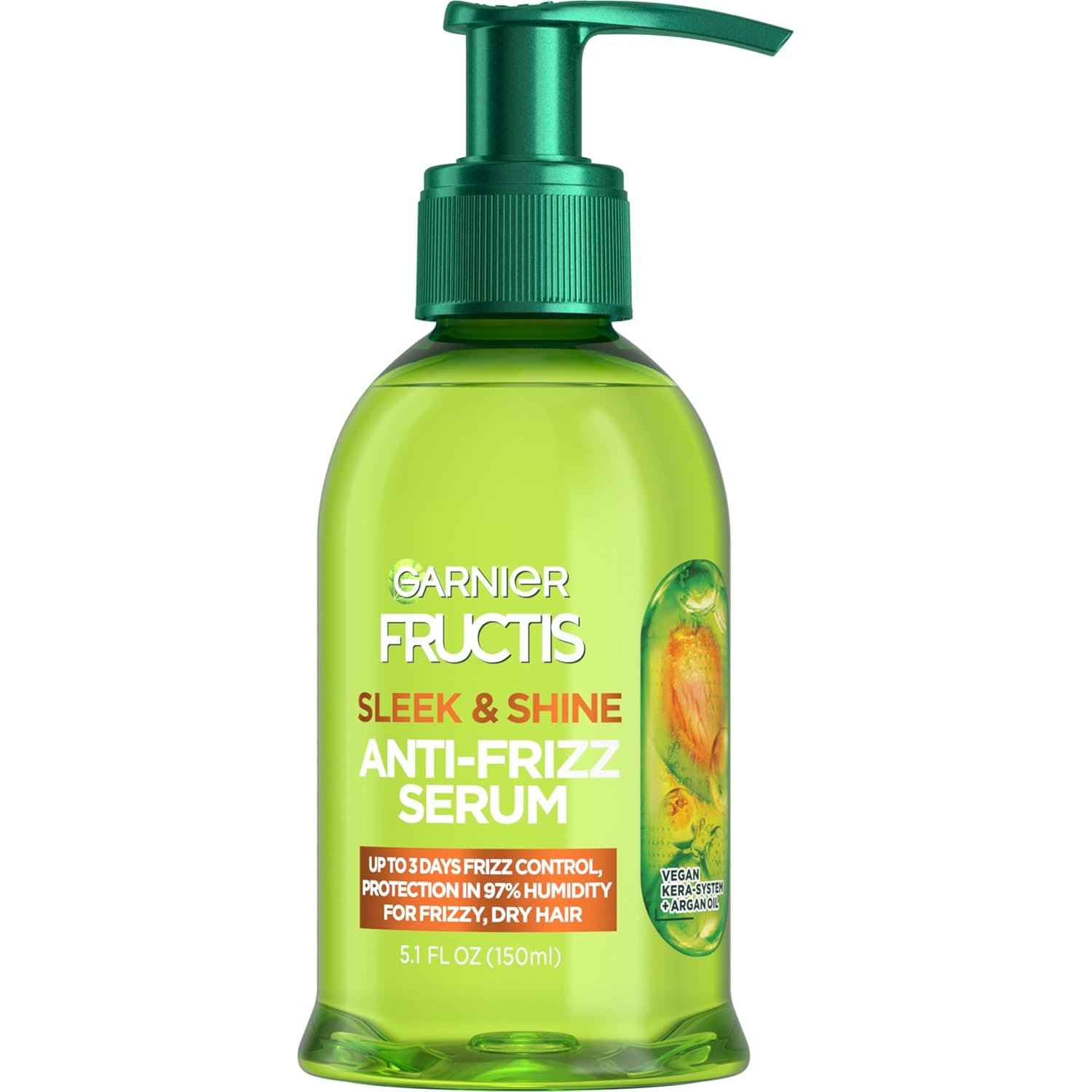
More expensive does not always mean more effective. Many pricey serums have similar ingredients to cheaper versions. It’s important to check the active ingredients and look for evidence, not just branding.
For example, a $20 serum with minoxidil works the same as a $60 one with the same concentration. Some brands charge more for packaging or added “natural” ingredients that may not make a difference.
Practical Tips For Choosing And Using A Serum
- Read reviews from real users, not just the company’s website.
- Choose serums with clear ingredient lists and instructions.
- Stick to one serum at a time for 3-6 months before judging results.
- Take photos monthly to track progress.
- Consider combining a serum with a gentle shampoo and scalp massage.
If you want to learn more about the science behind hair growth, visit the National Institutes of Health.
Frequently Asked Questions
How Long Does It Take To See Results From Hair Growth Serums?
Most people need to use a serum for at least 3-6 months before noticing new hair growth or less shedding. Results are usually slow and gradual.
Can Hair Growth Serums Regrow Hair On Completely Bald Spots?
No, most serums cannot regrow hair on areas that are completely bald or have been bald for a long time. They work best for thinning hair or recent hair loss.
Are Natural Hair Growth Serums Effective?
Some natural serums may help reduce shedding or improve scalp health, but their effect on real hair growth is usually mild. Results vary between people.
What Should I Do If I Experience Side Effects?
Stop using the serum and wash your scalp with gentle shampoo. If the reaction is severe or does not go away, see a doctor or dermatologist.
Do I Have To Use Hair Growth Serums Forever?
Most serums only work while you use them. If you stop, new hair may fall out, and hair loss can return. Long-term use is often needed to maintain results.
When choosing a hair growth serum, remember that results take time, and no product works for everyone. Being patient, consistent, and realistic about what to expect can help you find the best solution for your hair.