Jump To Section
- How The Scalp And Hair Follicles Work
- What Causes A Clogged Scalp?
- Can A Clogged Scalp Cause Hair Loss?
- Signs Your Scalp May Be Clogged
- How To Prevent And Fix A Clogged Scalp
- Common Myths About Clogged Scalp And Hair Loss
- When To See A Specialist
- Practical Tips For Healthy Scalp And Hair
- Real-world Data And Research
- Frequently Asked Questions
Many people worry about hair loss and often search for reasons behind thinning or falling hair. One question that comes up is: Does a clogged scalp cause hair loss? The simple answer is that scalp clogging can contribute to hair loss, but it is not always the main reason. Understanding how the scalp works, what causes it to get clogged, and how this affects hair health is important. If you are seeing more hair on your pillow or in the shower, learning about scalp health could help you find solutions and protect your hair.
How The Scalp And Hair Follicles Work
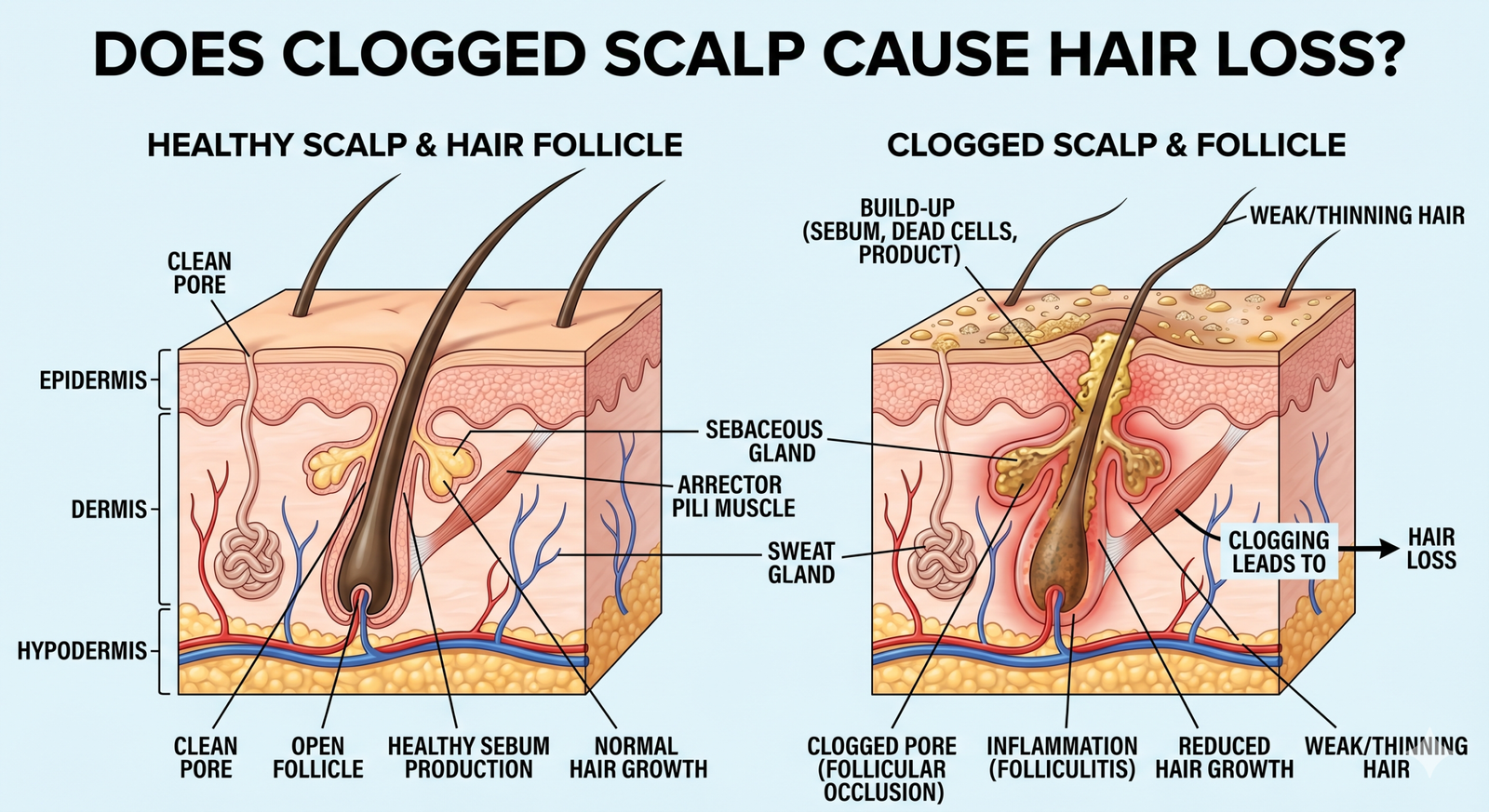
Your scalp is more than just skin covering your head. It has many hair follicles, which are tiny openings where hair grows. Each follicle has a sebaceous gland that produces sebum—an oily substance that protects and moisturizes both your hair and scalp. When these follicles get blocked, it can change the way your hair grows.
A blocked follicle cannot “breathe” well. This can make it difficult for new hair to push through, causing hair to grow weaker or even stop. The clog can also trap oil and dead skin, leading to scalp irritation or infection.
What Causes A Clogged Scalp?
There are several reasons the scalp can become clogged:
- Sebum Overproduction: Some people’s glands make too much oil, which can mix with dead skin and block follicles.
- Product Buildup: Using heavy hair products like gels, sprays, or oils without washing properly can leave residue.
- Dead Skin Cells: The scalp naturally sheds skin cells. If they are not washed away, they can build up.
- Environmental Factors: Pollution and dust can stick to the scalp, especially if hair is not cleaned regularly.
- Medical Conditions: Skin problems like seborrheic dermatitis or psoriasis can add to clogging.
Below is a simple comparison between healthy and clogged scalp conditions:
| Condition | Healthy Scalp | Clogged Scalp |
|---|---|---|
| Oil Balance | Normal sebum production | Excess oil and residue |
| Follicle Health | Open, unobstructed | Blocked or irritated |
| Hair Growth | Strong, steady | Weak, slow, or falling |
Oil Balance
Follicle Health
Hair Growth
Can A Clogged Scalp Cause Hair Loss?
A clogged scalp can contribute to hair loss, especially if the problem continues over time. The main ways it does this include:
- Blocking Hair Follicles: New hair cannot grow out well, leading to thinning.
- Inflammation: Clogs can irritate the skin, causing redness or swelling, which harms follicles.
- Infections: Blocked pores are good places for bacteria or fungus to grow, making the problem worse.
However, not all hair loss comes from a clogged scalp. Genetics, hormones, stress, and some health conditions also play a big role. Still, if you already have a genetic risk for hair loss, a clogged scalp can make it worse.
Signs Your Scalp May Be Clogged
It is not always easy to tell if your scalp is clogged. Some signs include:
- Oily or sticky feeling on the scalp, even after washing
- Itchiness or flaking
- Small bumps or pimples
- Dull, flat-looking hair
- Slower hair growth or more hair falling out than usual
If you notice these signs, it is a good idea to check your hair care routine.
How To Prevent And Fix A Clogged Scalp
You can take steps to keep your scalp clear and healthy. Here are some effective methods:
- Wash Regularly: Find a balance—too much washing can dry out your scalp, but too little lets oil and product build up.
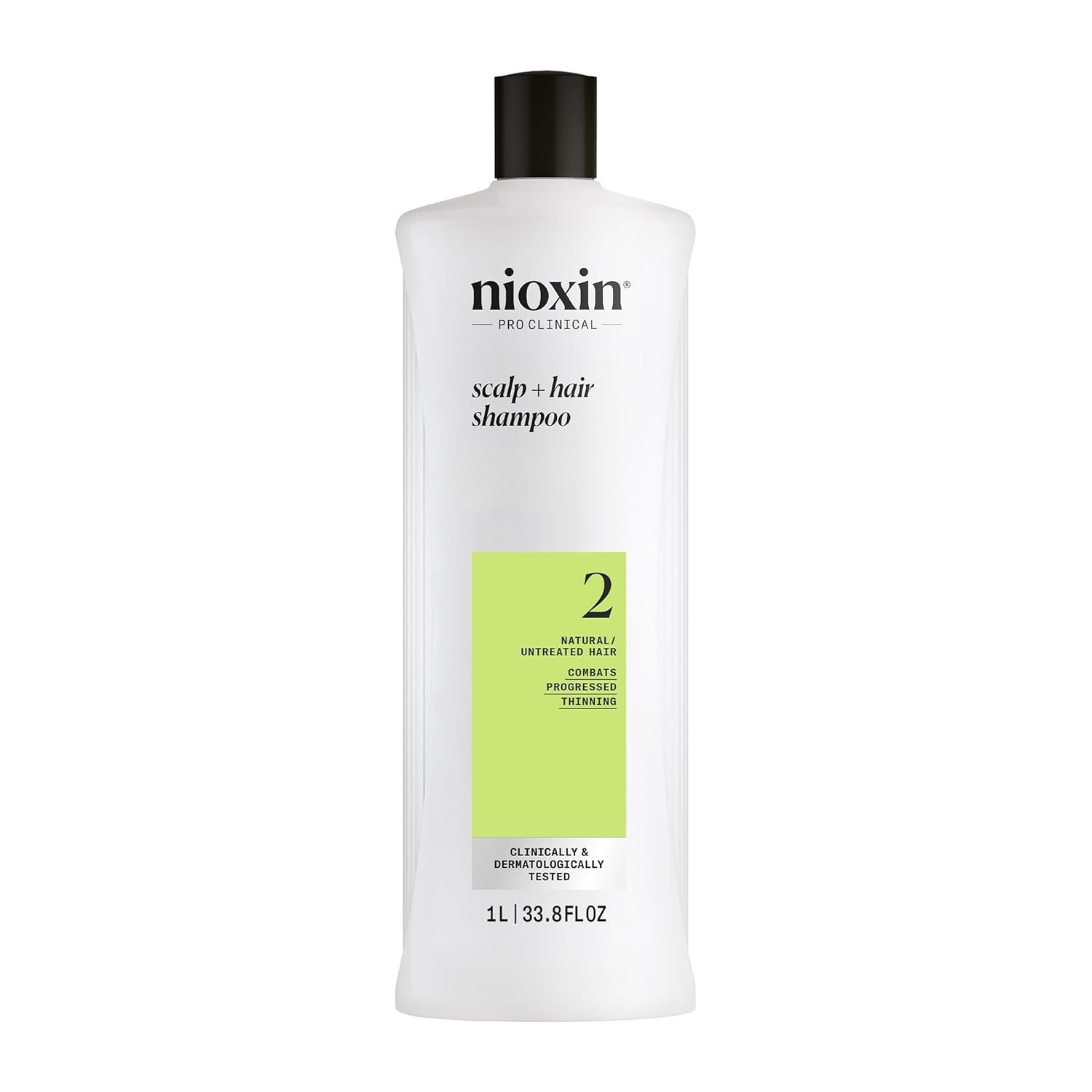
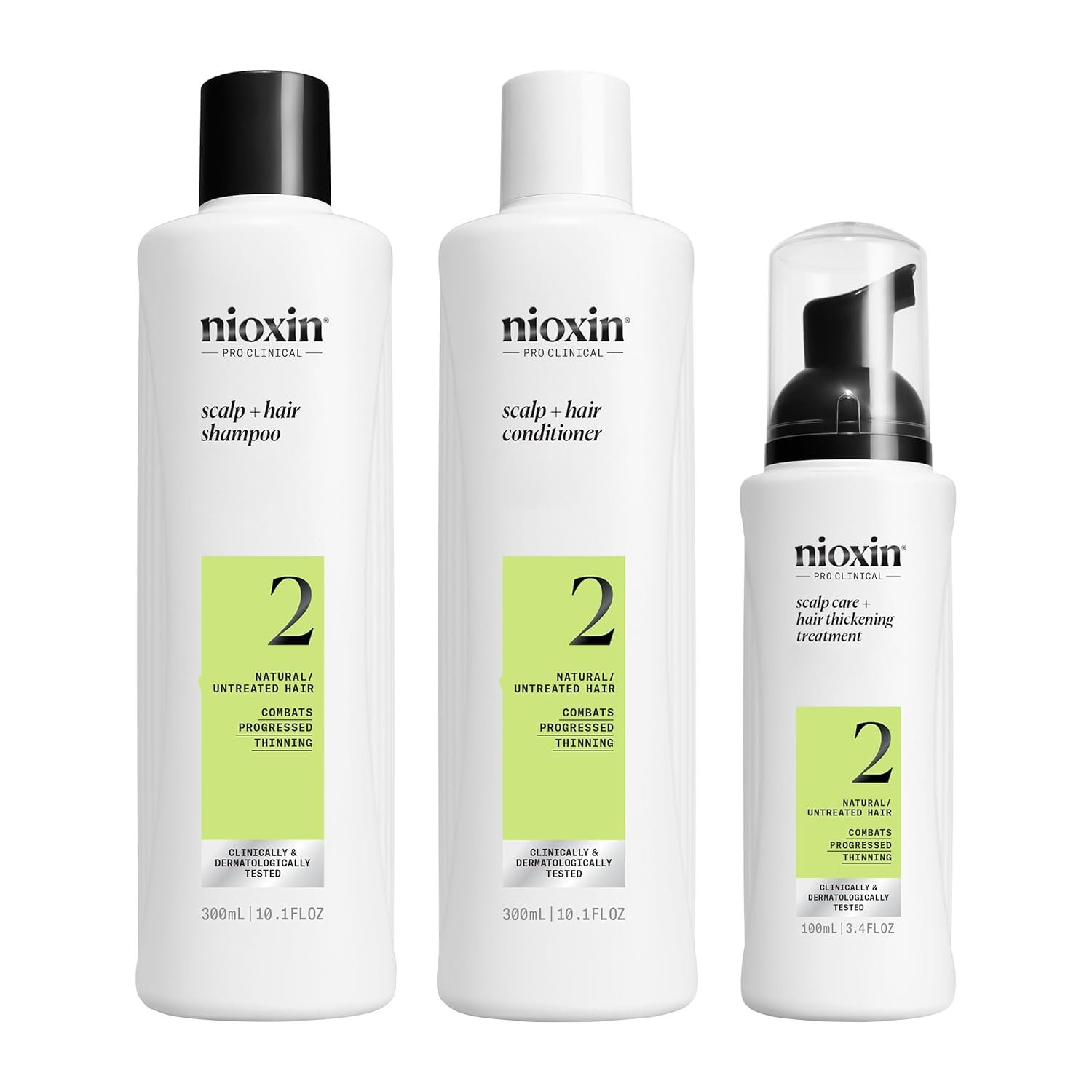
- Use the Right Shampoo: Choose a gentle shampoo that matches your hair type. Clarifying shampoos can help remove heavy buildup but should not be used every day.
- Exfoliate the Scalp: Special scalp scrubs or brushes can lift away dead skin and residue.
- Limit Heavy Products: Avoid using too many styling products or oils. If you do use them, make sure to wash them out completely.
- Eat a Balanced Diet: Foods rich in vitamins and minerals, especially zinc and vitamin A, support healthy skin and hair.
- Protect from Pollution: Wear a hat in dusty or polluted places and wash your hair after exposure.
Here is a quick look at how often you may need to wash your hair based on hair type:
| Hair Type | Washing Frequency |
|---|---|
| Oily | Every 1–2 days |
| Normal | Every 2–3 days |
| Dry/Curly | Every 3–5 days |
Oily
Normal
Dry/Curly
Common Myths About Clogged Scalp And Hair Loss
There are a few myths about this topic:
- Myth 1: Only dirty hair gets clogged. In reality, even people who wash daily can get clogged follicles if they use heavy products or have oily skin.
- Myth 2: Clogged scalp is the only cause of hair loss. Most hair loss is genetic or hormonal, but scalp health is still important.
- Myth 3: Any itching means hair loss is coming. Itching can have many causes and does not always mean you will lose hair.
When To See A Specialist
If you are losing a lot of hair and nothing seems to help, it is smart to see a dermatologist. They can check for skin conditions, infections, or other health problems. Sometimes, hair loss is a sign of something more serious.
A dermatologist may use a special tool called a trichoscope to look at your scalp closely. They might also suggest lab tests if they think hormones or other issues are involved.
Practical Tips For Healthy Scalp And Hair
- Massage your scalp gently when shampooing to boost blood flow.
- Use lukewarm, not hot, water when washing hair to avoid drying out the scalp.
- Let your hair air dry when possible, as heat styling can worsen scalp problems.
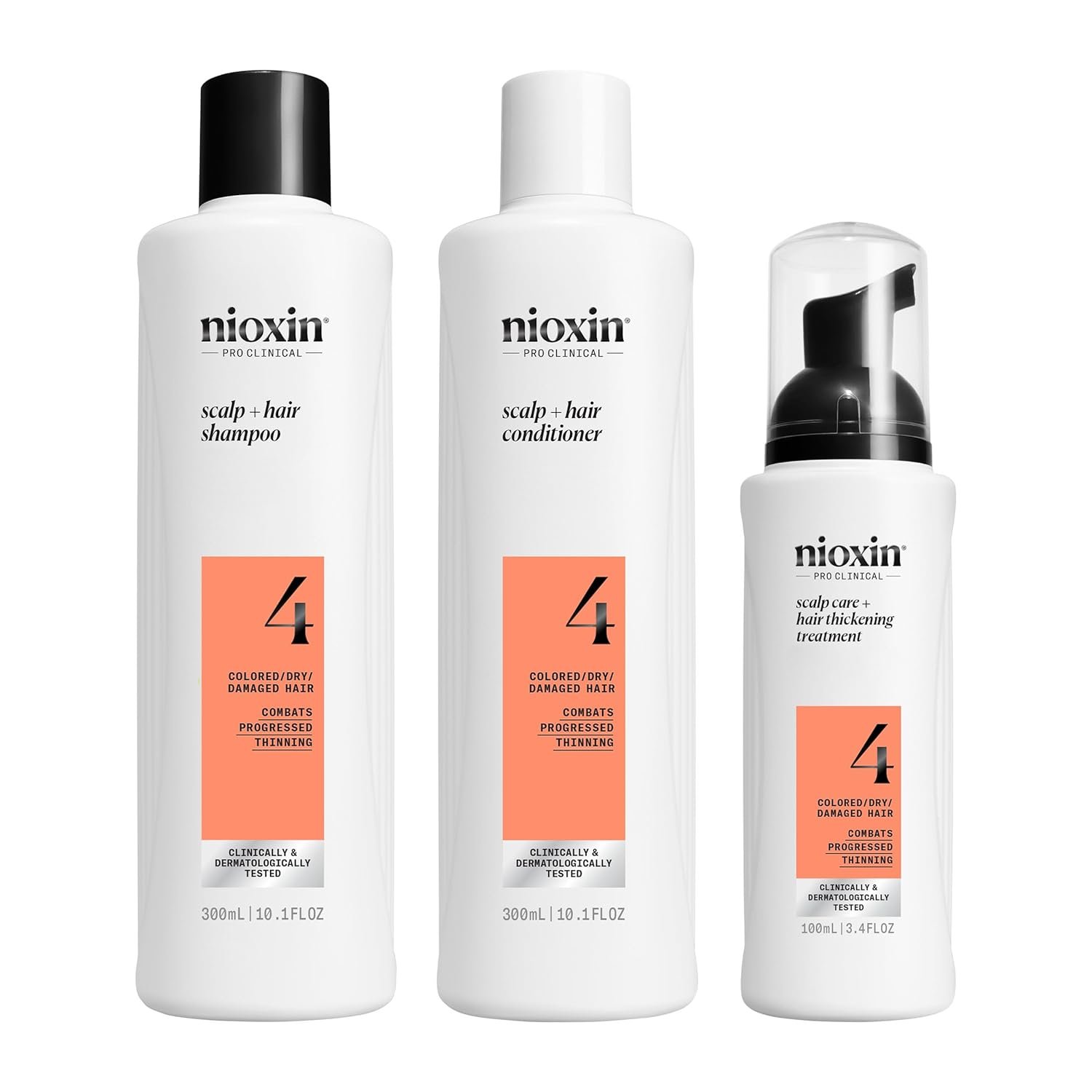
- Choose hair products labeled “non-comedogenic” (they do not block pores).
- Drink enough water daily to support skin health.
Real-world Data And Research
A study published by the International Journal of Trichology found that people with seborrheic dermatitis (a common scalp condition) were more likely to have hair thinning. Another report by the American Academy of Dermatology says that keeping the scalp free of excess oil and dead skin supports better hair growth.
You can read more about scalp health and hair loss from the American Academy of Dermatology.
Frequently Asked Questions
Does Washing Hair Too Often Cause Scalp Clogging?
Washing hair too often can dry out the scalp, but it usually does not cause clogging. Clogging happens more from leftover products or excess oil. Try to wash your hair just enough to keep it clean without irritating your scalp.
Can Clogged Scalp Lead To Permanent Hair Loss?
Most hair loss from clogged scalp is temporary. Once the scalp is cleaned and cared for, hair usually grows back. However, if clogging leads to infection or long-term inflammation, there can be lasting damage.
Are Natural Oils Safe For The Scalp?
Natural oils like coconut oil or jojoba oil can help moisturize the scalp. However, using too much or not washing them out can lead to clogging. Use them in small amounts and clean your hair well.
How Can I Tell If A Hair Product Is Clogging My Scalp?
If you notice more oil, itching, or bumps after starting a new product, it could be blocking your follicles. Look for products labeled as “non-comedogenic” or “for sensitive scalp” to reduce this risk.
Is Hair Loss From Clogged Scalp Common?
It is fairly common, especially in people who use a lot of styling products or have oily skin. However, it is usually one factor among many that can cause hair loss.
A healthy scalp is the foundation for strong hair. Paying attention to your scalp and using the right care can lower your risk of clogged follicles and hair loss. If problems continue, do not hesitate to seek advice from a professional.