Jump To Section
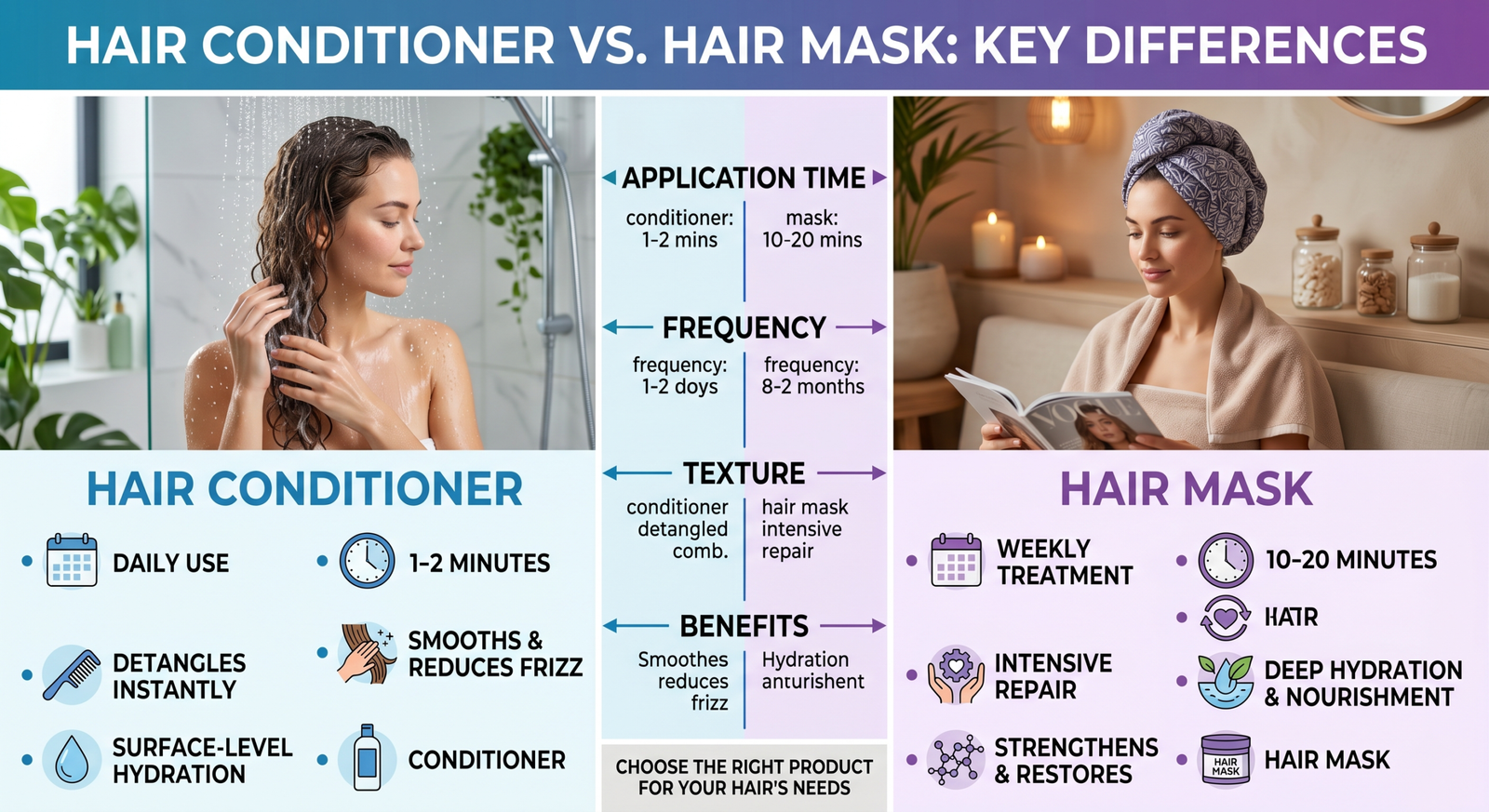
Many people want healthy, shiny hair but get confused by all the products available. Two common choices are hair conditioner and hair mask. At first glance, they might seem similar. Both are creamy treatments you use after shampooing. But they have unique roles in your hair care routine. Knowing the difference can help you get the best results for your hair type.
This guide explains how hair conditioner and hair mask work, their main differences, and when to use each one. You’ll also find tips to choose the right product, practical examples, and answers to the most common questions.
What Is Hair Conditioner?
A hair conditioner is a product used after shampoo. Its main job is to make hair softer, smoother, and easier to manage. Conditioners coat the surface of each hair strand, giving instant results.
Most conditioners contain:
- Moisturizers like oils or silicones
- Cationic surfactants that help spread the product
- Proteins to add strength
- Fragrances for a pleasant smell
Conditioners are made for daily or regular use. You apply, leave for 1-3 minutes, and rinse out. They help with detangling, reduce frizz, and add shine.
What Is A Hair Mask?
A hair mask is a deeper treatment. It is usually thicker and richer than a conditioner. Masks are designed to repair, hydrate, and nourish hair from the inside out.
Hair masks contain higher levels of:
- Natural oils (like argan, coconut, or olive)
- Butters (shea or mango)
- Proteins and amino acids
- Vitamins and extracts
You use a hair mask less often—usually once a week or as needed. Masks are left on the hair for 10-30 minutes, sometimes longer, so ingredients have time to penetrate deeply.
Key Differences Between Hair Conditioner And Hair Mask
Understanding the difference between these two products can make a big impact on your hair health. Here’s a closer look:
| Feature | Hair Conditioner | Hair Mask |
|---|---|---|
| Purpose | Daily moisture & detangling | Deep repair & nourishment |
| Texture | Light & creamy | Thick & rich |
| Application Time | 1-3 minutes | 10-30 minutes |
| Frequency | Every wash | Weekly/monthly |
| Effect | Surface smoothing | Deep repair |
Purpose
Texture
Application Time
Frequency
Effect
Application Process
- Conditioner: After shampooing, squeeze out excess water, apply conditioner from mid-length to ends, wait 1-3 minutes, and rinse.
- Hair Mask: Shampoo and towel-dry hair, apply mask generously, leave for up to 30 minutes, and rinse thoroughly.
Depth Of Treatment
Conditioners work mainly on the outer layer of hair (the cuticle). They help with instant smoothness and shine. Masks penetrate deeper into the hair shaft, fixing dryness, split ends, and damage from heat or coloring.
When Should You Use Each Product?
Not everyone needs both daily. Here’s a guide to help you decide:
- Use hair conditioner:
- After every shampoo
- If your hair gets tangled easily
- For basic softness and shine
- If you have normal to oily hair
- Use a hair mask:
- Once a week or as needed
- If hair feels dry, brittle, or damaged
- After coloring, perming, or heat styling
- If you want intensive repair
Some people with very dry or curly hair may use a mask more often. If your hair is fine or gets oily fast, stick to conditioner and use a mask only when necessary.
Pros And Cons
Here’s a quick side-by-side look:
| Hair Conditioner | Hair Mask | |
|---|---|---|
| Pros |
|
|
| Cons |
|
|
Pros
Cons
Common Mistakes To Avoid
Many people use these products incorrectly, leading to poor results:
- Using too much mask: A thick layer does not always mean better results. It can cause buildup or make hair greasy.
- Skipping conditioner after a mask: Some masks need a light conditioner after use for smoothness. Always check instructions.
- Applying conditioner or mask on scalp: Unless the label says so, focus only on lengths and ends. Applying on the scalp can lead to oiliness or irritation.
- Not rinsing thoroughly: Leftover product can make hair heavy and dull.
How To Choose The Right Product For Your Hair
When picking a conditioner or mask, consider these factors:
- Hair type: Fine hair needs lightweight formulas. Thick or curly hair benefits from richer products.
- Level of damage: For split ends or breakage, look for masks with protein or keratin.
- Scalp sensitivity: Choose fragrance-free or gentle products if you have a sensitive scalp.
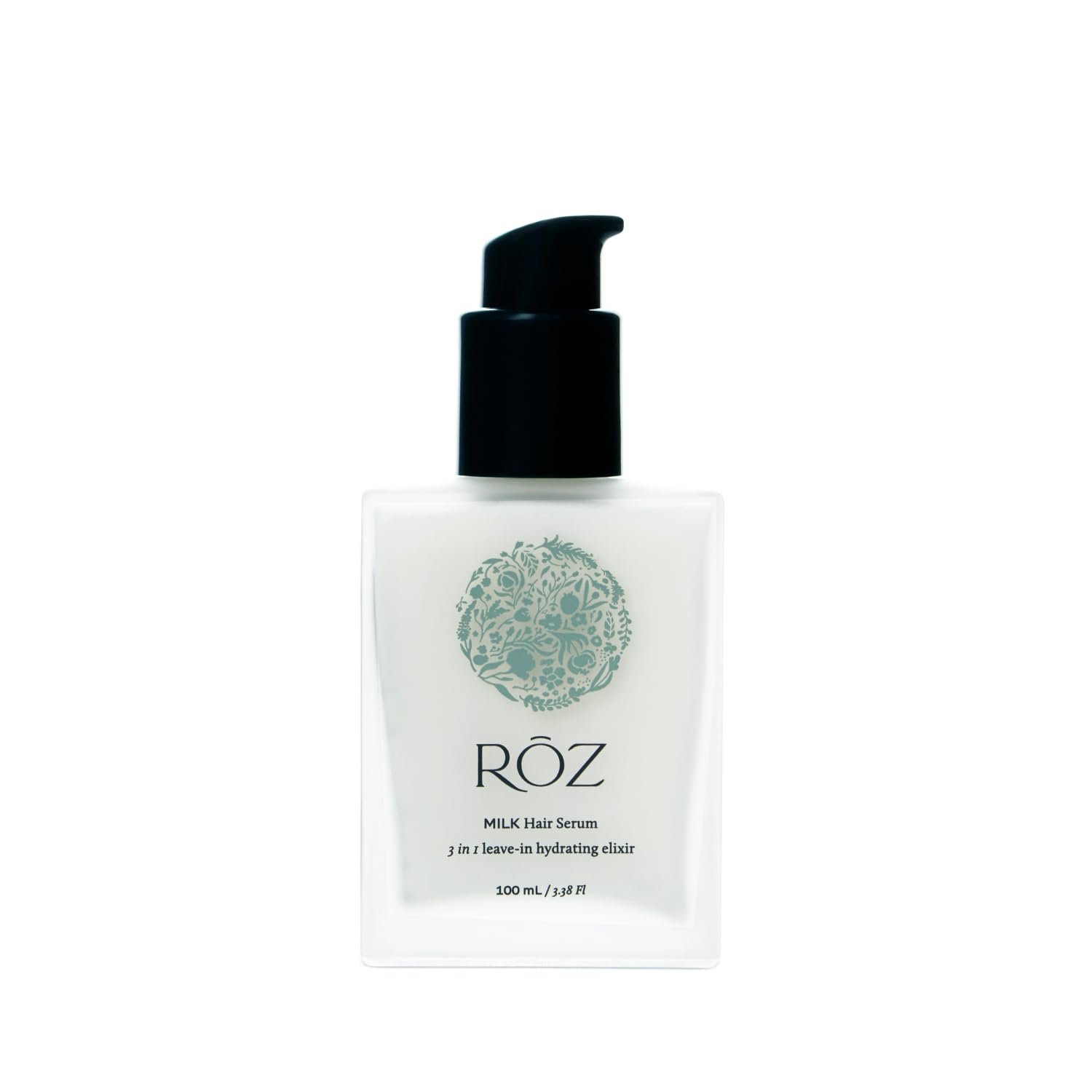
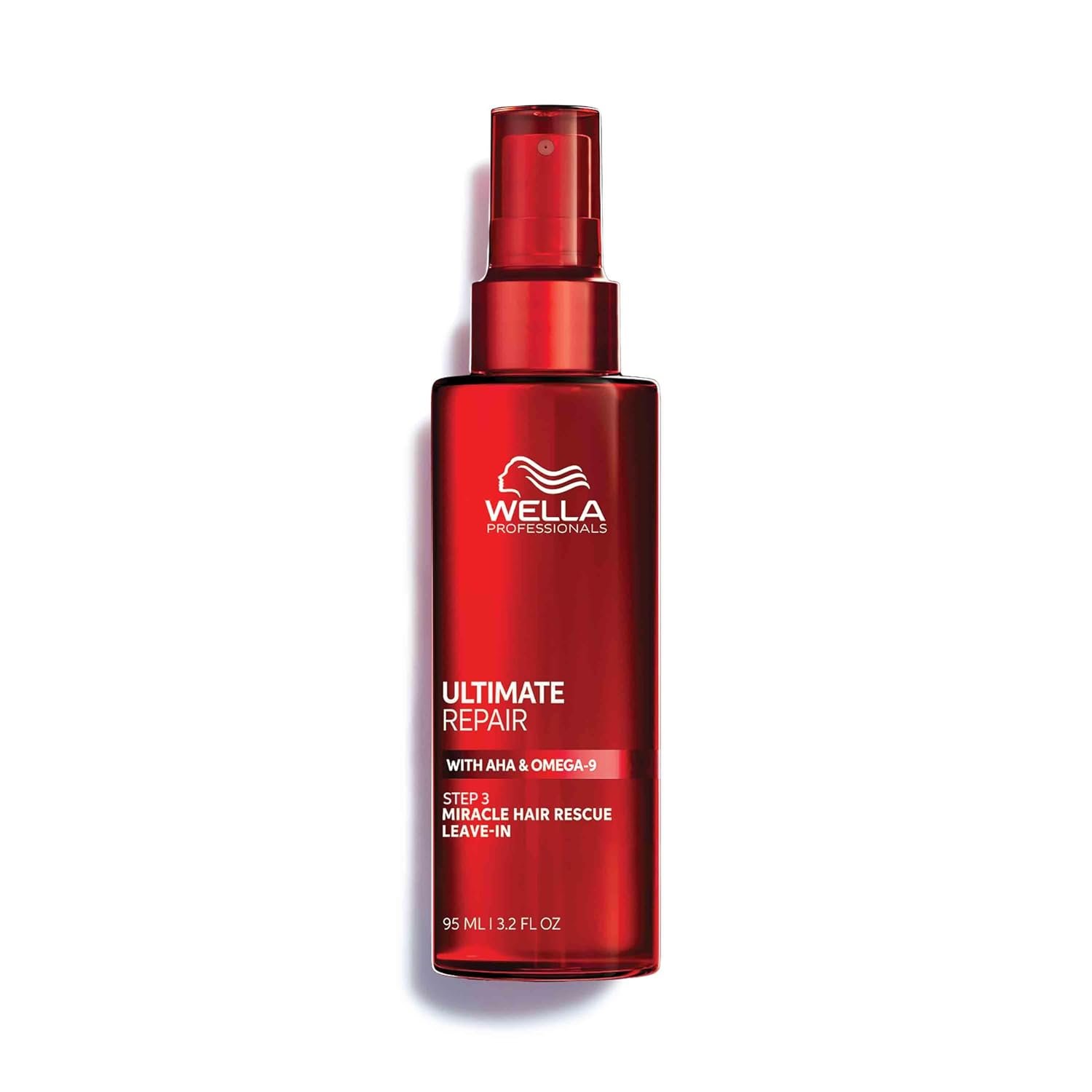
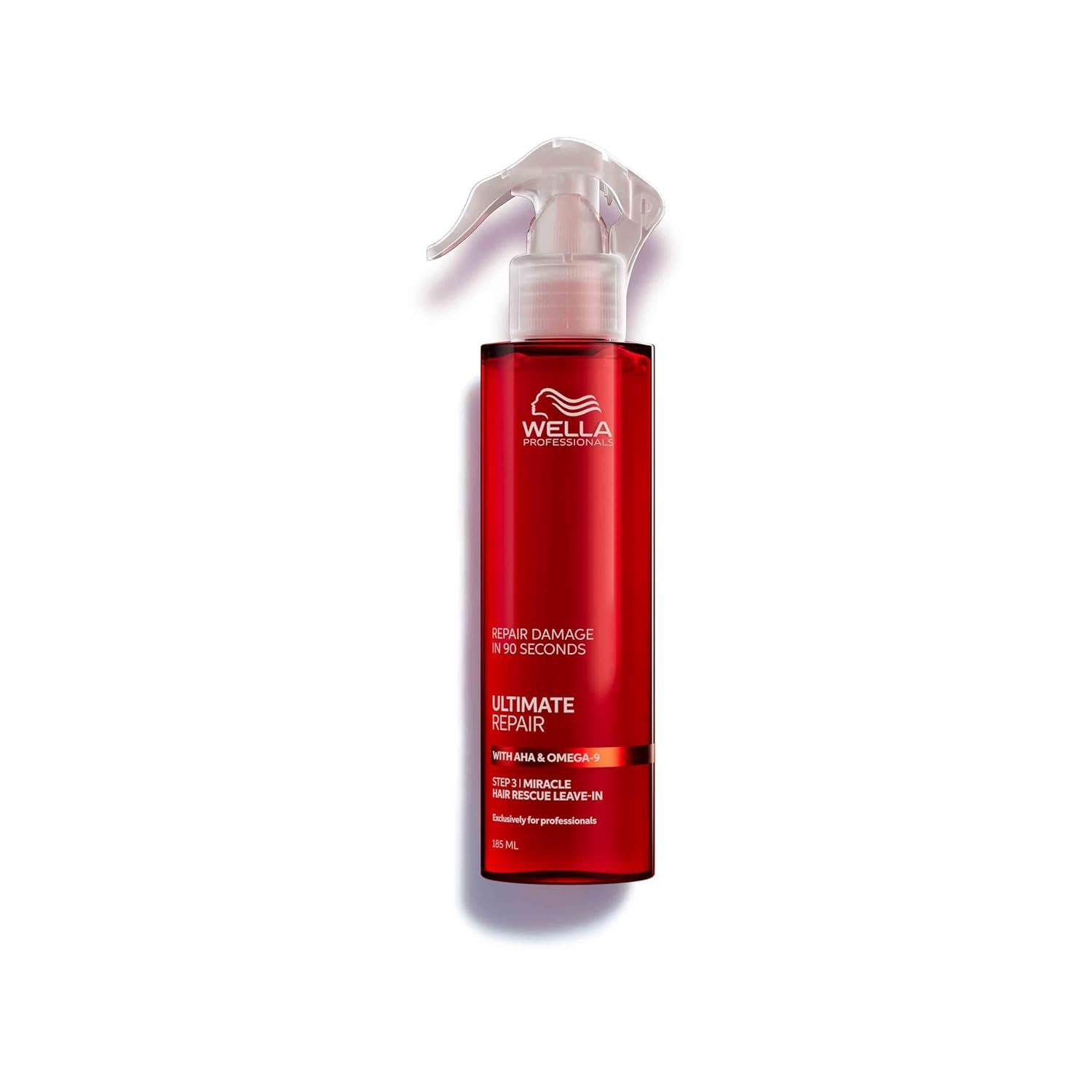
- Lifestyle: If you have little time, a leave-in conditioner may be better than a weekly mask.
A non-obvious tip: Sometimes, alternating products works best. Use conditioner most days and a mask every week for a balance between daily care and deep nourishment.
Real-life Example
Anna, who colors her hair monthly, noticed it became dry and lifeless. She started using a regular conditioner after every wash and added a hair mask once a week. Within a month, her hair was softer, shinier, and broke less during brushing.
This shows how combining both can give great results, especially for stressed hair.
Scientific Insights
Studies show that regular use of conditioners can reduce hair breakage by up to 79%. Hair masks with ingredients like coconut oil can decrease protein loss, making them especially good for damaged or chemically treated hair. For more details, you can check the research on the Wikipedia Hair Conditioner page.
Frequently Asked Questions
What Happens If I Use A Hair Mask Instead Of Conditioner?
A hair mask is stronger than a conditioner. Using it every time you wash your hair can make hair heavy or greasy, especially if your hair is fine. Use a mask as a special treatment, not a daily replacement.
Can I Leave A Hair Mask On Overnight?
Some masks are safe for overnight use, but most are not. Too much time can cause product buildup or scalp irritation. Always follow the label instructions. For deep repair, 20-30 minutes is usually enough.
Do I Need Both A Conditioner And A Hair Mask?
Most people benefit from using both. Conditioner is for regular care and detangling, while a hair mask gives deep repair when your hair needs extra help. Combining both gives balanced results.
Can I Use A Conditioner As A Hair Mask?
Conditioners are lighter and do not have the same repairing power as masks. If you leave conditioner on longer, it may help a little, but it will not give the same deep nourishment as a mask.
Which One Is Better For Frizzy Hair?
Both can help, but a hair mask is usually more effective for frizz. Look for masks with oils or butters designed for smoothing and hydration. Use along with your regular conditioner for best results.
Making the right choice between a hair conditioner and a hair mask depends on your hair needs and lifestyle. Both play important roles in a healthy hair care routine. By understanding the differences and using each product correctly, you can enjoy softer, shinier, and stronger hair every day.