Jump To Section

Hair Thickening Vs Hair Regrowth Differences
Many people want fuller, healthier hair. But when you search for solutions, you often see two terms: hair thickening and hair regrowth. They sound similar, but they are very different concepts. Understanding these differences can help you choose the right products or treatments and avoid wasting money.
Let’s explore what each term really means, how they work, and which one is right for your needs.
What Is Hair Thickening?
Hair thickening focuses on making existing hair strands appear fuller. This approach does not create new hair follicles or grow new hair. Instead, it improves the diameter, strength, and texture of the hair you already have.
Thickening can happen in several ways:
- Temporary coating: Many shampoos and conditioners use ingredients that coat hair, making it feel thicker.
- Swelling hair fibers: Some products cause hair strands to swell slightly, giving more volume.
- Reducing breakage: Stronger hair means less thinning from breakage.
Here’s a simple comparison table to show key features of hair thickening:
| Aspect | Hair Thickening |
|---|---|
| Main Goal | Increase hair strand diameter |
| Effect | Fuller, denser appearance |
| Duration | Temporary (depends on product) |
| New Hair Growth | No |
Main Goal
Effect
Duration
New Hair Growth
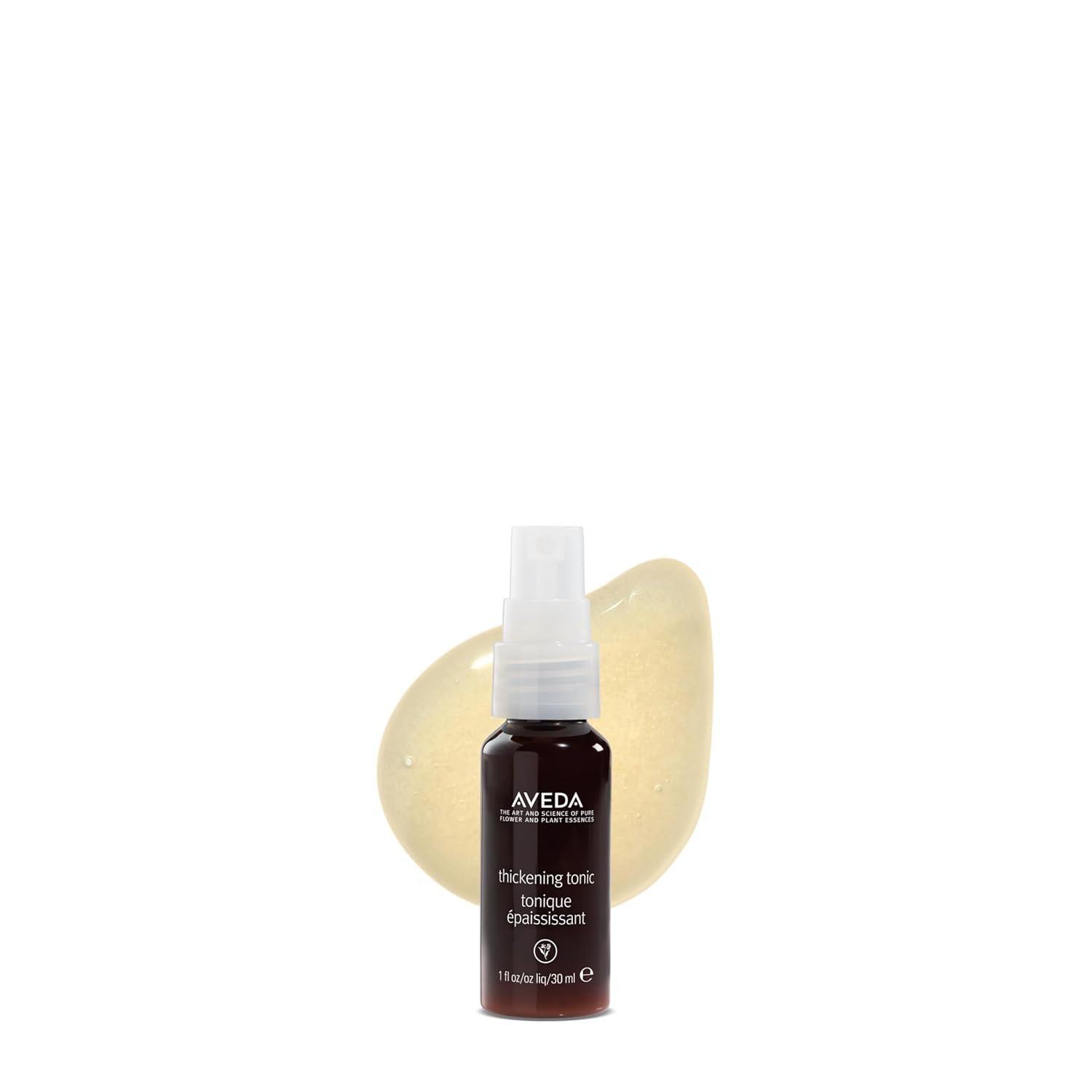
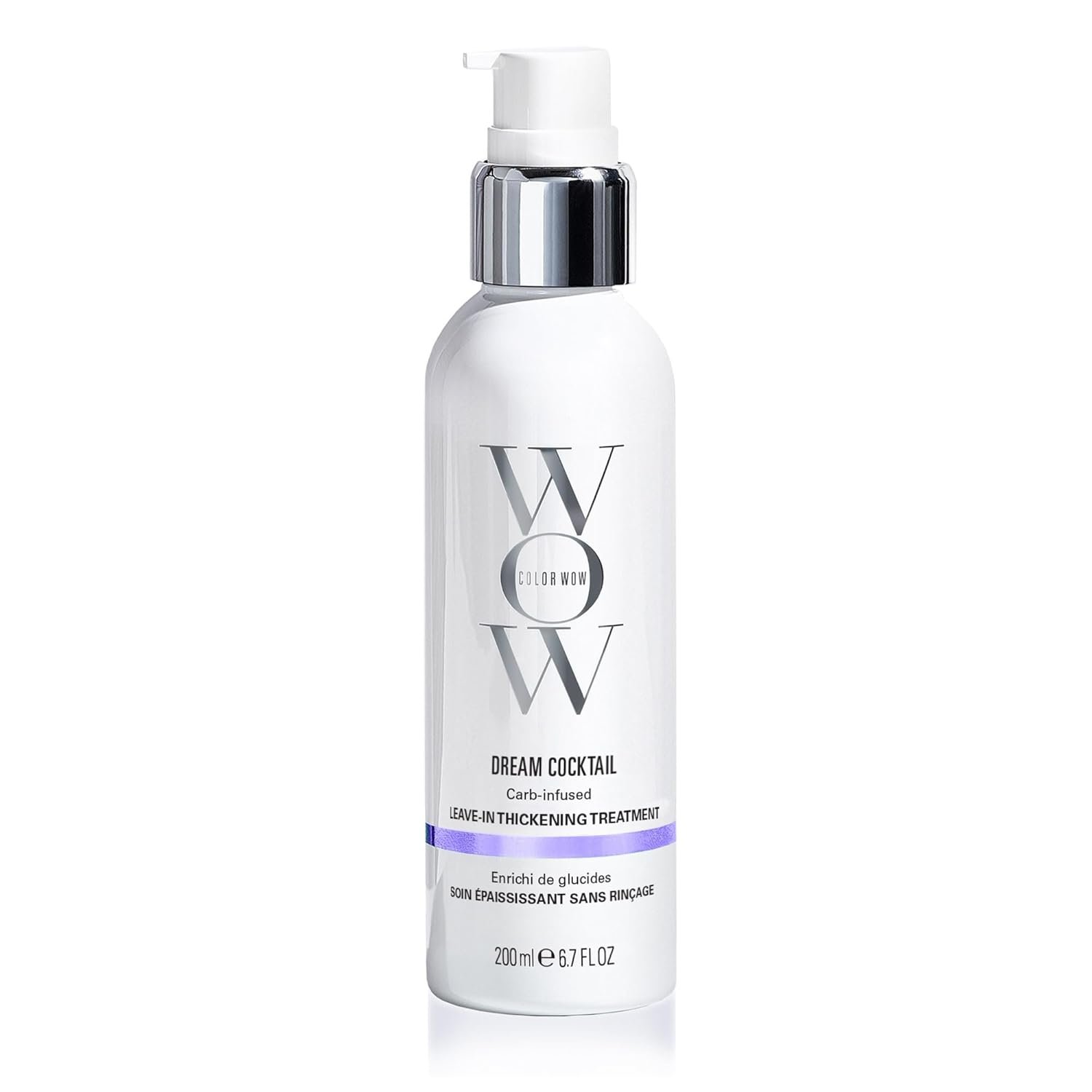
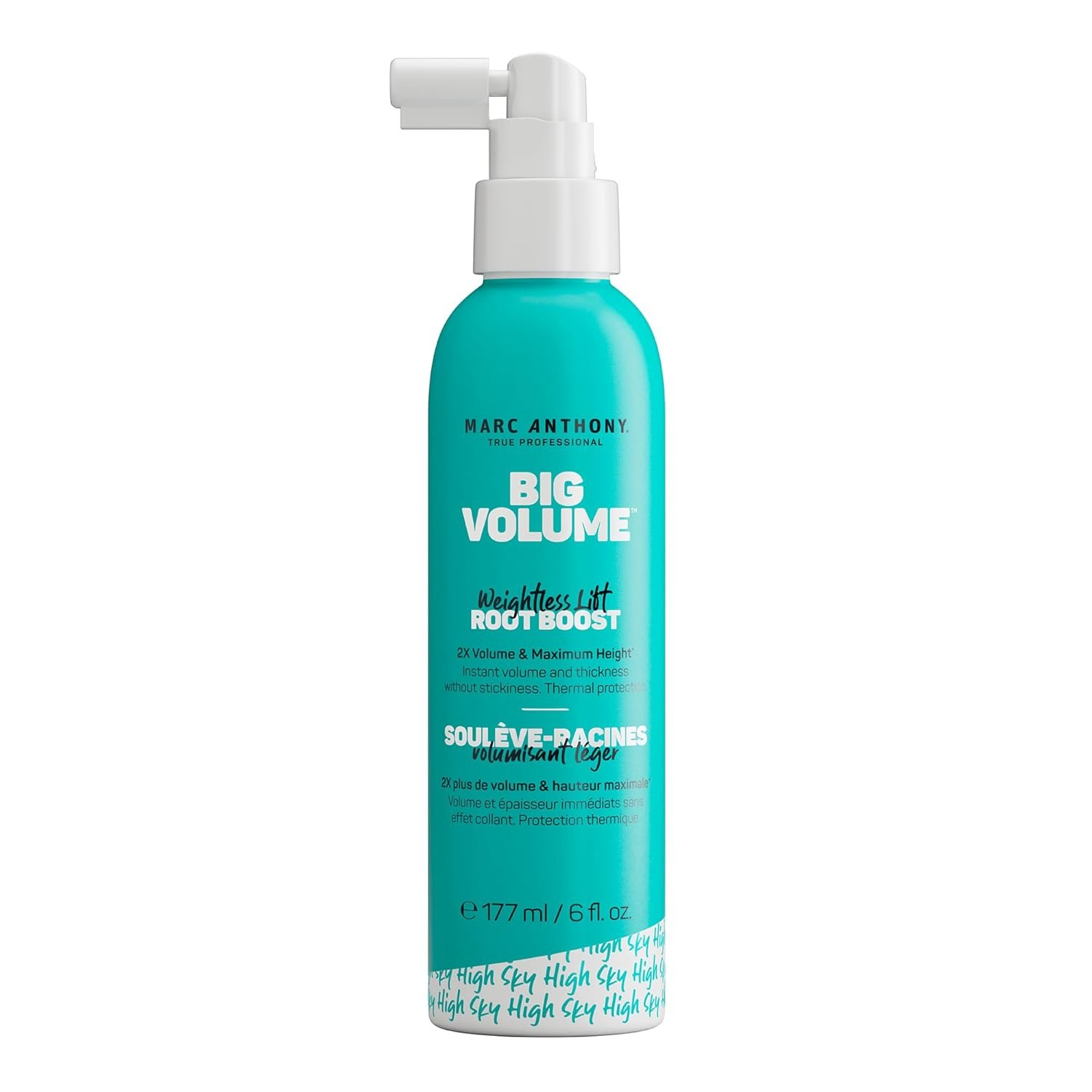
Common Hair Thickening Products
Some popular products include:
- Volumizing shampoos
- Conditioners with protein or keratin
- Fiber sprays or powders
- Leave-in treatments
These products often give instant results but only last until the next wash. Some also contain ingredients like panthenol or caffeine, which temporarily plump up the hair shaft.
Who Needs Hair Thickening?
Hair thickening works best for people with:
- Fine or limp hair
- Breakage and split ends
- Hair that looks flat or lifeless
If you have healthy follicles but want a fuller look, thickening is a good choice.
What Is Hair Regrowth?
Hair regrowth involves stimulating new hair growth from the scalp. This process aims to increase the number of active hair follicles and restore lost hair. Regrowth is usually needed when there is thinning, bald spots, or hair loss due to genetics, age, or medical conditions.
Hair regrowth treatments target the hair cycle:
- Activate dormant follicles
- Extend the growth phase (anagen)
- Reduce hair loss
Here’s a comparison table for hair regrowth:
| Aspect | Hair Regrowth |
|---|---|
| Main Goal | Create new hair strands |
| Effect | More hair, covers bald/thin areas |
| Duration | Long-term (if treatment continues) |
| New Hair Growth | Yes |
Main Goal
Effect
Duration
New Hair Growth
Common Hair Regrowth Treatments
Some popular regrowth methods include:
- Minoxidil (Rogaine): FDA-approved topical treatment
- Finasteride (Propecia): Prescription oral medication
- Laser therapy: Stimulates follicles with low-level lasers
- Hair transplants: Moves healthy follicles to bald spots
These methods take time. For example, minoxidil can take 3-6 months to see visible results. Success rates vary: studies show minoxidil helps about 40% of users grow visible new hair.
Who Needs Hair Regrowth?
Hair regrowth is for people with:
- Pattern baldness
- Thinning from age or hormones
- Medical hair loss (alopecia)
If you have lost hair and want it to return, regrowth treatments are your best option.
Key Differences: Hair Thickening Vs Hair Regrowth
Understanding the main differences helps you pick the right solution. Here is a direct comparison:
| Feature | Hair Thickening | Hair Regrowth |
|---|---|---|
| Target | Existing hair | Scalp follicles |
| Results | Fuller look | New hair |
| Speed | Immediate | Slow (months) |
| Longevity | Temporary | Potentially permanent |
| Ideal for | Fine, limp hair | Baldness, thinning |
Target
Results
Speed
Longevity
Ideal for
Non-obvious Insights
- Thickening products do not work for bald spots. Many people try volumizing shampoos for bald patches, but these cannot create new hair in those areas.
- Regrowth treatments may cause initial shedding. This is normal and often means the treatment is working, as old hairs make way for new ones.
- Some thickening products can build up on the scalp, leading to irritation or clogged pores. Washing regularly is important.
- Not all regrowth treatments work for everyone. Genetics play a huge role, so results can vary even with the same product.
Choosing The Right Approach
Ask yourself:
- Do you want more hair strands, or just fuller-looking hair?
- Is your main concern thinning, or visible bald patches?
If you just want thicker hair, start with thickening shampoos and conditioners. But if you want new hair in bald spots, regrowth treatments are needed. Sometimes, a combination works best: thickening for instant volume, regrowth for long-term results.
For more scientific details, visit National Institutes of Health.
Frequently Asked Questions
What Is The Main Difference Between Hair Thickening And Hair Regrowth?
Hair thickening makes existing hair look fuller, but does not create new hair. Hair regrowth actually stimulates new hair to grow from the scalp.
Can Thickening Shampoos Help With Bald Spots?
No, thickening shampoos only work on hair that is already there. They cannot help areas where hair follicles are gone.
How Long Does Hair Regrowth Treatment Take To Show Results?
Most regrowth treatments take at least 3 months to show visible results. Some people may need 6 months or more.
Are Hair Thickening Products Safe For Daily Use?
Most are safe, but some can build up on the scalp. It’s important to wash your hair regularly and use products as directed.
Can I Use Both Thickening And Regrowth Products Together?
Yes, many people combine both for best results. Thickening products give instant volume, while regrowth treatments work over time. Always check with a dermatologist before starting new treatments.
Choosing the right hair solution can make a big difference. Whether you want fuller hair or new growth, understanding these options helps you avoid mistakes and reach your goals faster.