Jump To Section
- What Is A Chemical Peel?
- How Chemical Peels Work
- Frequency: How Often Is Safe?
- Why Not Peel More Often?
- How To Know If You’re Peeling Too Much
- Adjusting For Your Skin Type
- Combining Peels With Other Skincare
- Building A Safe At-home Peel Routine
- Real-world Example
- Myths About Home Chemical Peels
- Data: Results And Risks
- When To See A Professional
- Frequently Asked Questions
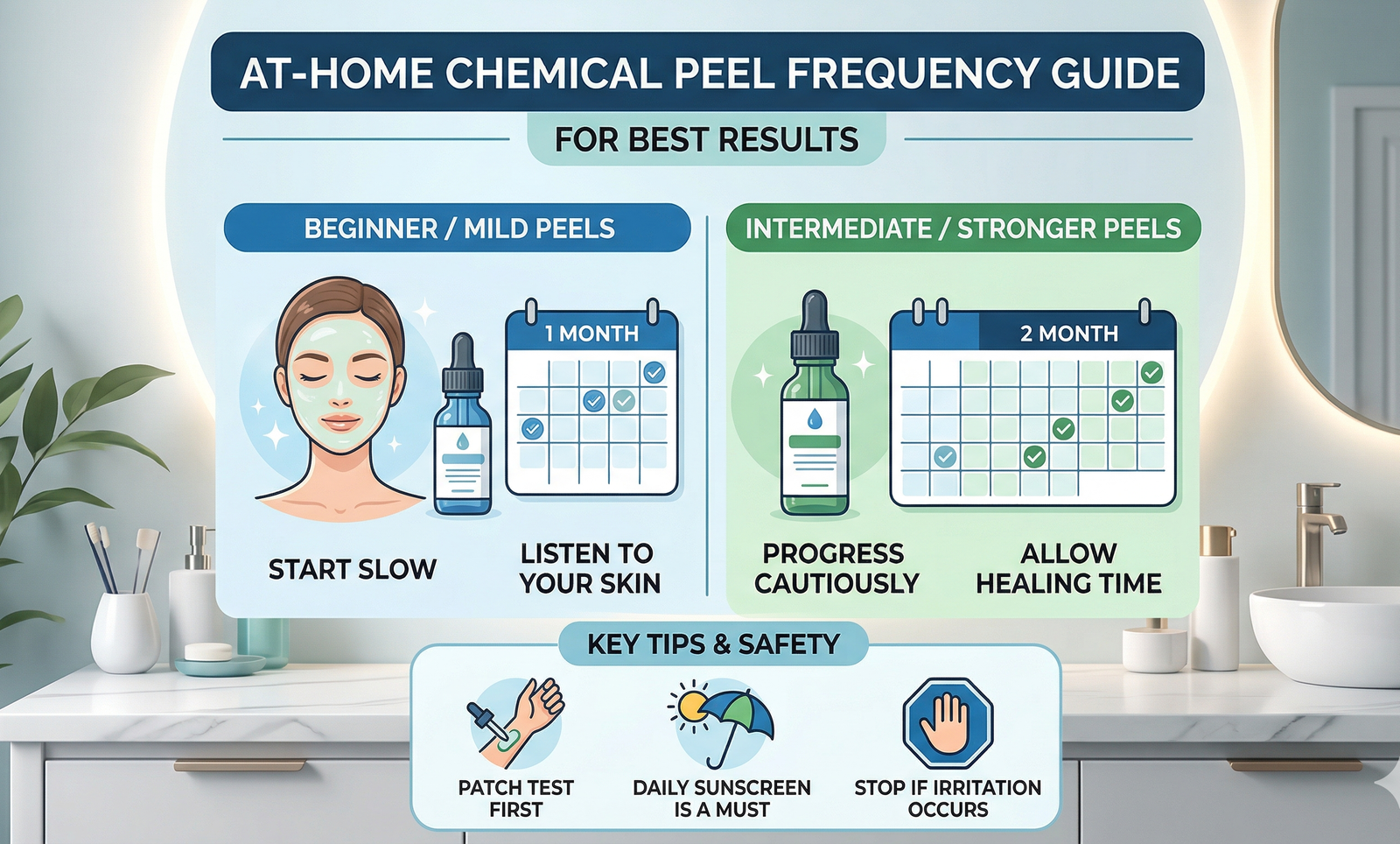
Wanting smooth, glowing skin is normal, and many people try chemical peels at home to reach this goal. But knowing how often you should use a chemical peel at home can be confusing. If you use them too much, your skin may react badly. If you use them too little, you might not see results. This guide will help you understand safe timing, what affects how often you should peel, and the best ways to get results while protecting your skin.
What Is A Chemical Peel?
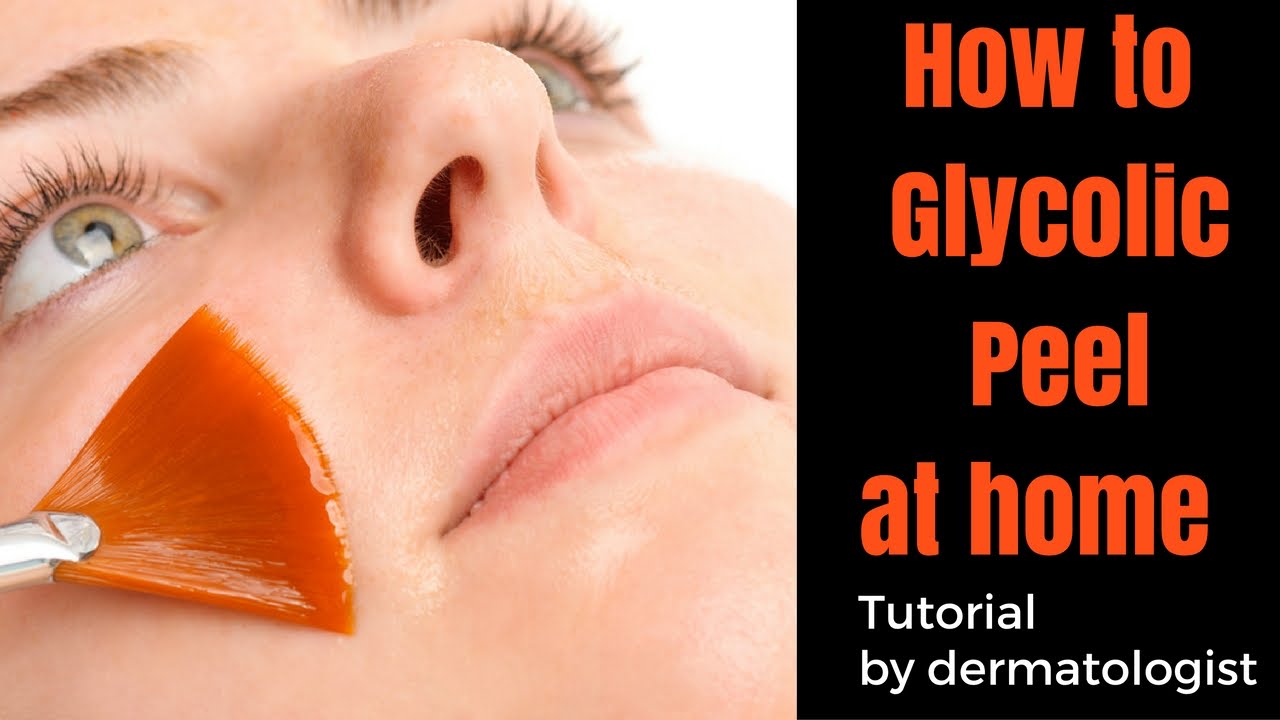
A chemical peel is a skincare treatment where you apply a solution to your face to remove dead skin cells. This reveals newer, brighter skin underneath. Most at-home peels use mild acids like glycolic acid, lactic acid, or salicylic acid. These peels are not as strong as those you get from a dermatologist, but they can still make a visible difference.
How Chemical Peels Work
Chemical peels use acids to break the bonds between dead skin cells. This helps old, dull skin shed more quickly. Over time, this process can fade dark spots, smooth fine lines, and make pores look smaller.
The peel’s strength and type decide how deep it goes into your skin. Most home peels are “superficial,” meaning they only affect the top layer.

Frequency: How Often Is Safe?
Factors That Decide Frequency
There’s no single answer for everyone. How often you should use a chemical peel at home depends on:
- Peel strength (acid percentage)
- Your skin type (oily, dry, sensitive)
- Previous peel experience
- Season and climate
- Other skincare products you use
General Guidelines
For most people, safe frequencies are:
- Mild peels (1–5% acids): Once or twice a week.
- Moderate peels (6–10% acids): Every 2–3 weeks.
- Stronger peels (10–20% acids): Once a month or less.
Here’s a quick comparison:
| Peel Strength | Common Acid % | Safe Frequency |
|---|---|---|
| Mild | 1–5% | 1–2x per week |
| Moderate | 6–10% | Every 2–3 weeks |
| Strong | 10–20% | Once a month or less |
Mild
Moderate
Strong
Important: Always read the instructions on the product you buy. Some brands recommend different timing.
Why Not Peel More Often?
It’s tempting to peel often, hoping for quicker results. But using chemical peels too often can:
- Damage your skin barrier
- Cause redness or burns
- Lead to peeling or scabbing
- Make your skin extra sensitive to sunlight
One thing beginners often miss: your skin may look fine after a peel, but the healing process is still happening under the surface. Over-peeling can slow your progress.
How To Know If You’re Peeling Too Much
Watch for these warning signs:
- Persistent redness
- Stinging or burning
- Dry patches
- Breakouts or irritation
If you notice these, take a break for at least two weeks. Use a gentle moisturizer and sunscreen daily.
Adjusting For Your Skin Type
Oily Or Acne-prone Skin
People with oily skin or breakouts often use peels with salicylic acid or glycolic acid. These can help clear pores. Oily skin can usually handle a peel once a week, sometimes twice if the peel is mild.
Dry Or Sensitive Skin
For sensitive or dry skin, use peels with lactic acid or very low acid percentages. Once every two weeks is often enough. Always do a patch test first.
Darker Skin Tones
People with darker skin should be extra careful. Over-peeling can cause hyperpigmentation (dark spots). Mild peels, used once every 2–4 weeks, are safest. Avoid strong acids unless a dermatologist says it’s okay.
:max_bytes(150000):strip_icc()/the-best-chemical-peels-tout-4003df313398403abe51a250e31caf16.jpg)
Combining Peels With Other Skincare
Don’t use retinoids, vitamin C serums, or scrubs right before or after a peel. Mixing strong products can make your skin more sensitive or cause a bad reaction.
Here’s a safe schedule idea:
| Day | Skincare Step |
|---|---|
| Chemical Peel Day | Cleanser, peel, gentle moisturizer |
| Day After Peel | Gentle cleanser, rich moisturizer, sunscreen |
| Next Days | Return to normal routine, avoid harsh actives |
Chemical Peel Day
Day After Peel
Next Days
Tip: Always use sunscreen after a peel. Your skin is more sensitive to UV rays.
Building A Safe At-home Peel Routine
Follow these steps for best results:
- Start slow. Use a mild peel once every two weeks. If your skin does well, increase to once a week.
- Watch your skin. Look for irritation or sensitivity.
- Space out strong treatments. If you try a stronger peel, wait at least a month before the next one.
- Moisturize and protect. Use gentle, hydrating products and always wear sunscreen.
Real-world Example
Anna, age 29, started using a 5% glycolic acid peel at home. She used it every Sunday. After four weeks, her skin was brighter and smoother. But when she tried using it twice a week, she got redness and peeling.
She went back to once a week, and her skin improved.
This shows: consistency is better than overuse.
Myths About Home Chemical Peels
Many people think more frequent peels give faster results. This is not true. The skin needs time to heal and rebuild. Another myth is that all peels work the same. In reality, acid type and strength matter a lot.
Data: Results And Risks
Studies show that regular, moderate use of at-home peels (once a week) can improve mild acne and dark spots in as little as 8–12 weeks. However, over 30% of users who used peels more than twice a week reported irritation or dryness.
Here’s a summary:
| Frequency | Reported Results | Side Effects (%) |
|---|---|---|
| Once a week | Brighter, smoother skin | 10% |
| Twice a week or more | Redness, irritation | 30% |
Once a week
Twice a week or more
When To See A Professional
If you want stronger results, or if you have skin conditions like rosacea or eczema, it’s better to see a dermatologist. They can guide you to the right peel and frequency.
For more details on chemical peels, you can check this resource from the American Academy of Dermatology.
Frequently Asked Questions
How Do I Pick The Right Chemical Peel For My Skin?
Choose a peel based on your main skin concern. For acne, try salicylic acid. For dark spots, glycolic or lactic acid works well. Always start with a low percentage if you are new.
Is Peeling Normal After A Chemical Peel?
Mild flaking is normal for a day or two. If you see big sheets of skin coming off, or if it hurts, you may have used a peel that’s too strong.
Can I Use A Chemical Peel If I Have Sensitive Skin?
Yes, but choose a gentle peel like lactic acid, use a low percentage, and wait longer between peels (every 2–4 weeks).
Should I Use Sunscreen After A Chemical Peel?
Yes, always. Your skin is more sensitive to sunlight after a peel, and you must protect it from UV damage.
What Should I Avoid After Using A Chemical Peel?
Avoid strong products like retinol, vitamin C, and scrubs for at least 2–3 days. Stick to gentle moisturizers and sunscreen.
Using chemical peels at home can make your skin look better, but only if you use them safely. Start slow, watch how your skin reacts, and remember: more is not always better. This way, you’ll get glowing skin without causing harm.