Jump To Section
- How Washing Affects Dry, Damaged Hair
- How Often Should You Wash Dry, Damaged Hair?
- Choosing The Right Shampoo Routine
- Deep Conditioning And Hair Masks
- Signs You Are Washing Too Often
- Non-obvious Insights For Healthier Hair
- Mistakes To Avoid With Dry, Damaged Hair
- When To Change Your Routine
- Real-life Example
- Frequently Asked Questions

Dry, damaged hair can make you feel frustrated. Your hair might look dull, frizzy, and hard to manage. Many people believe washing hair every day is a must, but for dry and damaged hair, the rules are different. Understanding how often you should wash dry, damaged hair can help you restore its health and shine.
Let’s discover the best routine and what really matters for your unique hair needs.
How Washing Affects Dry, Damaged Hair
Shampoo cleans hair but also removes natural oils. These oils are important for keeping your hair soft and shiny. Dry hair is already lacking moisture, and damaged hair has weak cuticles that lose moisture easily. If you wash too often, you can make dryness worse, leading to more breakage and split ends.
A 2022 study found that washing hair daily can strip away up to 40% of scalp oils. These oils protect hair from environmental damage. For dry, damaged hair, less is often more.
How Often Should You Wash Dry, Damaged Hair?
There is no one-size-fits-all answer, but most hair experts recommend washing once or twice a week for dry, damaged hair. This gives your scalp time to produce enough oil to nourish your hair.
Here’s a simple comparison:
| Hair Type | Suggested Wash Frequency |
|---|---|
| Oily Hair | Every 1-2 days |
| Normal Hair | Every 2-3 days |
| Dry/Damaged Hair | Once or twice a week |
Oily Hair
Normal Hair
Dry/Damaged Hair
Thick, curly hair tends to be drier and can go longer between washes, while fine, straight hair might need washing more often if it feels greasy. Listen to your hair—if it feels clean, you can wait a bit longer before your next wash.
Choosing The Right Shampoo Routine
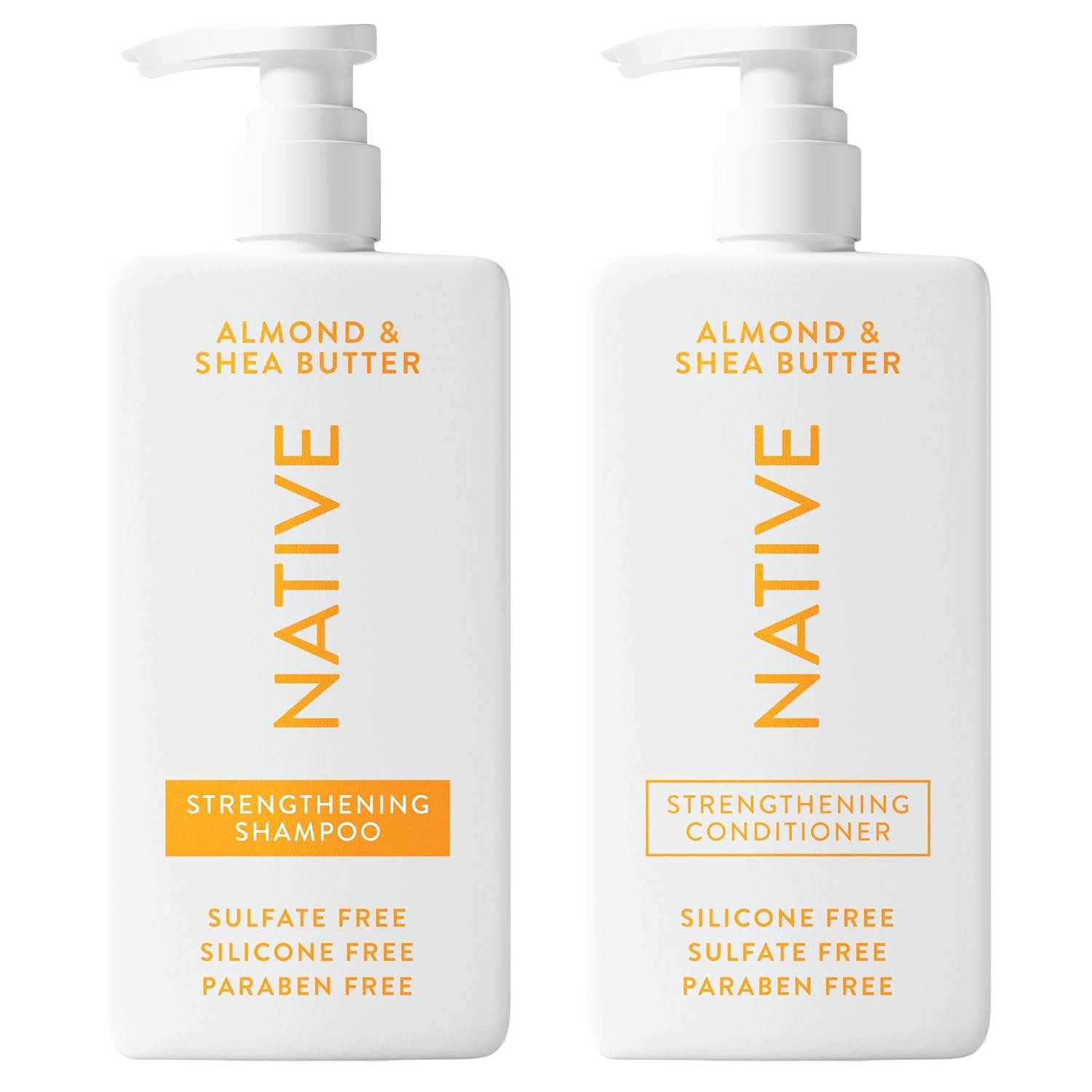
Washing less often is important, but so is how you wash. Use a sulfate-free shampoo designed for dry or damaged hair. Sulfates can be too harsh and remove too much oil.
- Use lukewarm water instead of hot water. Hot water dries hair even more.
- Focus shampoo on your scalp, not the ends. Your scalp needs cleansing, but the ends are usually the driest.
- Always follow with a rich conditioner. Apply from the mid-lengths to the ends.
Try this simple routine:
- Wet hair with lukewarm water.
- Gently massage shampoo onto your scalp.
- Rinse well and apply conditioner.
- Leave conditioner for 2-3 minutes before rinsing.
Deep Conditioning And Hair Masks
Deep conditioning is your best friend for dry, damaged hair. Using a deep conditioner or hair mask once a week can make a big difference. These treatments add moisture and help repair damage.
Here’s a quick guide to how often you should use hair masks:
| Hair Condition | Mask Frequency |
|---|---|
| Severely Damaged | 2 times a week |
| Moderately Damaged | 1 time a week |
| Dry, Not Damaged | 1-2 times a month |
Severely Damaged
Moderately Damaged
Dry, Not Damaged
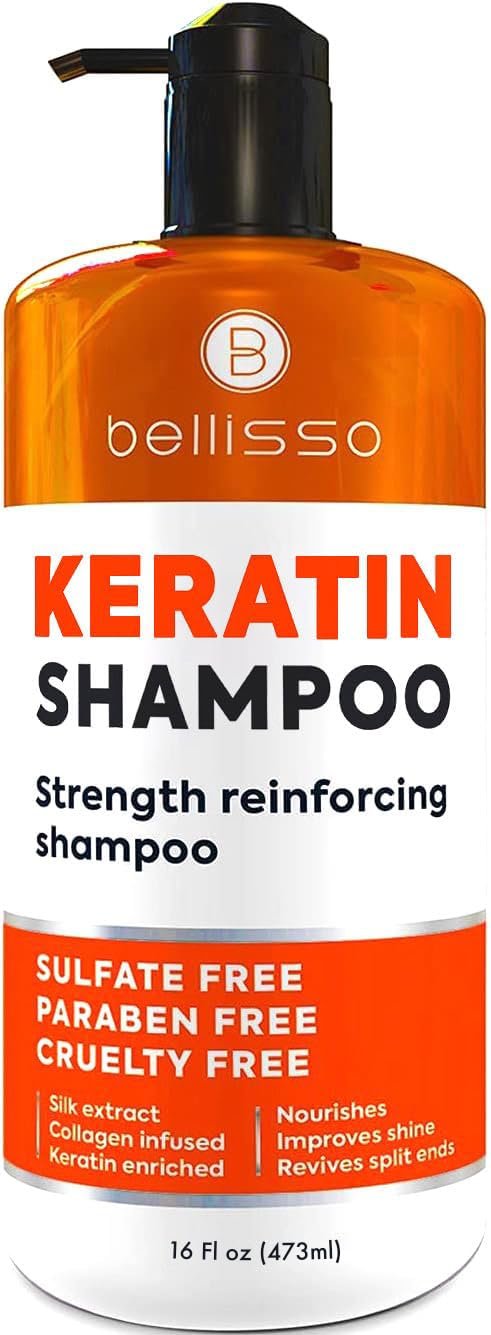
Tip: Choose a mask with ingredients like argan oil, coconut oil, or keratin for best results.
Signs You Are Washing Too Often
If you notice these signs, you may need to wash less:
- Your hair feels rough or straw-like.
- You see more split ends.
- Your scalp feels tight, itchy, or flaky.
- Hair breaks easily when brushing.
These are warnings that your hair is losing too much natural oil. Adjust your routine to find the right balance.
Non-obvious Insights For Healthier Hair
- Scalp health affects hair health. If your scalp is dry or irritated, your hair will suffer too. Massage your scalp gently with your fingers for a few minutes each wash to boost circulation.
- Rinse your hair with cool water at the end. This simple step helps close the hair cuticle, locking in moisture and making hair smoother.
Many people forget that hair products like dry shampoo or styling sprays can build up and make hair feel dirty. Try to use these sparingly. If you need to refresh your hair between washes, a bit of water and a light leave-in conditioner can help.
Mistakes To Avoid With Dry, Damaged Hair
- Washing every day: Too frequent washing removes oils and leads to more dryness.
- Skipping conditioner: Conditioner is not optional for dry hair.
- Using harsh towels: Rubbing hair with a towel can cause breakage. Instead, pat your hair dry gently with a soft towel or old T-shirt.
- Blow-drying on high heat: Heat styling tools can make damage worse. Use a heat protectant spray if you must style with heat.
When To Change Your Routine
If you start a new treatment, color your hair, or move to a place with a different climate, your hair’s needs might change. Watch how your hair responds and adjust. For example, winter air is drier, so you might need to use more conditioner or mask treatments.
Here’s a quick overview of helpful adjustments:
| Situation | How to Adjust Wash Routine |
|---|---|
| After Coloring | Wait 2-3 days before first wash, then wash once a week with color-safe products |
| Dry Winter Weather | Increase conditioning, keep washes to a minimum |
| After Swimming | Rinse hair with fresh water, use gentle shampoo after pool or ocean |
After Coloring
Dry Winter Weather
After Swimming
Real-life Example
Anna, a woman with color-treated, curly hair, used to wash her hair every other day. Her hair was always frizzy and breaking. After switching to washing once a week and using a deep conditioner, she noticed her curls became shinier and softer within a month.
This shows that less frequent washing, with the right care, can transform dry, damaged hair.
Frequently Asked Questions
How Do I Know If I’m Washing My Hair Too Much?
Look for signs like frizz, breakage, and dryness. If your hair feels rough or looks dull, try washing less often.
Can I Use Dry Shampoo Between Washes?
Yes, but use dry shampoo only when needed. Too much can build up and clog hair follicles. Make sure to wash it out during your next shampoo.
Is It Okay To Co-wash (use Only Conditioner)?
Co-washing can work for some people with very dry or curly hair. It cleanses gently, but you may still need shampoo once a week to remove buildup.
What If My Hair Still Feels Greasy After A Few Days?
Try rinsing with water and applying a light leave-in conditioner instead of shampoo. If your scalp is very oily, a gentle shampoo may be needed.
Are There Any Medical Reasons For Very Dry Hair?
Yes, problems like thyroid disease or eczema can cause dry hair. If your hair stays dry no matter what you do, talk to a doctor or a dermatologist.
For more expert hair care tips, check resources like the American Academy of Dermatology.
Taking time to find the right hair-washing routine will help your dry, damaged hair recover. Remember, gentle care and less frequent washing are your best strategies for healthy, beautiful hair.