Jump To Section
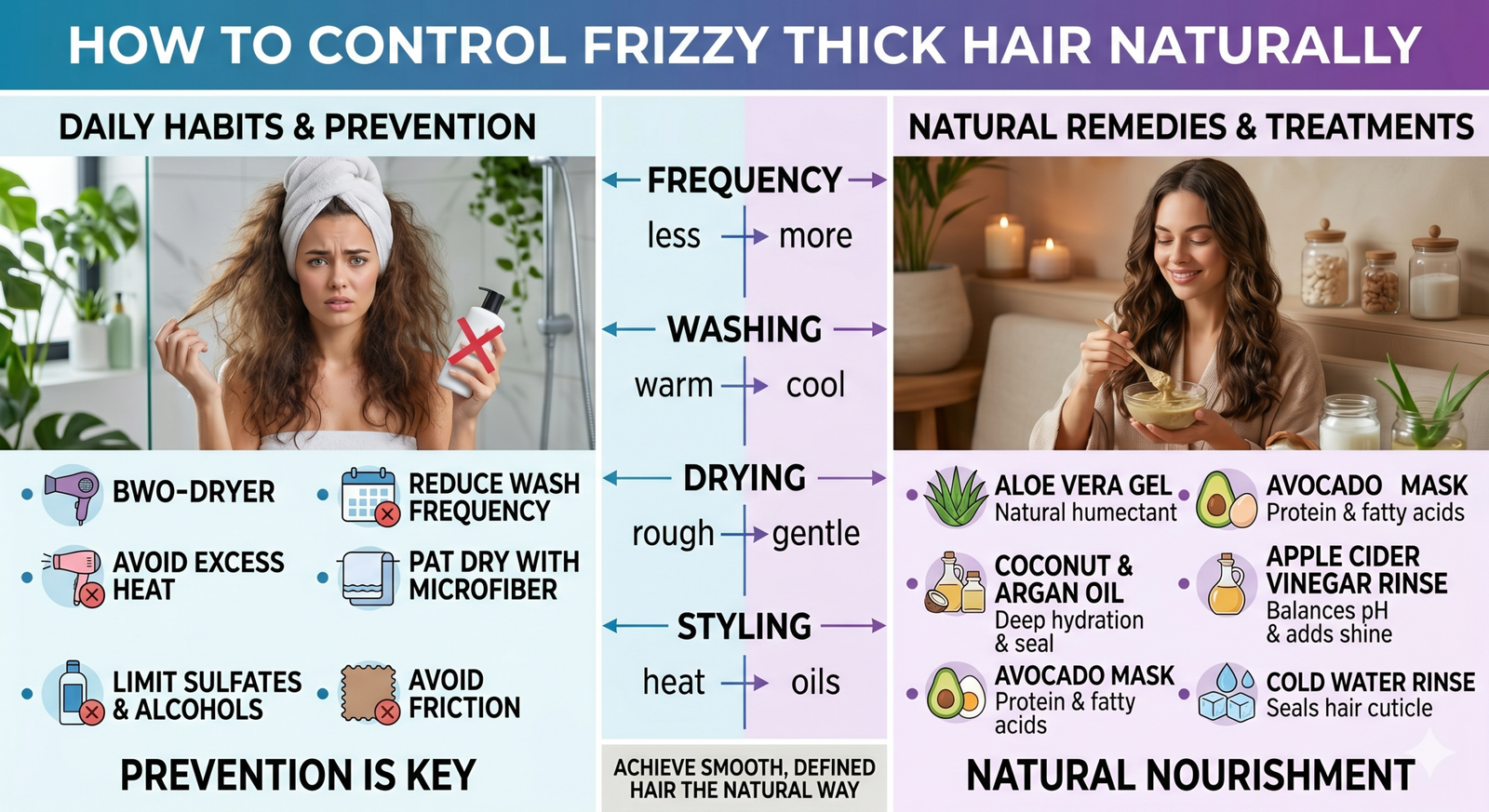
Frizzy, thick hair can be both a blessing and a challenge. While it often looks full and healthy, managing its volume and texture—especially in humid weather—can feel overwhelming. Many people reach for chemical treatments or heavy styling products, but these can damage your hair over time.
The good news is, you can control frizzy thick hair naturally with the right habits and home remedies. Whether your hair puffs up with humidity or gets dry and unruly after washing, there are simple, effective ways to keep it smooth, shiny, and manageable.
Understanding Why Thick Hair Gets Frizzy
Before you start taming your hair, it helps to know why it gets frizzy. Thick hair has more cuticle layers, which means it absorbs and loses moisture quickly. When the weather is humid, hair absorbs water from the air, causing the strands to swell and frizz.
Dryness, harsh shampoos, and heat tools can make this problem worse.
A 2017 study found that over 90% of people with thick, curly hair experience frizz regularly, mainly due to moisture imbalance and hair structure. Understanding your hair’s needs is the first step toward real control.
Daily Habits For Frizz Control
Making small changes in your daily routine can dramatically reduce frizz.
- Use a gentle shampoo: Choose sulfate-free shampoos. Sulfates strip your hair’s natural oils, leaving it dry and frizzy.
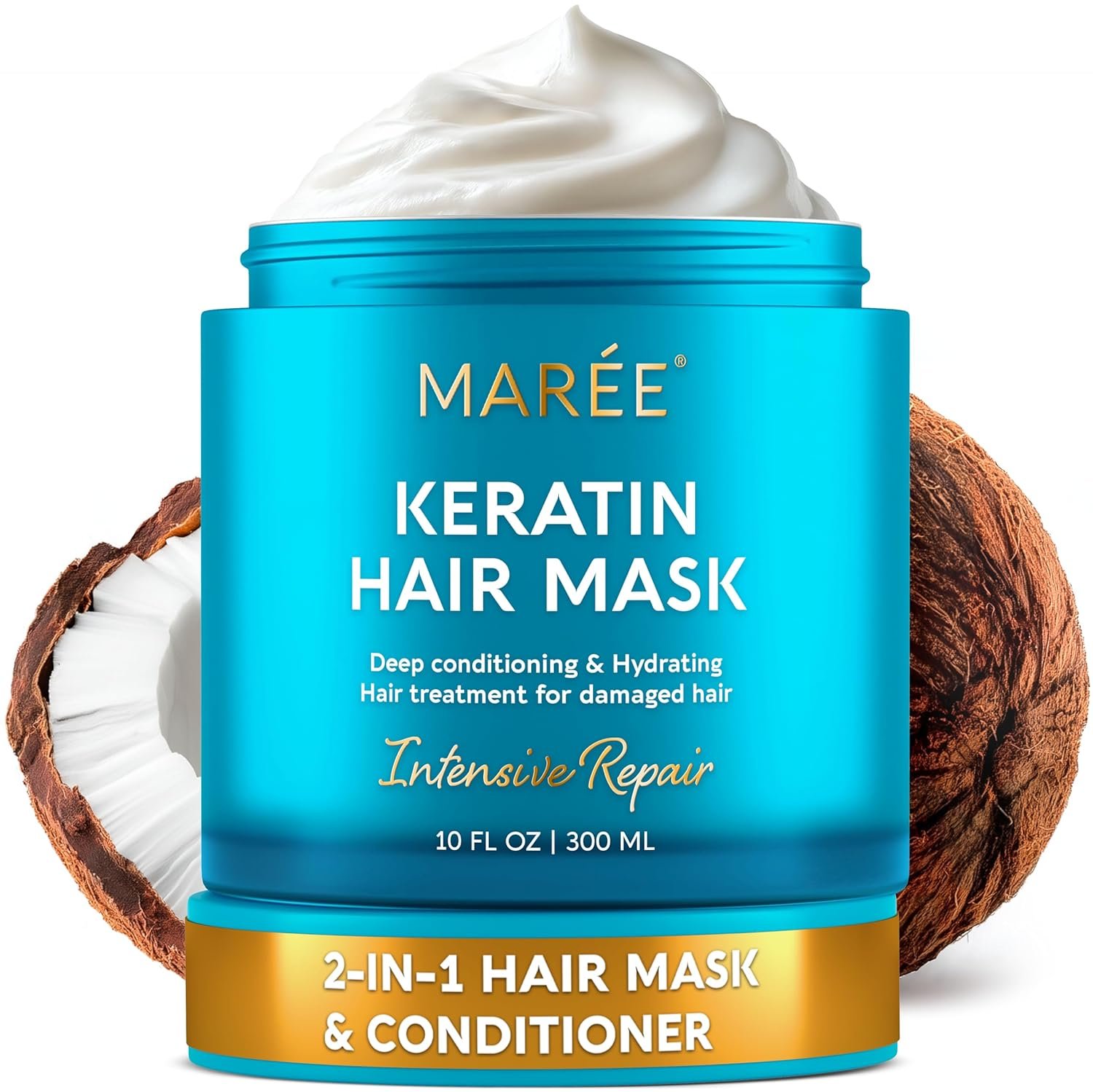
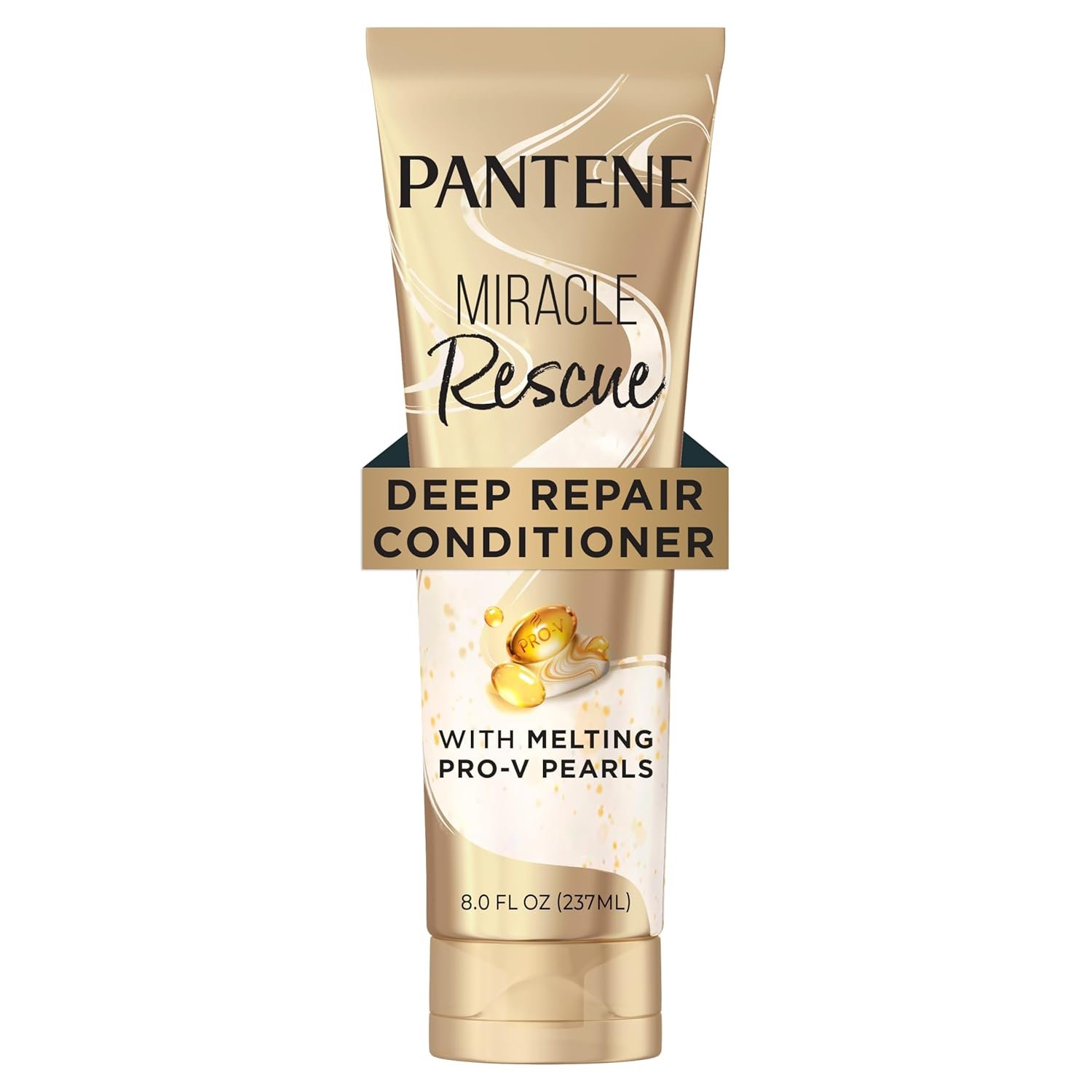
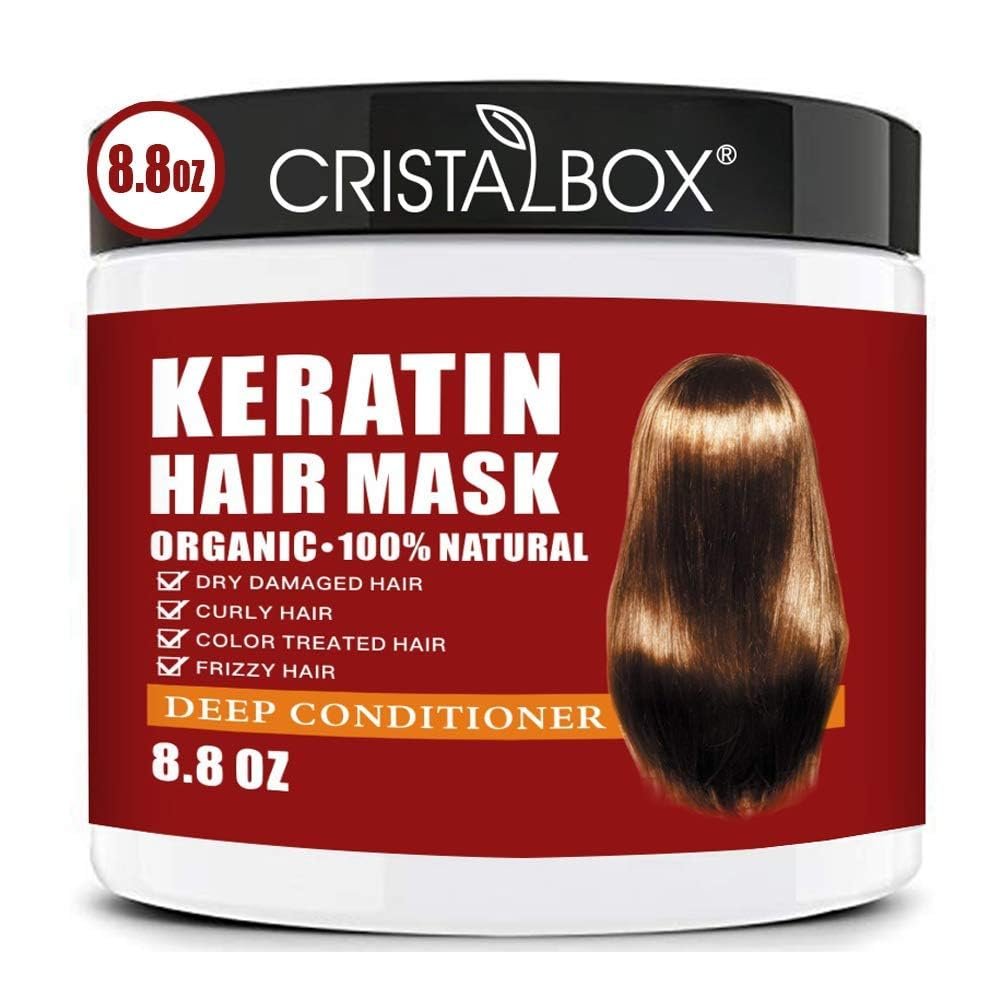
- Condition every time you wash: Thick hair needs moisture. Apply a rich conditioner, focusing on the mid-lengths and ends.
- Rinse with cool water: Hot water opens the hair cuticle, making it rough. Cool water helps seal the cuticle and adds shine.
- Pat, don’t rub: After washing, gently pat your hair with a microfiber towel or a soft T-shirt. Rubbing creates friction and frizz.
Comparison Of Shampoo Ingredients
See how different ingredients affect thick hair:
| Ingredient | Effect on Thick Hair |
|---|---|
| Sulfates | Strips oils, increases frizz |
| Silicones | Temporarily smooths, may build up |
| Natural Oils | Adds moisture, reduces frizz |
| Aloe Vera | Hydrates, soothes scalp |
Sulfates
Silicones
Natural Oils
Aloe Vera
Natural Home Remedies For Frizzy Hair
You don’t need fancy products to tame frizz. Some of the most effective solutions are found in your kitchen.
- Coconut oil mask: Warm a tablespoon of coconut oil and apply it to damp hair. Leave for 30 minutes before washing. Coconut oil penetrates deep and reduces protein loss.
- Apple cider vinegar rinse: Mix two tablespoons of vinegar with a cup of water. After shampooing, pour this over your hair and rinse out. It balances pH and adds shine.
- Avocado and honey treatment: Mash half an avocado with a tablespoon of honey. Apply to your hair for 20 minutes. This hydrates and smooths thick strands.
- Aloe vera gel: Fresh aloe gel can be applied directly to damp hair. It locks in moisture and calms frizz.
Comparing Home Remedies
Which Natural Remedy Works Best For Different Needs?
| Remedy | Best For | Main Benefit |
|---|---|---|
| Coconut Oil | Very dry, thick hair | Deep moisture |
| Apple Cider Vinegar | Dull, frizzy hair | Shine, pH balance |
| Avocado & Honey | Damaged, coarse hair | Repair and softness |
| Aloe Vera | Everyday frizz | Light moisture, calm scalp |
Coconut Oil
Apple Cider Vinegar
Avocado & Honey
Aloe Vera
Protective Styling And Tools
How you style your hair can make a big difference. Protective methods help control frizz and prevent breakage.
- Loose braids or buns: These keep hair contained and reduce exposure to humidity.
- Silk or satin pillowcases: Cotton absorbs oils and roughs up the hair cuticle. Silk or satin keeps hair smooth overnight.
- Wide-tooth combs: Use these instead of brushes to detangle gently.
Many people miss that hair ties with metal can cause breakage and frizz. Opt for fabric-covered bands instead.
Nutrition And Hydration For Healthy Hair
What you eat and drink impacts your hair’s texture and health.
- Drink at least 8 glasses of water daily to keep hair hydrated from within.
- Foods rich in omega-3 fatty acids (like salmon, walnuts, chia seeds) help produce natural oils.
- Vitamin E (found in almonds, sunflower seeds, spinach) is essential for scalp health.
Surprisingly, lack of protein can make thick hair weaker and more prone to frizz. Ensure you get enough lean meats, eggs, or plant proteins.
Humidity And Environmental Tips
Controlling frizz is harder in humid or dry climates, but you can minimize the effects.
- Wear a hat or scarf outdoors to protect from moisture in the air.
- Avoid frequent heat styling—blow-drying and straightening strip moisture.
- Apply a small amount of natural oil before you leave the house to seal the cuticle.
Common Mistakes To Avoid
Many people with thick hair make these errors, worsening frizz:
- Over-washing: More than 2-3 times a week dries hair out.
- Skipping conditioner: Thick hair always needs extra moisture.
- Using the wrong brush: Metal or boar-bristle brushes can cause static and breakage.
How Often Should You Wash?
| Hair Type | Recommended Wash Frequency | Why |
|---|---|---|
| Thick, frizzy | 2-3 times/week | Preserves natural oils |
| Oily scalp | Every other day | Controls buildup |
| Dry or curly | Once a week | Prevents over-drying |
Thick, frizzy
Oily scalp
Dry or curly
When To Seek Professional Help
If your hair stays frizzy no matter what you try, or you notice excessive shedding, consult a dermatologist. Sometimes, frizz can be a sign of hormonal imbalance or scalp problems.
A trichologist can analyze your hair and recommend treatments. For most people, though, consistent home care brings great results.
Frequently Asked Questions
What Causes Frizzy Thick Hair?
Frizzy thick hair is mainly caused by moisture imbalance and damage to the hair cuticle. Humidity, harsh shampoos, and heat styling are common triggers.
How Long Does It Take To See Results From Natural Remedies?
Most people see smoother hair within 2-4 weeks of regular use. Coconut oil and aloe vera may show immediate results for some, while deep hydration builds up over time.
Can I Use Oil On My Scalp If I Have Oily Skin?
Yes, but use lightweight oils like argan or jojoba. Apply only a few drops and focus on the ends to avoid greasiness.
Is It Okay To Air-dry Thick Hair?
Air-drying is gentle and helps prevent heat damage. For best results, apply a leave-in conditioner and avoid touching your hair as it dries.
Where Can I Learn More About Hair Science?
You can find reliable information at the American Academy of Dermatology.
Caring for frizzy thick hair does not require harsh chemicals or expensive products. With daily habits, home remedies, and a little patience, you can enjoy soft, manageable hair naturally. Small changes make a big difference—start today and notice how your hair responds.