Jump To Section
- Why Proper Face Cleaning Matters
- Choosing The Right Cleanser
- Step-by-step Guide To Cleaning Your Face
- How Often Should You Clean Your Face?
- Common Face Cleaning Mistakes
- Exfoliating: How And When
- Special Tips For Different Skin Conditions
- How Water Temperature Affects Your Skin
- Ingredients To Look For And Avoid
- Face Cleaning Myths: What Not To Believe
- Frequently Asked Questions

Many people wash their faces daily, but not everyone knows how to do it the right way. Proper face cleaning is more than just a splash of water and soap. It helps your skin look fresh, clear, and healthy. It also removes dirt, oil, pollution, and sweat that build up during the day. Without good cleaning, these can cause acne, dullness, and even early aging.
If you have ever wondered why your skin still breaks out or feels dry even after washing, you may be making some common mistakes. Let’s break down everything you need to know, from choosing the right products to the best cleaning steps for every skin type.
Why Proper Face Cleaning Matters
Your face is exposed to dust, bacteria, and pollution all day. If you do not clean your face well, these things stay on your skin. This can clog pores, make acne worse, and lead to uneven skin tone. A good cleaning routine removes unwanted particles, allowing your skin to breathe and heal.
Data from the American Academy of Dermatology shows that regular face cleaning helps reduce acne by up to 50% when done with the right cleanser for your skin type. Clean skin also absorbs skincare products like moisturizers and treatments much better.
Choosing The Right Cleanser
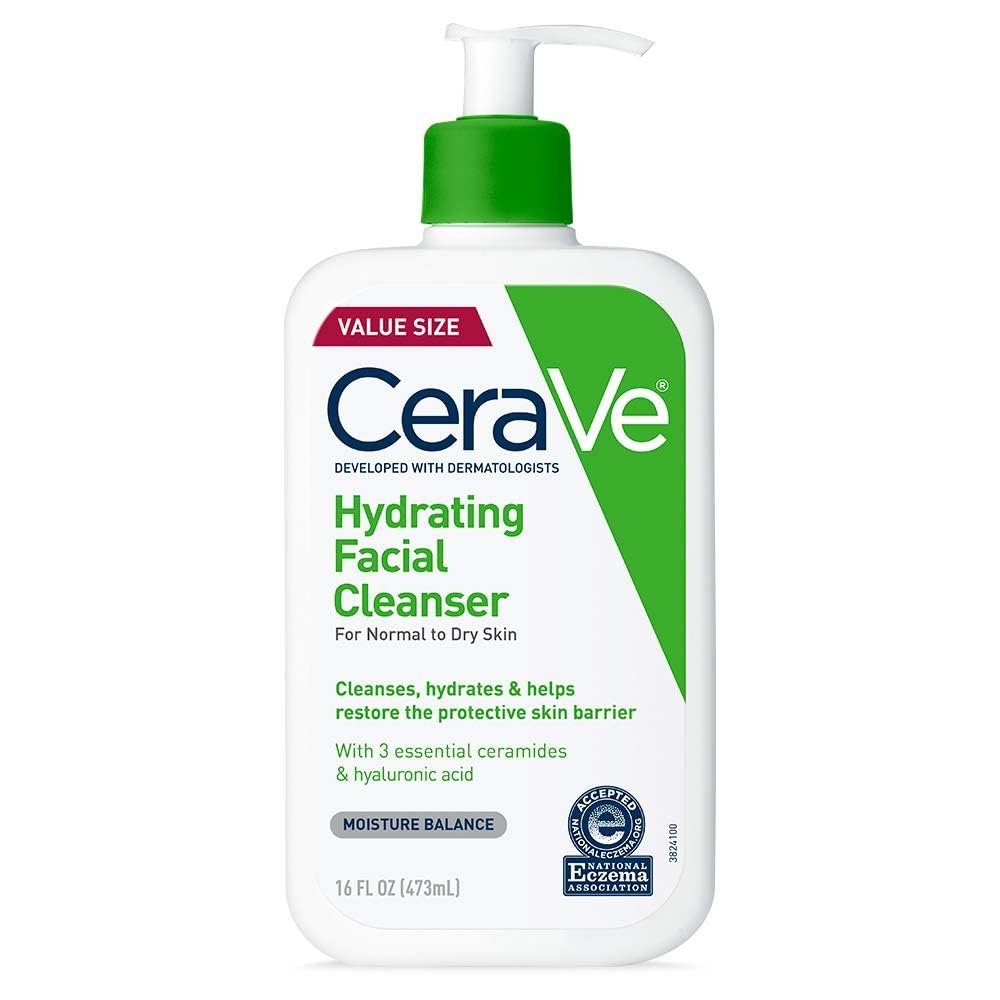
Not all cleansers are the same. The wrong cleanser can irritate or dry out your skin. The right one supports your skin’s natural balance.
| Skin Type | Best Cleanser | What to Avoid |
|---|---|---|
| Oily | Foaming or gel | Heavy creams, harsh scrubs |
| Dry | Cream or hydrating | Alcohol-based, foaming |
| Sensitive | Fragrance-free, gentle | Sulfates, strong exfoliants |
| Combination | Balancing gel | Very oily or very creamy |
Oily
Dry
Sensitive
Combination
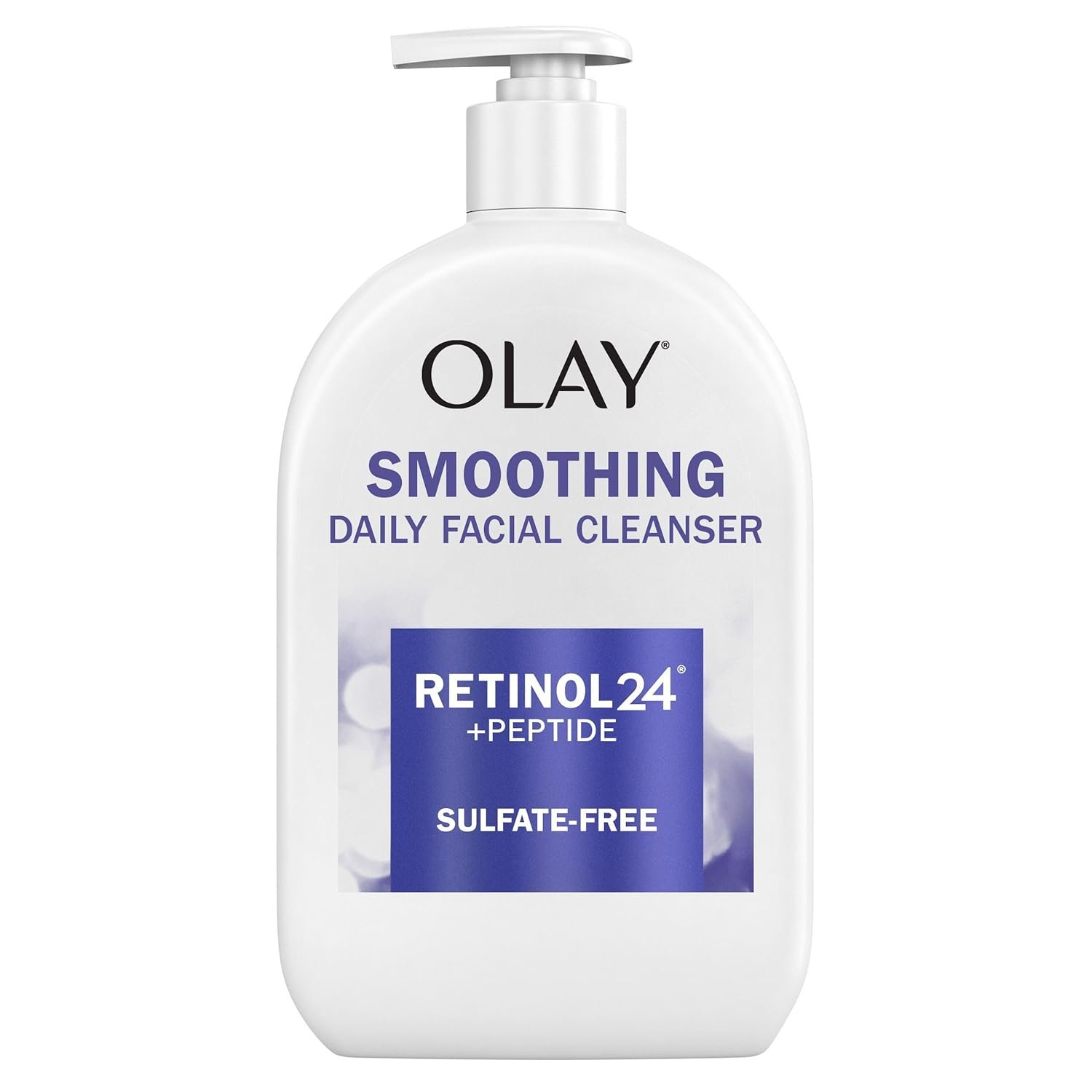
Check the ingredient list. Avoid cleansers with alcohol or artificial fragrance, especially if your skin is sensitive. If you wear makeup, look for a cleanser that removes makeup without leaving residue.
Credit: www.alamy.com
Step-by-step Guide To Cleaning Your Face
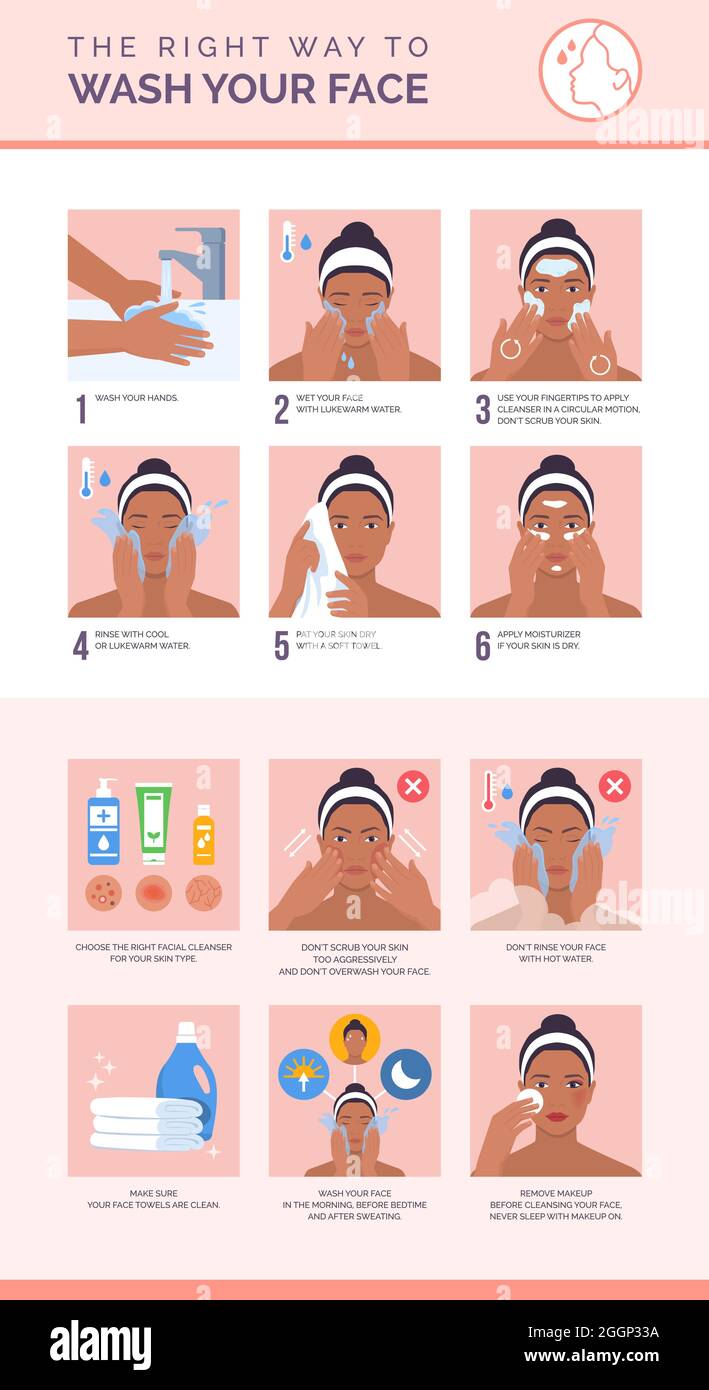
1. Wash your hands: Start with clean hands to avoid transferring bacteria.
2. Wet your face: Use lukewarm water. Hot water can dry out your skin, and cold water may not remove oil and dirt well.
3. Apply cleanser: Use a coin-sized amount. Massage gently with your fingertips in small circles. Focus on the T-zone (forehead, nose, chin).
4. Rinse well: Make sure all cleanser is washed away. Leftover product can cause irritation.
5. Pat dry: Use a clean towel. Do not rub, as this can damage the skin’s surface.
6. Apply moisturizer: While your skin is still slightly damp, use a moisturizer that suits your skin type.
| Step | Why It Matters |
|---|---|
| Wash hands | Prevents bacteria transfer |
| Wet face | Prepares skin for cleanser |
| Apply cleanser | Removes dirt and oil |
| Rinse | Removes all residue |
| Pat dry | Prevents irritation |
| Moisturize | Locks in hydration |
Wash hands
Wet face
Apply cleanser
Rinse
Pat dry
Moisturize
How Often Should You Clean Your Face?
Most people should clean their face twice a day—morning and night. At night, you remove the day’s buildup. In the morning, you clear away oil and sweat from sleep. If you have very dry or sensitive skin, once a day may be enough.
After exercise or heavy sweating, wash your face to prevent clogged pores. But do not over-clean, as this can strip natural oils and cause dryness or irritation.
Common Face Cleaning Mistakes
Many people believe “more is better” or use hot water and strong scrubs. These habits can harm your skin. Here are mistakes to avoid:
- Using harsh scrubs: Physical scrubs with large, rough particles can cause tiny cuts and increase redness.
- Washing too often: More than twice a day can damage the skin barrier.
- Skipping moisturizer: Even oily skin needs hydration after cleaning.
- Not removing makeup properly: Leftover makeup can cause breakouts.
- Using dirty towels: Always use a clean, soft towel to prevent bacteria spread.
Exfoliating: How And When
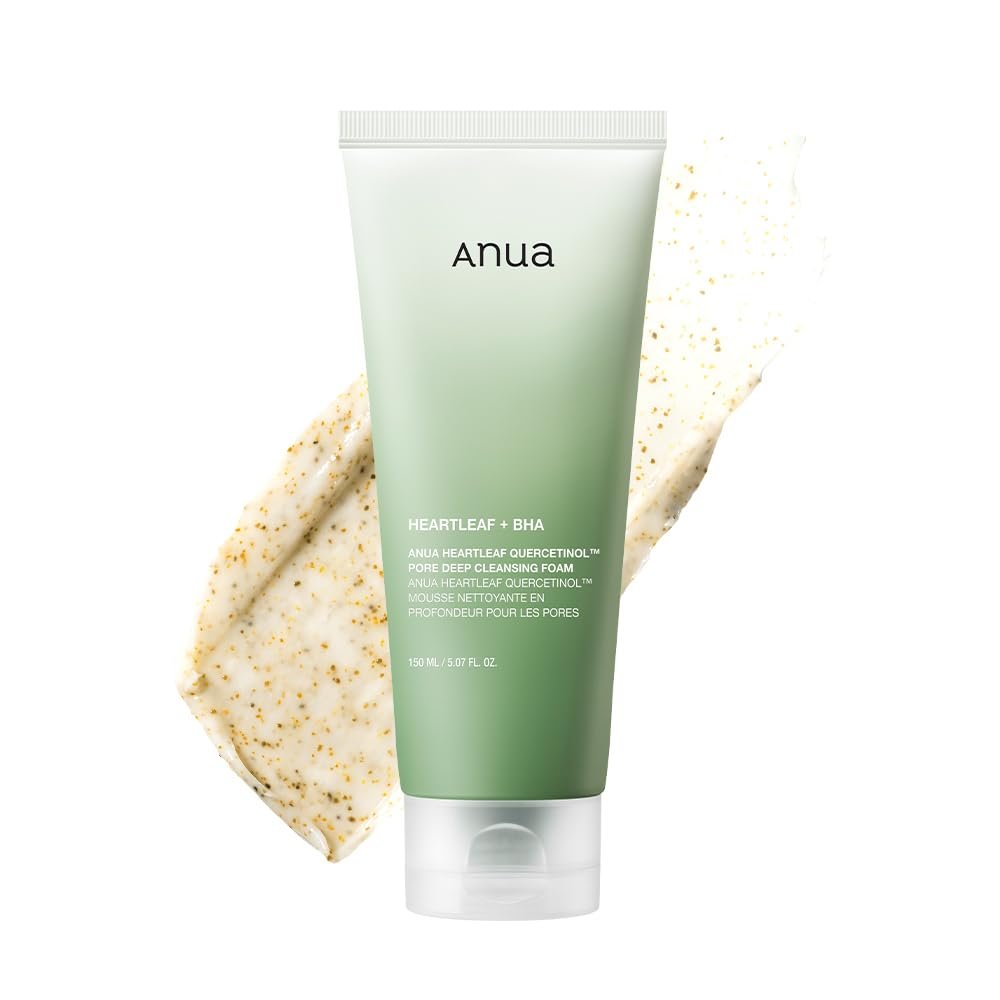
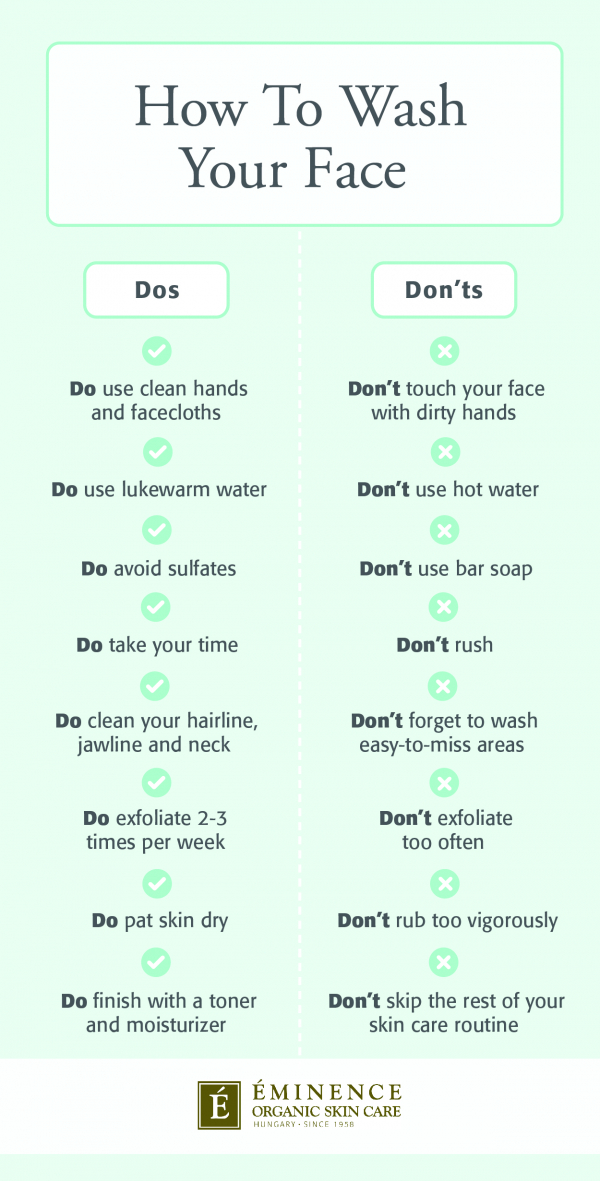
Exfoliation removes dead skin cells, making your skin smoother and brighter. However, it should not be done daily. For most people, 1-2 times a week is enough.
There are two types:
- Physical exfoliants: Scrubs with small, gentle particles.
- Chemical exfoliants: Products with acids like glycolic acid or salicylic acid.
If you have sensitive skin, use only a mild exfoliant and do a patch test first. Over-exfoliating causes redness, irritation, and even more breakouts.
Credit: eminenceorganics.com
Special Tips For Different Skin Conditions
- Acne-prone skin: Look for cleansers with salicylic acid or benzoyl peroxide. Do not scrub or pick at acne.
- Aging skin: Use a gentle cleanser and add a serum with antioxidants after cleaning.
- Rosacea or eczema: Choose fragrance-free, very mild cleansers and avoid hot water.
If you are unsure, speak to a dermatologist for advice tailored to your skin.
How Water Temperature Affects Your Skin
Many people think hot water opens pores. Actually, pores do not open or close with water temperature. Hot water removes natural oils, causing dryness or even more oil production as your skin tries to protect itself.
Always use lukewarm water for the best results.
Ingredients To Look For And Avoid
If you want healthy skin, look for these helpful ingredients:
- Glycerin: Adds moisture
- Ceramides: Protects the skin barrier
- Niacinamide: Reduces redness and helps with acne
Avoid:
- Sulfates: Harsh, drying
- Alcohol: Very drying, especially for sensitive skin
Face Cleaning Myths: What Not To Believe
There are many myths about face cleaning. Here are some common ones:
- You need to scrub hard for clean skin. This can actually harm your skin.
- Oily skin does not need moisturizer. All skin types need moisture.
- Natural products are always safer. Some natural ingredients can irritate sensitive skin.

Credit: nourishmantra.com
Frequently Asked Questions
How Long Should I Spend Cleaning My Face?
You should spend about 30-60 seconds massaging the cleanser into your skin. This helps remove dirt and oil without irritating your skin.
Can I Use The Same Cleanser All Year Round?
Not always. Your skin may change with the seasons. In winter, you may need a more hydrating cleanser. In summer, a lighter or foaming cleanser may feel better.
Is Double Cleansing Necessary?
Double cleansing (using an oil-based cleanser first, then a water-based one) is helpful if you wear heavy makeup or sunscreen. For most people, a single gentle cleanser is enough.
Should I Use A Face Brush Or Tool?
Face brushes can help clean deeply, but overuse can irritate the skin. Use them only once or twice a week and keep them clean.
What Is The Best Way To Dry My Face?
Always pat your skin dry with a soft, clean towel. Do not rub, as this can damage and irritate your skin.
Cleaning your face the right way is a simple but powerful step for healthy skin. Choosing the right products, using proper technique, and avoiding common mistakes make a big difference. For more details on skincare routines, you can visit American Academy of Dermatology. With the right habits, your skin can look and feel its best every day.