Jump To Section
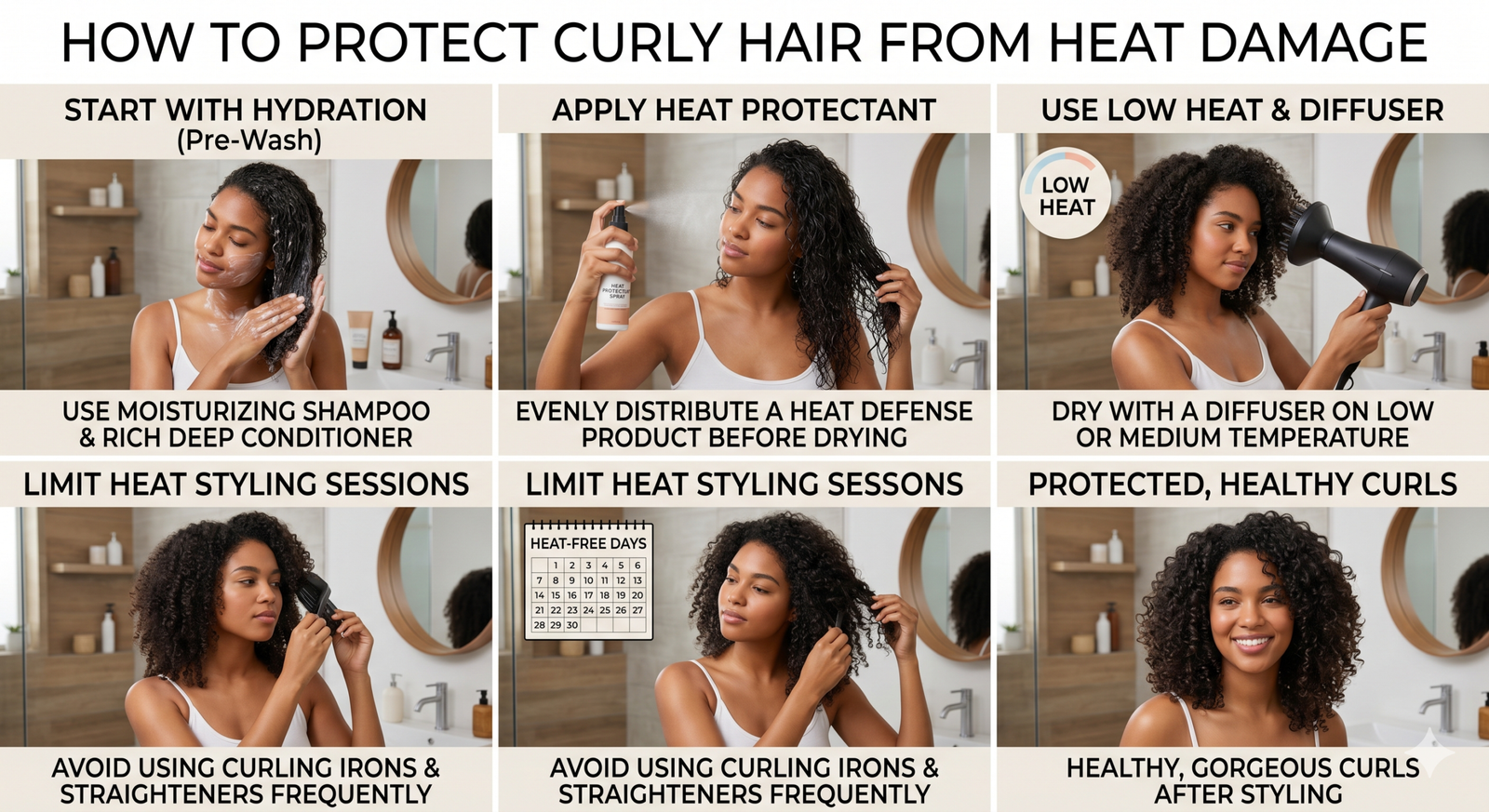
Curly hair is beautiful, unique, and often needs extra care—especially when it comes to heat styling. Many people love the look of straightened or curled hair using hot tools, but heat can easily damage curly strands. If you want to keep your curls healthy and strong, learning how to protect them from heat damage is crucial. This guide explains simple, effective ways to shield curly hair and keep it looking its best, even if you use blow dryers, flat irons, or curling wands.
Why Curly Hair Is More Vulnerable To Heat
Curly hair has a natural twist and shape, which makes it more fragile than straight hair. The curves and bends in each strand mean the cuticle layer (the outside of the hair) is often raised. This lets moisture escape and makes hair dry faster. When heat is added, it can easily break the hair’s proteins and leave strands looking dull, frizzy, or split.
Research shows that curly hair loses moisture 50% faster than straight hair after heat exposure. This means even one session with a flat iron can cause lasting damage if you don’t protect your curls.
Essential Steps To Protect Curly Hair From Heat
1. Use A Heat Protectant
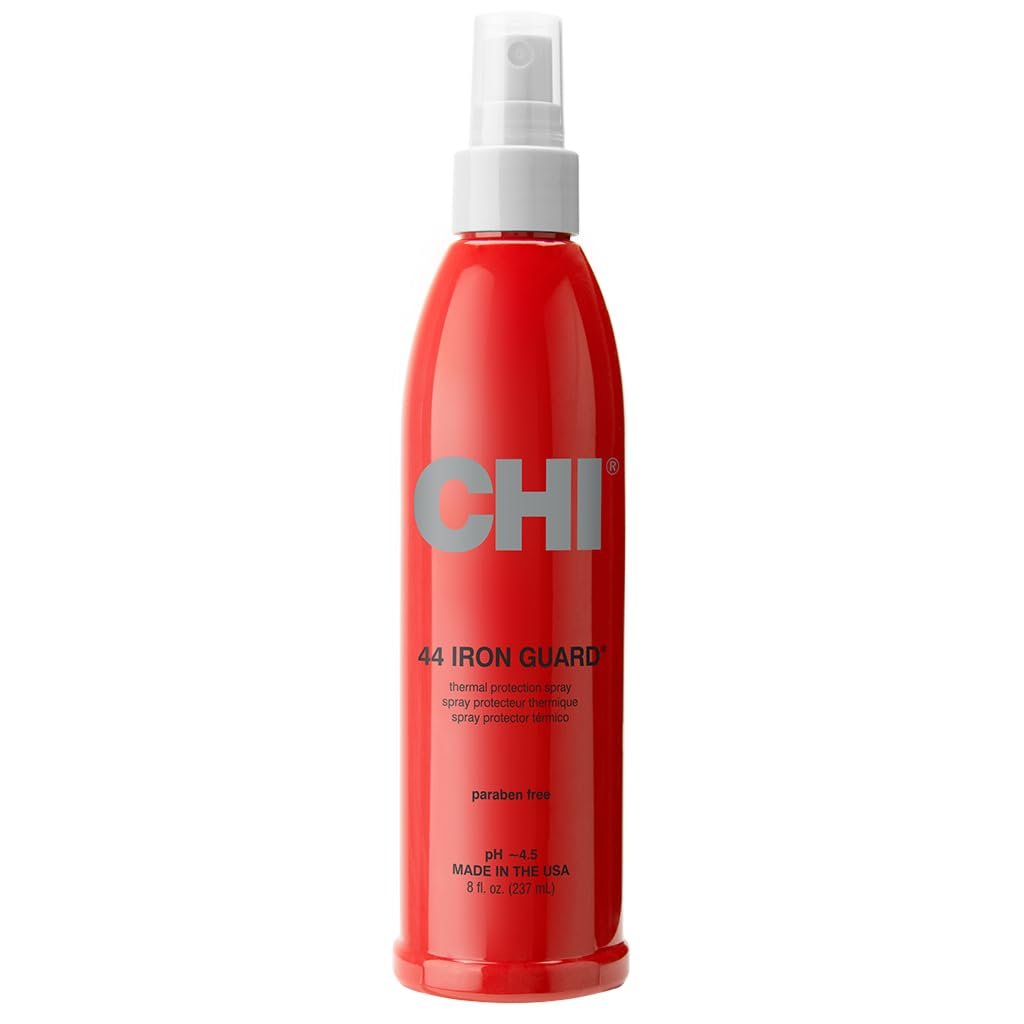
Always use a heat protectant spray or cream before styling. These products form a barrier between your hair and the hot tool. Look for protectants with ingredients like silicone or natural oils (argan, coconut) because they lock in moisture.

2. Choose The Right Tools
Not all styling tools are safe for curly hair. Pick tools that offer adjustable temperature settings and use ceramic or tourmaline plates. These materials distribute heat more evenly and help reduce direct damage.
| Tool Type | Best Feature for Curly Hair | Risk Level |
|---|---|---|
| Flat Iron | Ceramic plates | Moderate |
| Blow Dryer | Diffuser attachment | Low |
| Curling Wand | Adjustable heat | High |
Flat Iron
Blow Dryer
Curling Wand
3. Lower The Heat Setting
High heat is never safe for curls. Keep your tools below 350°F (180°C). Most hair will style well at 300–350°F, and lower settings are safer. If you have fine or damaged hair, try even lower temperatures.
4. Dry Hair Completely Before Styling
Never use hot tools on wet or damp hair. Water inside the hair heats up and expands, causing cracks in the strand. Always air dry or blow dry your curls with a diffuser first.
5. Deep Condition Regularly
Curly hair needs moisture to stay healthy. Use a deep conditioning treatment once a week. These treatments rebuild lost proteins and hydrate strands. Ingredients like shea butter and keratin are especially helpful.
6. Limit Heat Styling
Try to use heat tools only once or twice a week. On other days, embrace your natural curls or use heatless styling methods like braiding or twisting. This gives your hair time to recover and reduces cumulative damage.
Comparing Common Heat Protectants
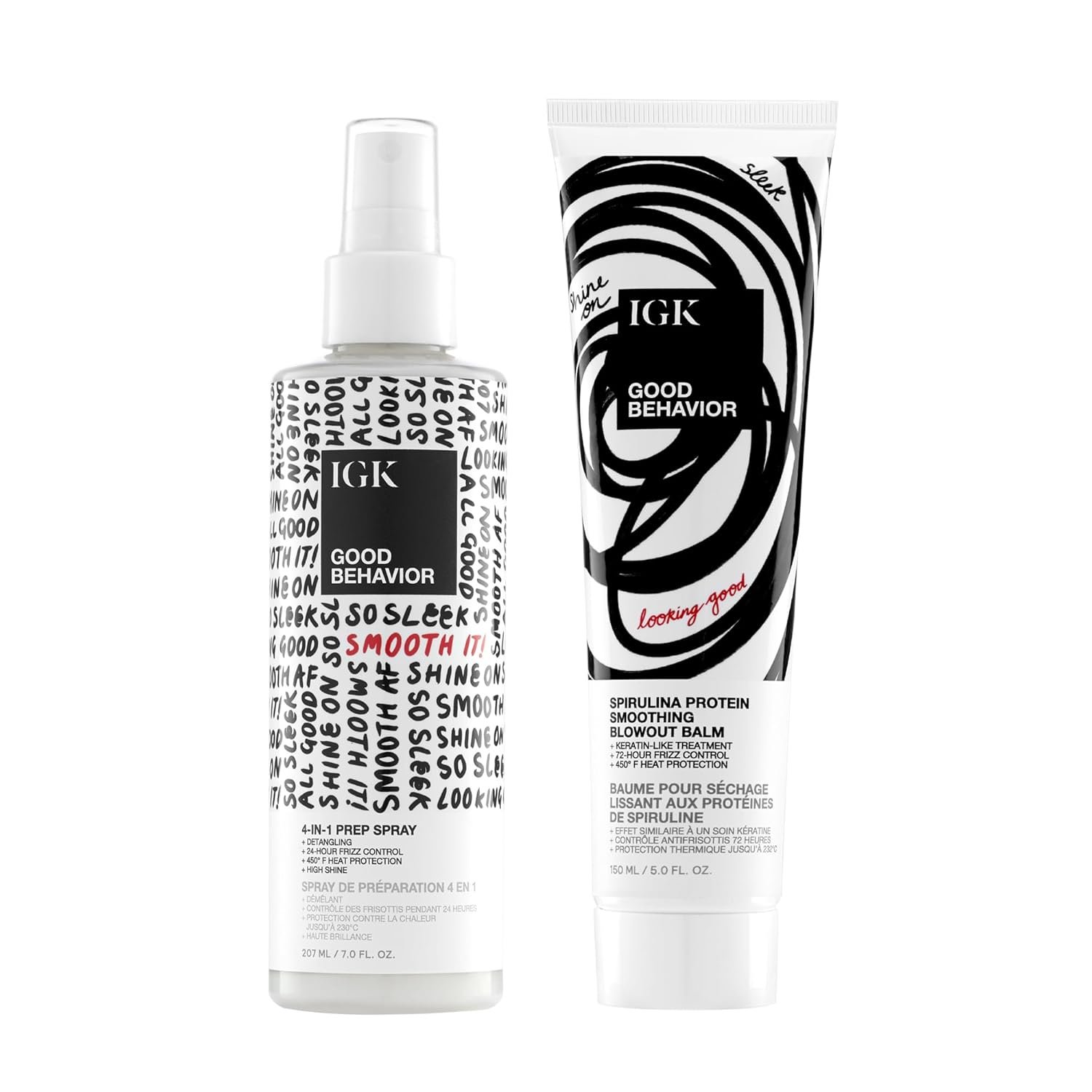
Different heat protectants work better for different hair types. Some are sprays, others are creams or serums. Here’s a quick comparison.
| Type | Best For | Main Ingredient | Protection Level |
|---|---|---|---|
| Spray | Fine curls | Silicone | Medium |
| Cream | Thick curls | Natural oils | High |
| Serum | Dry curls | Argan oil | High |
Spray
Cream
Serum
Practical Tips For Healthy Curly Hair
- Detangle gently using a wide-tooth comb before styling.
- Apply heat protectant evenly from roots to ends.
- Use a microfiber towel to dry hair. Regular towels can cause frizz.
- Section hair before styling to avoid overheating any one area.
- For extra protection, try leave-in conditioners before heat styling.
Many beginners forget to check the tool’s heat level every time. Always adjust your settings based on your hair’s needs, not just the default tool setting. Also, don’t skip deep conditioning after using heat—even if your hair feels fine.
Signs Of Heat Damage In Curly Hair
Heat damage is not always easy to spot. Here are some warning signs:
- Loss of curl pattern: Curls become straight or limp.
- Dryness and brittleness: Hair breaks easily.
- Split ends: Ends look frayed or uneven.
- Frizz: Hair is hard to manage and looks fuzzy.
If you notice these signs, cut back on heat and start a recovery routine. Trimming damaged ends and using protein treatments can help restore health.
Recovering From Heat Damage
If your curls have already suffered, don’t panic. Start by cutting damaged ends and focus on protein-rich masks. Reduce heat use, and consider protective styles like buns or braids while your hair heals. It may take several weeks or months for full recovery, but with patience, curls can bounce back.
Data: Heat Damage By Temperature
Studies show the risk of heat damage increases quickly above certain temperatures.
| Temperature (°F) | Damage Risk | Recommended Use |
|---|---|---|
| 250 | Low | Fine, fragile hair |
| 300 | Moderate | Most curly hair |
| 400+ | Very High | Avoid |
250
300
400+
Expert Advice
Professional stylists recommend using heat protectants even if you are only blow drying. Many people think blow dryers are safe, but they can cause just as much damage as flat irons if used incorrectly. For more information, visit Healthline.
Frequently Asked Questions
Can I Use Heat On Curly Hair Every Day?
No. Using heat daily can lead to permanent damage. Try to limit heat styling to 1–2 times a week for best results.
What Is The Best Heat Protectant For Curly Hair?
Creams and serums with natural oils or silicone usually offer better protection for thick, curly hair. Choose products that suit your hair’s thickness and dryness.
How Can I Restore Curls After Heat Damage?
Start by trimming damaged ends. Use protein treatments and deep conditioners weekly. Limit heat styling until your curls recover their shape and strength.
Does Air Drying Help Protect Curly Hair?
Yes. Air drying is the safest way to dry curly hair. If you use a blow dryer, always use a diffuser and keep the heat low.
Are Some Types Of Curly Hair More Sensitive To Heat?
Yes. Fine, tight curls are more likely to break from heat. If your curls are thin or very coiled, use lower temperatures and extra protection.
Protecting curly hair from heat damage is possible with the right habits and products. By understanding your hair, choosing safe tools, and using protective products, you can enjoy styling without risking your curls. Stay consistent with these steps, and your hair will stay healthy, shiny, and full of life.