Jump To Section
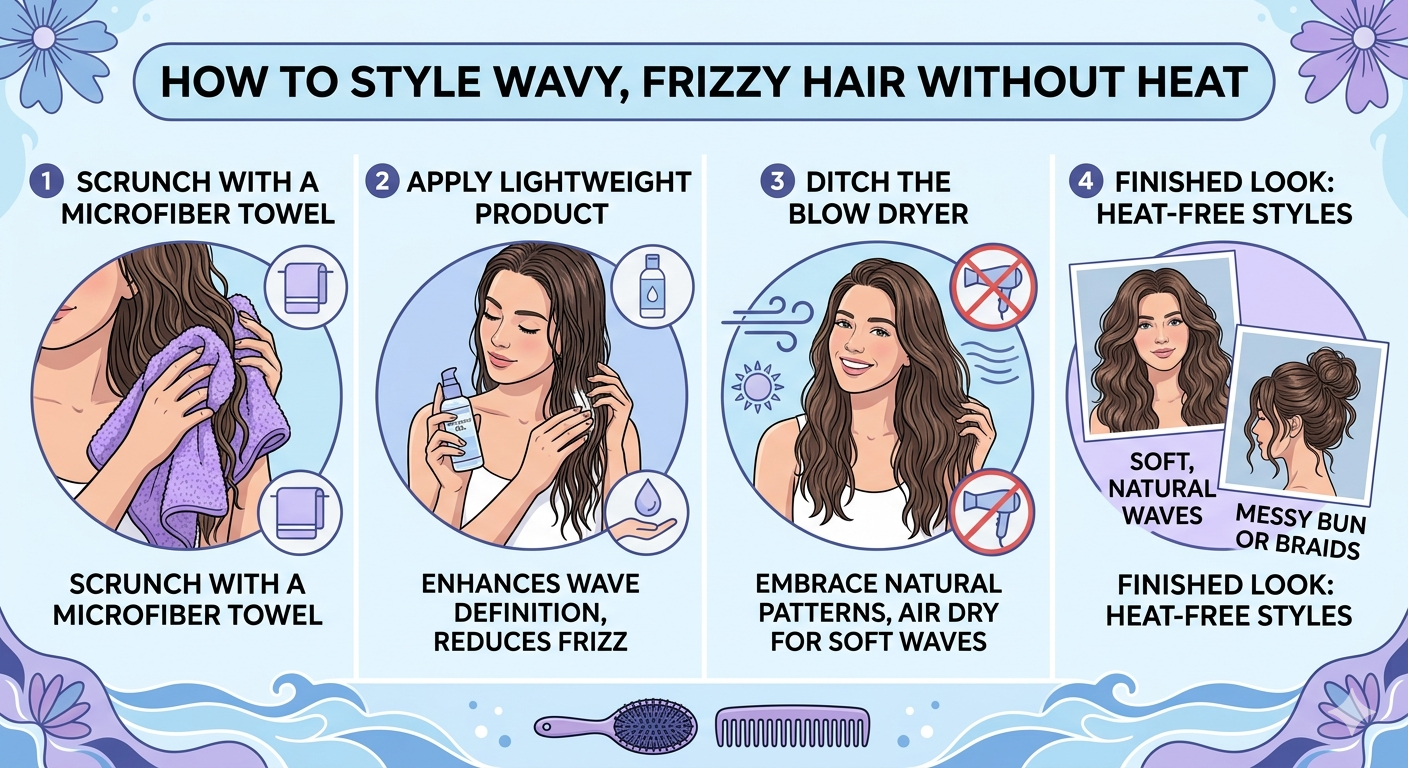
Styling wavy frizzy hair without heat can feel tricky, especially if you want defined waves and less frizz. Many people fight their hair’s natural texture, but with the right steps, you can embrace waves and control frizz. This guide helps you achieve smooth, beautiful waves—no flat irons or blow dryers needed.
Understanding Wavy Frizzy Hair
Wavy hair often sits between straight and curly. It’s prone to frizz because the cuticle layer is uneven, letting moisture in and out too easily. Humidity, harsh products, and rough handling make frizz worse.
Studies show that about 40% of people have wavy hair types, and frizz is the most common complaint (source: International Journal of Trichology, 2020). Learning to style your hair without heat helps protect the cuticle and keeps your waves healthy.
Prepping Hair For Styling
Proper prep is the foundation of frizz-free waves.
1. Gentle Cleansing
Use a sulfate-free shampoo. Sulfates strip natural oils, making frizz worse. Look for shampoos labeled “moisturizing” or “for wavy hair.”
2. Deep Conditioning
Apply a hydrating conditioner or mask. Leave it on for at least 5 minutes. This adds moisture, reduces tangles, and creates a smoother base.
3. Detangling
Detangle with a wide-tooth comb while your hair is wet and conditioned. Start at the ends, moving up to the roots.
4. Microfiber Towel
Replace rough towels with a microfiber towel or an old cotton t-shirt. These are gentler and reduce friction, which is a major cause of frizz.
Styling Methods Without Heat
You don’t need heat tools to style wavy hair. These methods are safe and effective.
Air-drying For Defined Waves
Air-drying works best with the right products and techniques.
- Apply a leave-in conditioner or curl cream to damp hair.
- Scrunch gently upwards to boost wave shape.
- Let your hair air dry. Don’t touch it as it dries—this prevents frizz.
- For extra definition, twist small sections and let them dry.
Braids And Twists For Wave Enhancement
Creating waves with braids or twists is simple.
- Divide damp hair into 2–4 sections.
- Braid or twist each section tightly.
- Leave in until hair is fully dry (usually 3–6 hours).
- Undo braids/twists and gently separate waves with fingers.
Braids create more uniform waves, while twists give a softer, natural look.
Plopping Technique
“Plopping” is popular for wavy and curly hair.
- After applying styling products, lay a cotton t-shirt flat.
- Flip your head forward and place hair in the center.
- Wrap and tie the shirt around your head.
- Leave for 15–30 minutes, then air dry.
Plopping sets waves and reduces frizz. It’s also quick for busy mornings.
Key Products For Wavy Frizzy Hair
Choosing the right products makes a big difference. Here’s a comparison of popular types:
| Product Type | Main Benefit | Best For |
|---|---|---|
| Leave-in Conditioner | Hydrates, softens | Everyday use |
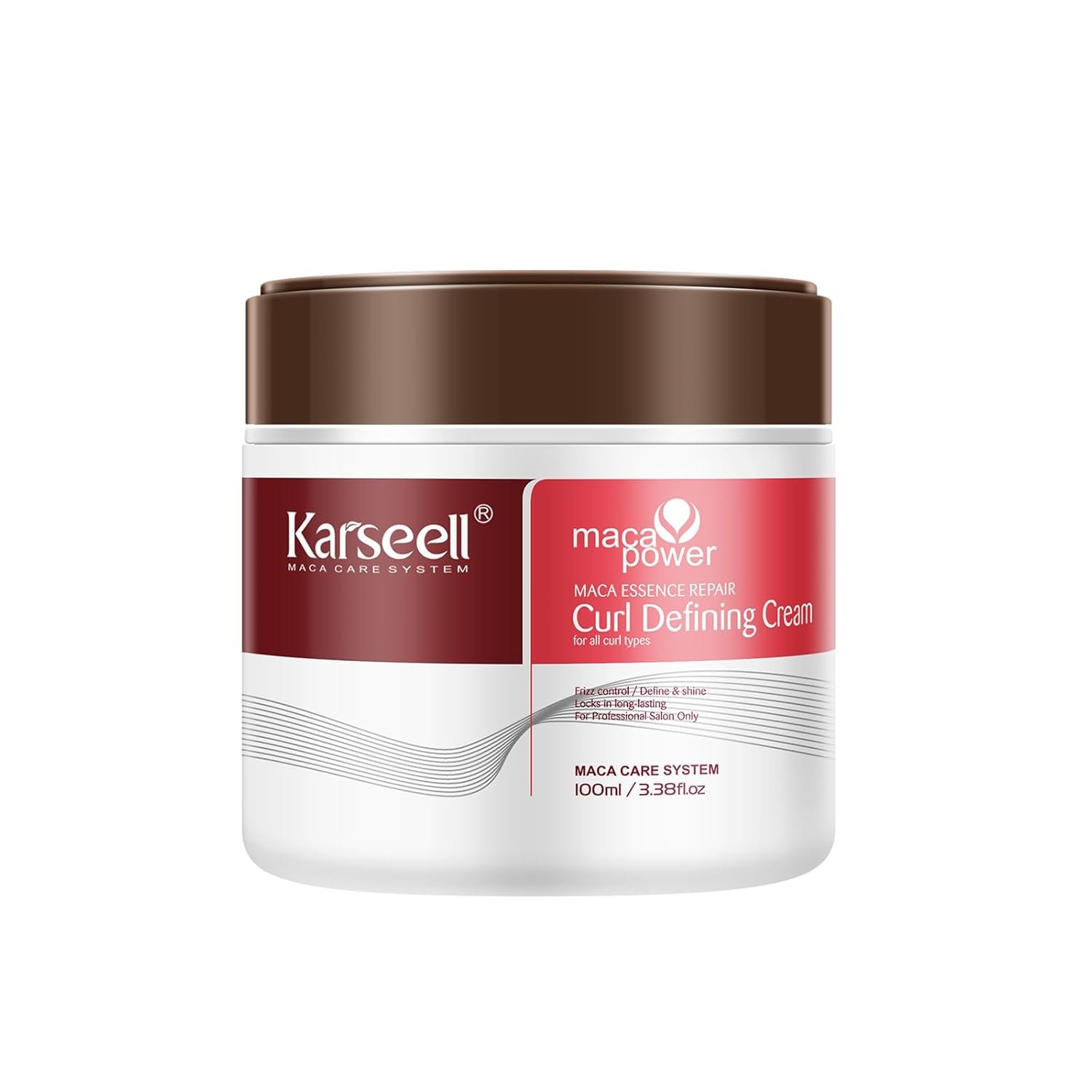
| Curl Cream | Defines waves | Medium/thick hair |
| Anti-Frizz Serum | Seals cuticle | Humid climates |
Leave-in Conditioner
Curl Cream
Anti-Frizz Serum
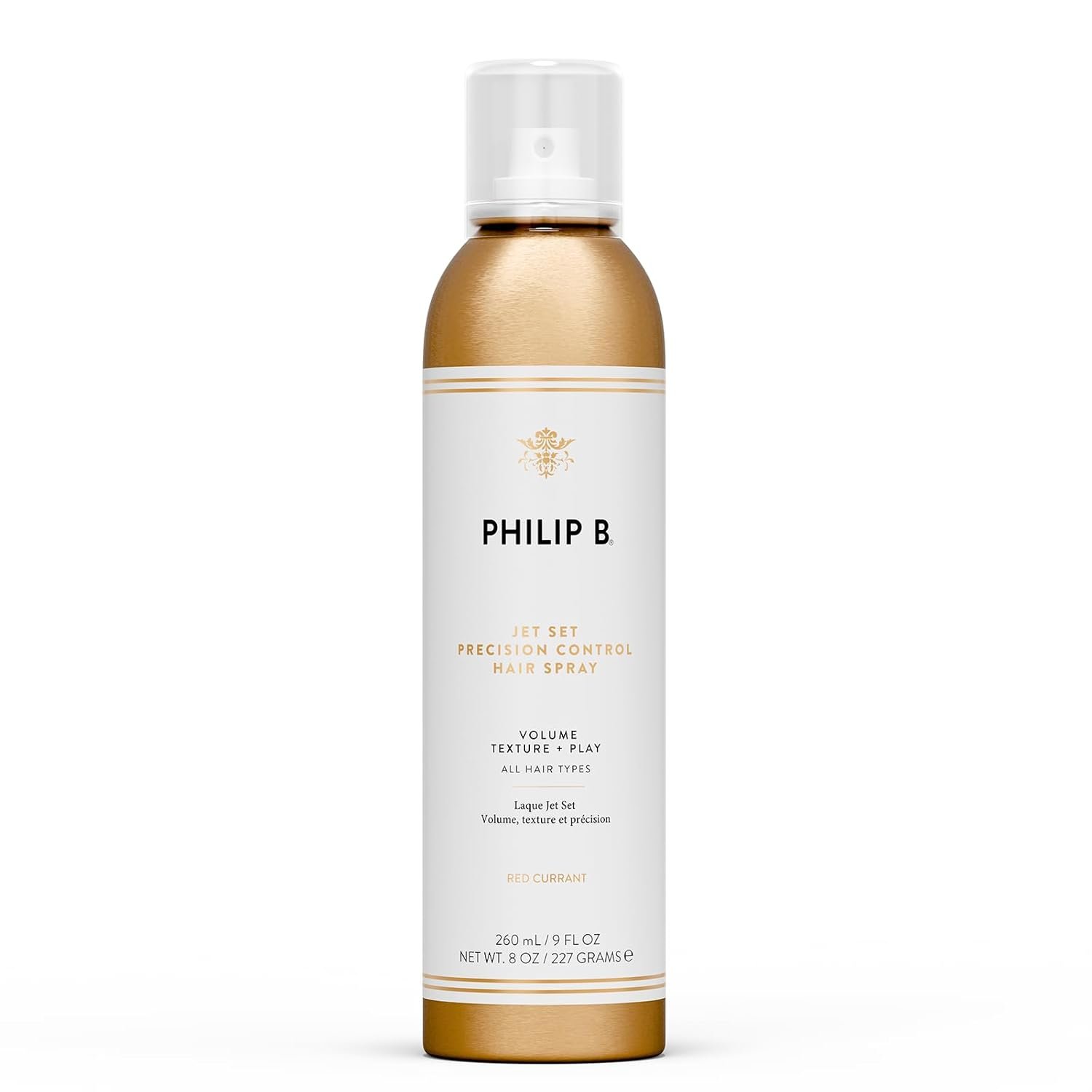
Look for products with argan oil, sheabutter, or glycerin. Avoid alcohol-heavy formulas—they dry hair and cause more frizz.

How To Apply Products For Best Results
Correct application is key.
- Use a dime-sized amount of product per section. Too much weighs hair down.
- Apply to damp hair, not soaking wet or dry.
- Focus on mid-lengths and ends, where frizz is worst.
- Scrunch upwards to encourage waves.
Here’s a quick comparison of application tips:
| Step | Why It Matters | Common Mistake |
|---|---|---|
| Apply to Damp Hair | Absorbs better | Applying to dry hair |
| Scrunch, Don’t Rub | Boosts waves | Rough towel drying |
| Use Light Touch | Reduces frizz | Over-manipulation |
Apply to Damp Hair
Scrunch, Don’t Rub
Use Light Touch
Humidity Protection And Frizz Control
Humidity is the enemy of wavy hair. Here’s how to protect your waves:
- Use anti-humidity sprays or serums before heading outside.
- Wear a silk scarf or sleep on a silk pillowcase—silk reduces friction and keeps waves smooth.
- Avoid brushing dry hair. Brushes break up waves and cause frizz. Use fingers or a wide-tooth comb.
A non-obvious tip: Clarify your scalp once a month. Product buildup blocks moisture and can cause frizz even if you use good products.
Real-life Example
Consider Maria, who lives in Miami (very humid). She stopped using heat and switched to leave-in conditioners, plopping, and silk pillowcases. After a month, her waves were more defined, and she saw 30% less frizz. Her hair also felt softer and looked shinier.
Common Mistakes To Avoid
- Using too much product: Heavy styling creams can weigh down waves.
- Rough towel drying: Always use microfiber or cotton.
- Brushing dry hair: Only detangle when wet.
- Skipping deep conditioning: Moisture is key for frizz control.
- Not protecting from humidity: Always use anti-frizz sprays.
Frequently Asked Questions
How Can I Reduce Frizz Without Buying Expensive Products?
Simple home remedies help. Try coconut oil or aloe vera gel on damp hair. Use a cotton t-shirt for drying. Consistency matters more than price.
Is Air-drying Always Better For Wavy Hair?
Usually yes, but it depends on your climate and hair type. In humid areas, air-drying without anti-frizz products may cause more frizz. Adjust your routine as needed.
Can I Style Wavy Frizzy Hair Overnight?
Yes. Braid or twist damp hair before bed and use a silk pillowcase. In the morning, loosen braids and separate waves gently. This saves time and keeps waves defined.
How Often Should I Deep Condition?
For most wavy hair, once a week is enough. If your hair feels dry or frizzy, increase to twice weekly. Regular conditioning prevents breakage and enhances wave shape.
Are There Any Professional Tips For Managing Frizz?
Try the “leave-in layering” method: Apply leave-in conditioner, then curl cream, and finish with anti-frizz serum. This creates a moisture barrier and gives longer-lasting results. For more in-depth advice, check the Healthline guide.
Styling wavy frizzy hair without heat is simple with the right prep, products, and routines. Embrace your natural texture, use gentle methods, and enjoy healthy, defined waves every day.