Jump To Section
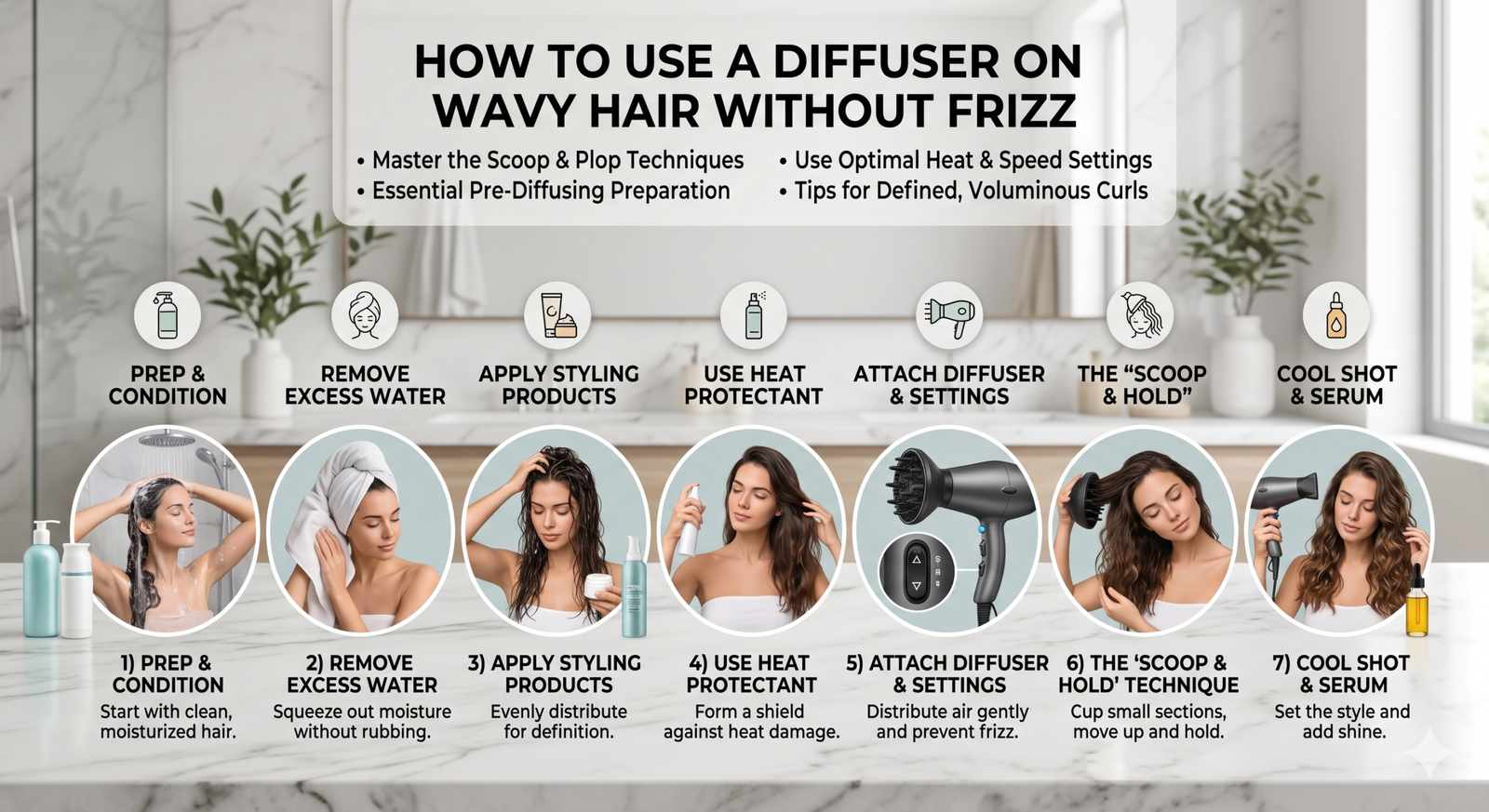
Wavy hair brings a unique charm and texture, but keeping it frizz-free can be tricky. Many people struggle with frizz when trying to dry their waves, especially using heat tools. The diffuser is one tool that can change everything—if used correctly. With the right technique, you can enhance your waves, add volume, and avoid frizz. This guide covers everything you need to know to use a diffuser on wavy hair, from preparation to finishing touches, with practical advice and real examples.
Why Diffusers Matter For Wavy Hair
A diffuser is an attachment for your hair dryer. It spreads the airflow, so heat is less direct and harsh. This is important for wavy hair because strong air can disturb the wave pattern and cause frizz. Diffusers help keep waves defined and soft.
Many hair stylists recommend diffusers for wavy hair because:
- They speed up drying without roughing up the cuticle.
- They add natural volume.
- They limit frizz compared to air drying or regular blow drying.
Recent hair care studies show that using a diffuser can reduce frizz by up to 40% compared to standard drying methods. That’s a big improvement for anyone looking for smooth, bouncy waves.

Preparing Your Wavy Hair
Success starts before you even turn on the dryer. Prepping wavy hair the right way reduces frizz and makes waves look their best.
- Wash with gentle shampoo: Choose sulfate-free products to avoid dryness.
- Condition deeply: Hydrated hair is less prone to frizz. Use a conditioner made for waves.
- Detangle carefully: Use a wide-tooth comb while hair is wet. Never brush dry wavy hair.
- Apply styling products: Lightweight leave-in conditioners, curl creams, or mousse help define waves and protect from heat.
Letting your hair air dry for 10–15 minutes before diffusing can minimize heat exposure and prevent dryness.
Product Comparison: Best Styling Aids For Wavy Hair
Here’s a quick overview of popular styling aids for wavy hair:
| Product | Main Benefit | Frizz Control |
|---|---|---|
| Curl Cream | Defines waves | High |
| Leave-In Conditioner | Hydrates hair | Medium |
| Mousse | Adds volume | Medium |
Curl Cream
Leave-In Conditioner
Mousse
Choose products based on your hair’s needs and texture.

The Right Diffuser Technique
Using a diffuser is not just about turning it on. Your technique makes a huge difference in how your waves look.
Step-by-step Diffusing For Wavy Hair
- Section your hair: Divide your hair into 2–4 parts. This helps you dry evenly and avoid over-drying some areas.
- Set dryer to low or medium heat: High heat creates frizz. Low heat is best for wavy hair.
- Start at the ends: Gently place hair into the diffuser bowl, then lift toward the scalp. Hold for a few seconds.
- Use upward motions: Move the diffuser in slow, upward circles. Don’t rub or shake the diffuser.
- Don’t touch hair too much: Hands can disturb waves and cause frizz.
- Finish with cool air: Once hair is 80–90% dry, switch to cool air to set waves and reduce frizz.
Mistakes To Avoid
- Using high heat or speed.
- Not sectioning hair—leads to uneven drying.
- Touching hair while drying.
- Skipping product—leaves hair exposed to heat.
Many beginners miss the importance of air direction. Always aim the diffuser upward; aiming it sideways or downward can flatten waves and create frizz.
Choosing The Best Diffuser For Your Hair
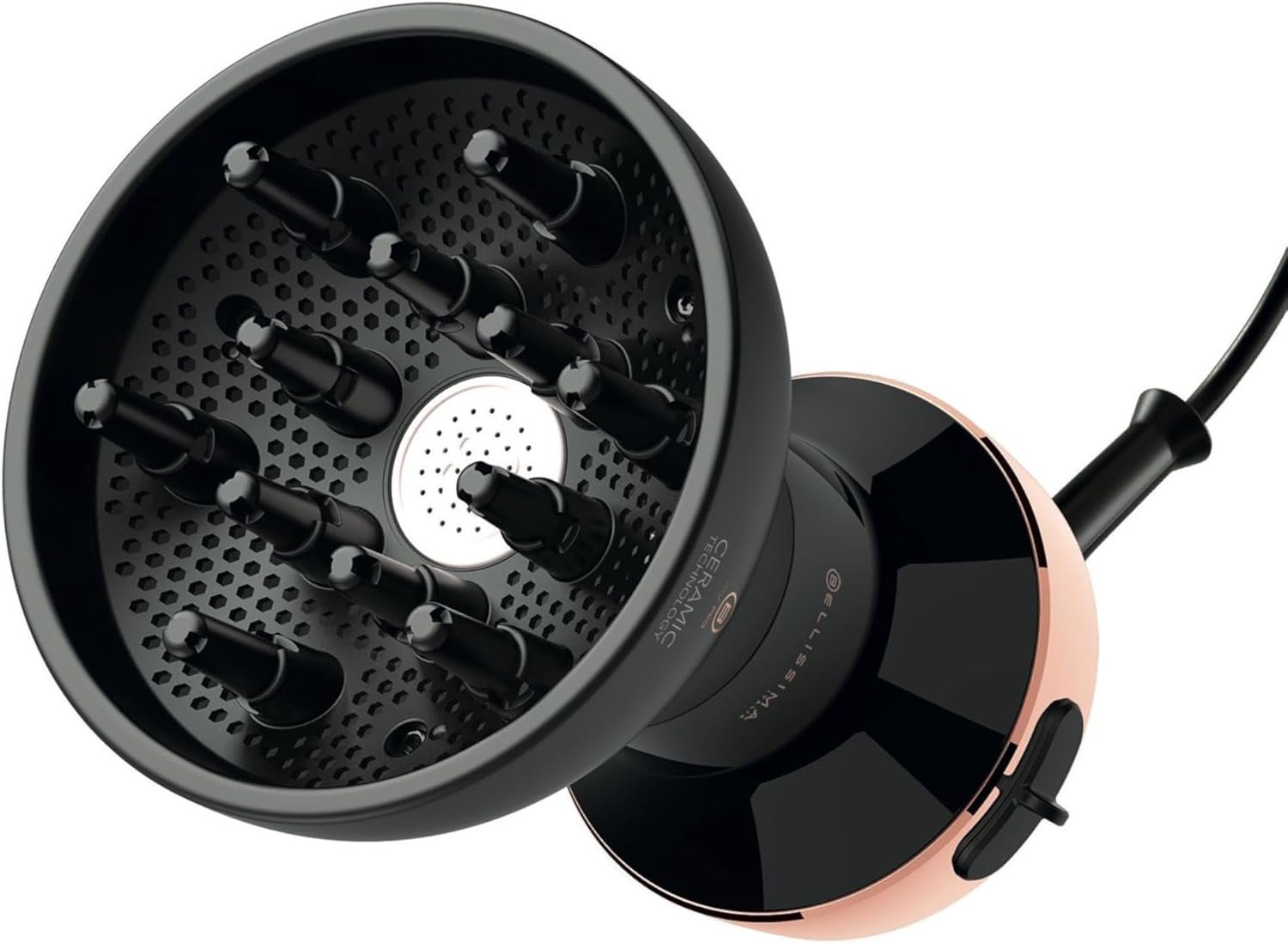
Not all diffusers are equal. Some work better for wavy hair than others. Look for these features:
- Wide bowl: Fits more hair, creates bigger waves.
- Long fingers: Lifts hair at the roots for volume.
- Soft material: Silicone diffusers are gentle and travel-friendly.
Diffuser Comparison
Here’s how common diffuser types compare:
| Diffuser Type | Best For | Price Range |
|---|---|---|
| Wide Bowl | Thick, wavy hair | $20–$50 |
| Finger Diffuser | Fine, short hair | $15–$40 |
| Silicone Collapsible | Travel and all hair types | $10–$30 |
Wide Bowl
Finger Diffuser
Silicone Collapsible
A wide bowl diffuser is often best for wavy hair, but fine hair may prefer finger diffusers for less bulk.
Finishing Touches And Extra Tips
Once your hair is dry, how you finish matters for lasting results.
- Don’t brush dry waves: This creates frizz.
- Scrunch with hands: If waves look stiff, gently scrunch to soften.
- Apply light oil: Oils like argan or jojoba tame flyaways. Use a pea-sized amount.
- Sleep with silk pillowcase: Silk reduces friction and helps waves stay smooth overnight.
A non-obvious insight: Let your waves cool in their shape before touching them. The cooling process sets the wave pattern, so you get less frizz and more definition.
Another tip: Try diffusing upside down if you want extra volume at the roots. This works well for most wavy hair, but avoid it if your hair is very fine, as it can tangle.
Frequently Asked Questions
What Is The Best Heat Setting For Diffusing Wavy Hair?
Low to medium heat is ideal. High heat increases frizz and can damage hair. Always finish with a cool blast to set waves.
How Long Does Diffusing Wavy Hair Usually Take?
It takes about 15–25 minutes depending on hair thickness and length. Air drying first for 10 minutes can reduce total time.
Can I Use A Diffuser Every Day?
Yes, but it’s best to limit heat exposure. Use gentle products and avoid over-drying. If you notice dryness, reduce frequency.
Why Does My Wavy Hair Look Frizzy After Diffusing?
Common causes are high heat, not using styling products, or touching hair too much during drying. Adjust your technique and product use.
Is A Diffuser Better Than Air Drying For Wavy Hair?
For defined waves and less frizz, diffusing is often better than air drying, especially when you follow the right steps. Learn more at Healthline.
Getting frizz-free, defined wavy hair with a diffuser is possible with the right preparation, technique, and finishing touches. Choosing the right products and tools, avoiding heat mistakes, and using gentle motions make all the difference. With these steps, your waves will look healthy, shiny, and smooth—no frizz in sight.