
Most people use moisturizers daily, but few really know what is inside the bottle. Choosing the right product can feel confusing, especially with so many names and claims on the label. Understanding moisturizer ingredients helps you pick what works best for your skin and avoid things that might cause problems. This knowledge also saves money and prevents skin irritation. Let’s break down the most important ingredients, why they matter, and how they work together.
The Three Main Types Of Moisturizer Ingredients
Moisturizers combine several types of ingredients, each with a unique role. The three main categories are humectants, emollients, and occlusives.
Humectants
Humectants are ingredients that attract water to your skin. They draw moisture from the air or deeper layers of your skin, keeping the surface hydrated. Common humectants include:
- Glycerin: Very gentle and found in most moisturizers.
- Hyaluronic acid: Holds up to 1,000 times its weight in water.
- Propylene glycol: Used in many lotions for its moisture-binding abilities.
- Urea: Also helps exfoliate dead skin cells.
- Sodium PCA: A natural part of your skin’s own hydration system.
Humectants work best in humid environments. In dry weather, they can sometimes pull water out of your skin if not paired with occlusives.
Emollients
Emollients fill in gaps between skin cells, making the skin feel smooth and soft. They help repair the skin barrier, which keeps irritants out and moisture in. Examples are:
- Ceramides: Lipids naturally found in skin.
- Fatty acids: Such as those from coconut oil or shea butter.
- Squalane: Lightweight and non-greasy, good for oily skin.
- Cholesterol: Works with ceramides and fatty acids to strengthen skin.
Emollients are important if your skin feels rough or flaky. They make the skin look and feel healthy.
Occlusives
Occlusives form a protective layer on top of the skin. This layer locks in water and prevents it from evaporating. Some popular occlusives include:
- Petrolatum (Vaseline): Blocks almost 99% of water loss.
- Dimethicone: A silicone that feels lighter than petrolatum.
- Beeswax: Natural and often used in lip balms.
- Lanolin: From sheep’s wool; very rich and softening.
People with very dry skin benefit most from occlusives, especially in cold or dry weather.
Other Important Moisturizer Ingredients
Besides the main types, moisturizers often contain other ingredients for added benefits.
Antioxidants
Antioxidants protect skin from free radicals—unstable molecules that damage cells. This can slow signs of aging. Some common antioxidants are:
- Vitamin E (tocopherol): Neutralizes free radicals and boosts other antioxidants.
- Vitamin C (ascorbic acid): Brightens skin and supports collagen.
- Green tea extract: Soothes and protects sensitive skin.
- Niacinamide (Vitamin B3): Reduces redness, strengthens the skin barrier, and evens tone.
Skin Soothers
Some ingredients calm irritation and reduce redness:
- Aloe vera: Cools and hydrates, great for sensitive or sunburned skin.
- Allantoin: From the comfrey plant, helps heal and protect.
- Panthenol (pro-vitamin B5): Softens and soothes.
Preservatives
Preservatives stop bacteria and mold from growing in your moisturizer. Without them, creams spoil quickly. Some common ones are:
- Phenoxyethanol: Widely used and considered safe in low amounts.
- Potassium sorbate: Gentle and often in natural products.
- Sodium benzoate: Also found in foods.
Fragrances And Dyes
Manufacturers add fragrances and dyes for scent and color. However, these can irritate sensitive skin. If you notice redness or stinging, choose fragrance-free products.
Credit: www.spectrumdermatologyseattle.com
Comparing Popular Moisturizer Ingredients
To help you see how different ingredients work, here’s a simple comparison of three popular humectants:
| Ingredient | Water Attraction | Skin Feel | Best For |
|---|---|---|---|
| Glycerin | High | Light, non-sticky | All skin types |
| Hyaluronic Acid | Very high | Silky, absorbs fast | Dehydrated skin |
| Urea | High + exfoliating | Softening | Rough, flaky skin |
How To Read A Moisturizer Label
Understanding the order of ingredients on a label can help you choose better products.
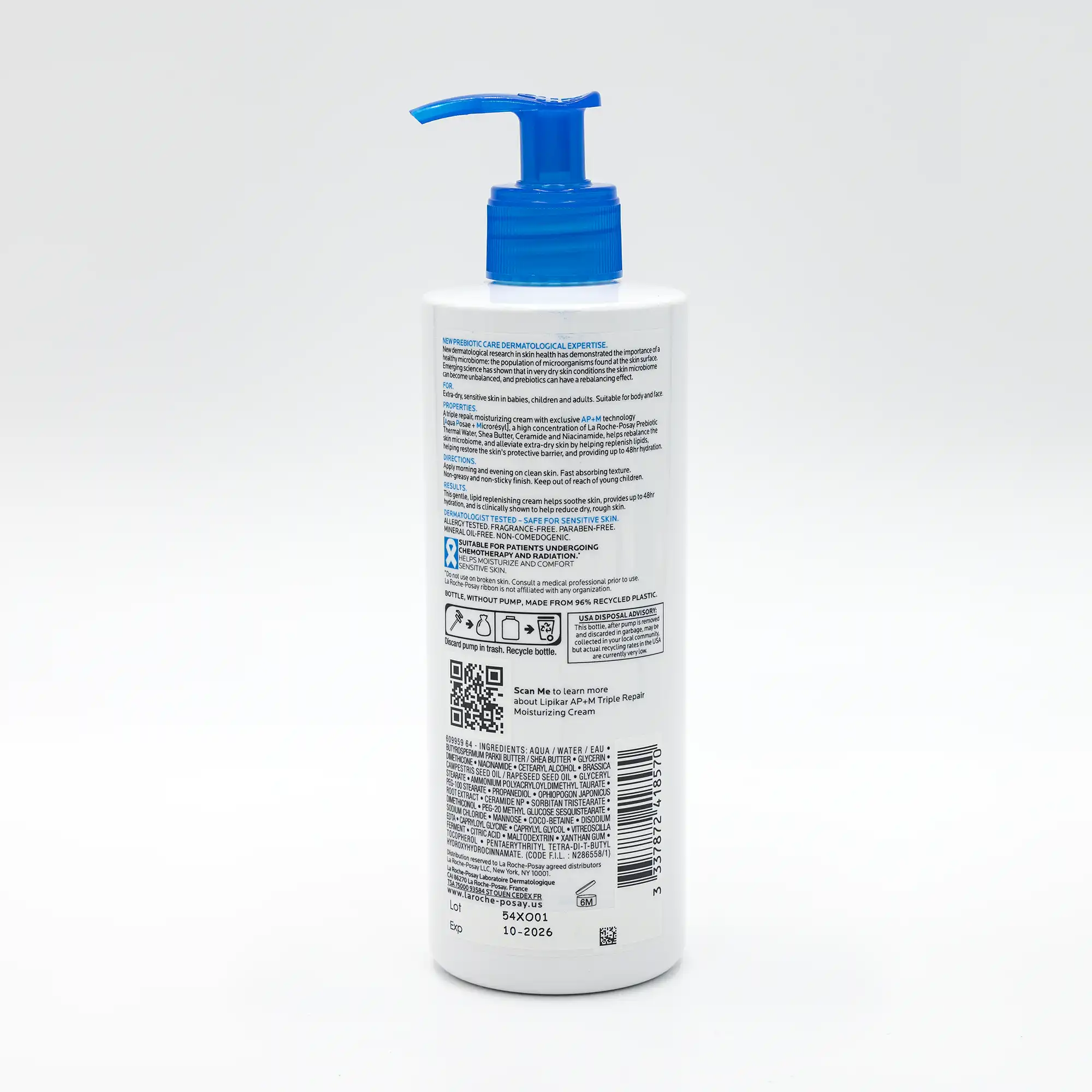
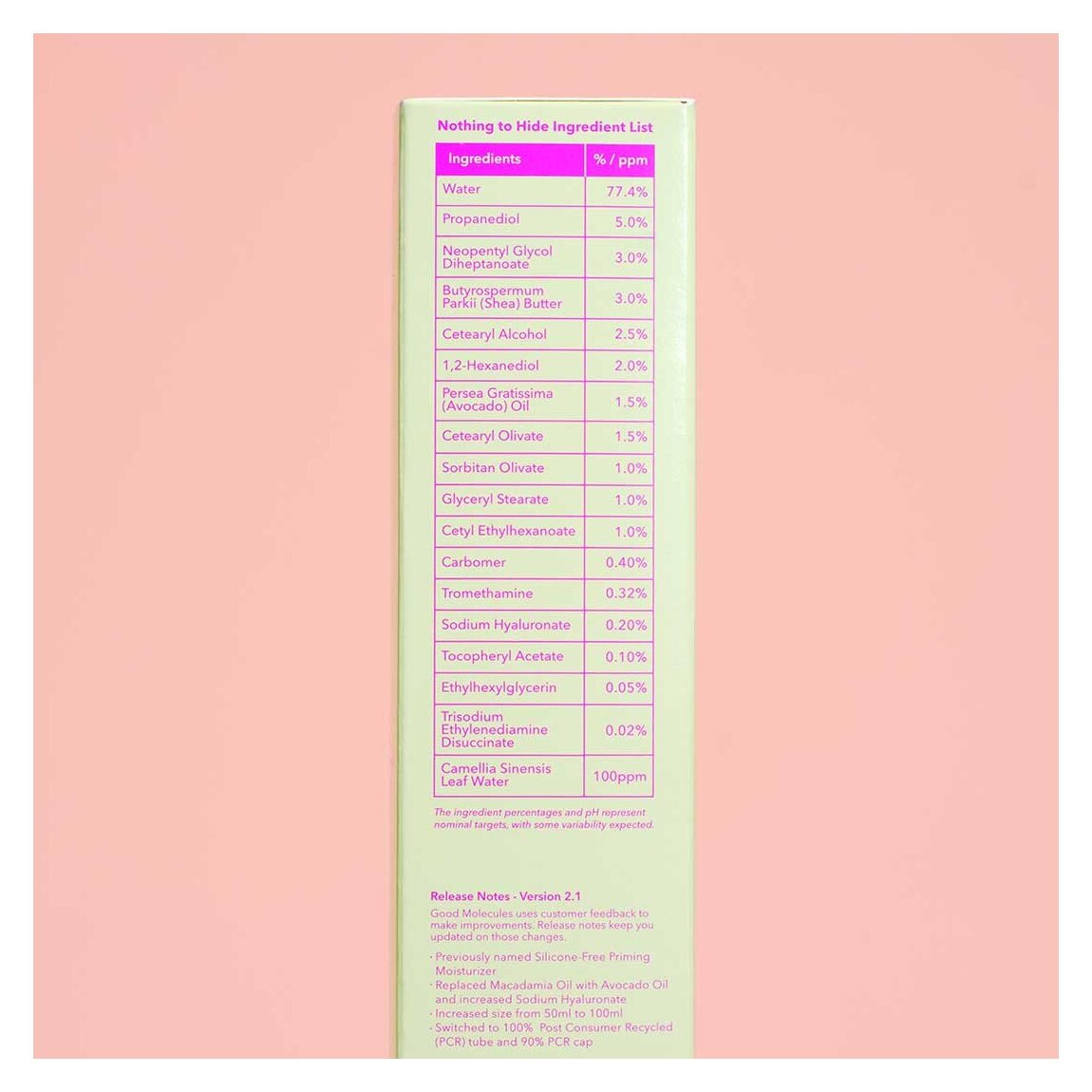
- Ingredients are listed from highest to lowest amount.
- Active ingredients (like sunscreen agents) are listed first, then everything else.
- Key moisturizers (glycerin, ceramides, petrolatum) should appear in the top half for most benefit.
- Watch for irritants (fragrances, alcohol) if you have sensitive skin.
Moisturizer Ingredients For Different Skin Types
Not all ingredients work for everyone. Here’s a quick guide for choosing based on skin type:
| Skin Type | Best Ingredients | What to Avoid |
|---|---|---|
| Dry | Ceramides, petrolatum, fatty acids | Alcohol, harsh exfoliants |
| Oily | Niacinamide, hyaluronic acid, squalane | Heavy oils, petrolatum (can feel greasy) |
| Sensitive | Allantoin, panthenol, fragrance-free | Fragrance, dyes, strong acids |
| Combination | Light emollients, balanced humectants | Heavy occlusives on oily areas |
Two Insights Beginners Often Miss
First, many people think natural ingredients are always safer. Some natural oils or plant extracts can actually cause allergies or irritation. Always patch-test new products.
Second, more ingredients are not always better. Simple formulas with fewer ingredients often work best, especially for sensitive or acne-prone skin.

Credit: chemistconfessions.com
Practical Tips For Getting The Most From Your Moisturizer
- Apply moisturizer on damp skin to lock in water.
- Use a heavier moisturizer at night if your skin is dry.
- Switch formulas with the seasons: Lighter in summer, richer in winter.
- Don’t forget your neck and hands—they show aging too.
For deeper research on skin ingredients, check the National Institutes of Health.
Frequently Asked Questions
What Does “non-comedogenic” Mean In Moisturizer Ingredients?
Non-comedogenic means the product is less likely to clog pores. This is important for oily or acne-prone skin. Look for this word on the label if you often get pimples.
Are Alcohols In Moisturizers Bad For Skin?
Not all alcohols are bad. Fatty alcohols (like cetyl or stearyl alcohol) soften skin and are safe. Avoid denatured alcohol or SD alcohol if you have dry or sensitive skin, as these can be drying.
Can Moisturizer Ingredients Cause Allergies?
Yes, some ingredients—especially fragrances, essential oils, and certain preservatives—can trigger allergies. If you react to a product, stop using it and choose fragrance-free or hypoallergenic options.
How Do I Know If A Moisturizer Ingredient Is Right For Me?
Try a patch test: put a small amount on your inner arm for two days. If there’s no redness or itching, it’s likely safe for your face.
Should I Use Different Moisturizers For Day And Night?
Daytime moisturizers often include sunscreen and feel lighter. Night creams are usually richer to help repair skin overnight. You don’t have to use two, but it can help if you have very dry or aging skin.
Understanding moisturizer ingredients makes it easier to care for your skin. Choose what fits your needs, avoid what irritates, and enjoy healthier skin every day.
Credit: www.goodmolecules.com