Jump To Section
- What Is Retinol Serum?
- How To Use Retinol Serum Step By Step
- When To Apply Retinol Serum
- How To Choose The Right Retinol Serum
- Common Mistakes To Avoid
- Side Effects And How To Manage Them
- Results Timeline: When Will You See Changes?
- Retinol Serum Vs. Other Anti-aging Ingredients
- Insider Tips For Better Results
- Frequently Asked Questions

Anyone interested in skincare has probably heard of retinol serum. It is a star ingredient for fighting wrinkles, acne, and dull skin. But many people are unsure how to use it the right way. Using retinol incorrectly can cause redness, dryness, or even peeling. If you want the best results and fewer side effects, you need to understand how to use retinol serum safely and effectively.
What Is Retinol Serum?
Retinol is a type of vitamin A. It boosts cell turnover, helps fade dark spots, and reduces fine lines. Retinol serums are lightweight liquids that deliver this powerful ingredient deep into your skin. You can buy them in different strengths, from gentle to very strong.
Many dermatologists recommend retinol for:
- Smoother texture
- Fewer breakouts
- Brighter, more even skin tone
Most products are available over the counter, but some stronger versions need a doctor’s prescription.
How To Use Retinol Serum Step By Step
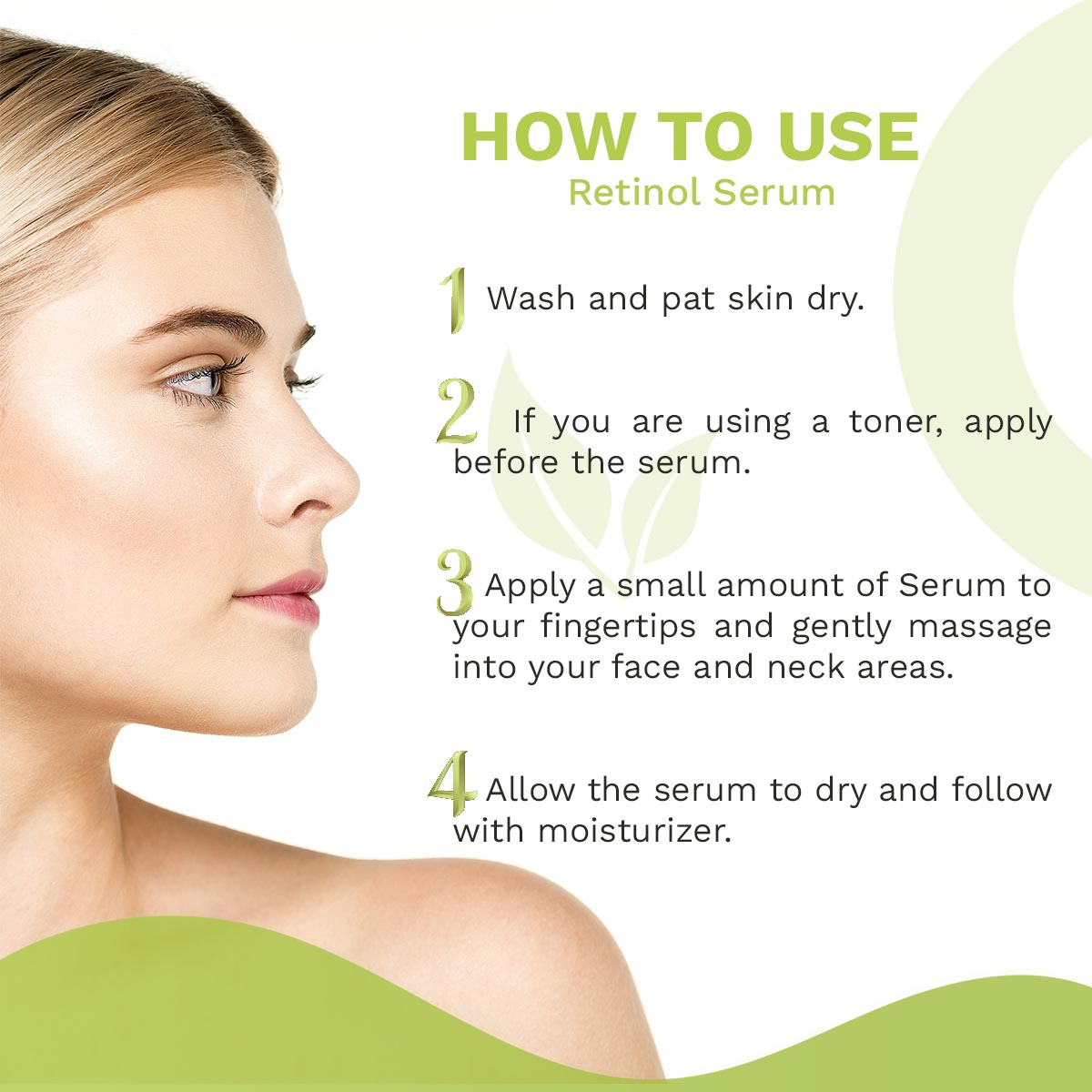
If you are new to retinol, starting slow is key. Here is a simple routine for beginners:
- Cleanse your face with a gentle face wash. Do not use scrubs or harsh cleansers.
- Wait until your skin is completely dry. Damp skin can increase irritation.
- Take a pea-sized amount of retinol serum.
- Apply evenly to your face, avoiding eyes, lips, and corners of the nose.
- Follow with a gentle moisturizer to prevent dryness.
- Use sunscreen every morning, because retinol makes your skin extra sensitive to the sun.
Most experts suggest starting with retinol only 2 times a week. Slowly increase to every other night, and then nightly if your skin can handle it.
When To Apply Retinol Serum
Retinol should be used at night. Sunlight can make it less effective. The ideal order is:
- Cleanser
- (Optional: Toner)
- Retinol serum
- Moisturizer
If you use other treatments (like vitamin C or acids), keep them for mornings, not the same night as retinol.
How To Choose The Right Retinol Serum
Picking the right serum can be confusing. Strength, formula, and price all matter. Here’s a quick look at what to compare:
| Type | Strength | Best For |
|---|---|---|
| Gentle (0.1%–0.3%) | Low | Beginners, sensitive skin |
| Standard (0.5%–1%) | Medium | Normal skin, mild aging |
| Strong (1%+) | High | Experienced users, deep wrinkles |
Gentle (0.1%–0.3%)
Standard (0.5%–1%)
Strong (1%+)
If you have never tried retinol, start with a low percentage. It is better to see results slowly with no irritation than to rush and damage your skin.

Credit: organictraveller.store
Common Mistakes To Avoid
Many people make the same errors with retinol. Avoid these to get the best results:
- Using too much: A little goes a long way. More serum does not mean faster results.
- Skipping sunscreen: Sun protection is a must, even on cloudy days.
- Mixing with harsh products: Do not use retinol with scrubs, strong acids, or benzoyl peroxide on the same night.
- Not moisturizing enough: Dryness and flakiness are common at first. Use a rich moisturizer to stay comfortable.
One less obvious mistake is stopping retinol after a small breakout. Some irritation is normal in the first weeks. This is called “retinization. ” Give your skin time to adjust.
Side Effects And How To Manage Them
Retinol can cause redness, peeling, and dryness—especially when you first start. Here are some tips for handling side effects:
- Use retinol less often if your skin gets very red or sore.
- Try the “sandwich method”: Moisturizer first, then retinol, then moisturizer again.
- Avoid hot water and harsh cleansers.
- If you have sensitive skin, look for formulas with niacinamide or ceramides. These help calm and repair your skin.
If you are pregnant or breastfeeding, check with your doctor before using any retinol product.
Credit: flalab.com
Results Timeline: When Will You See Changes?
Retinol is not an overnight miracle. Most people see smoother, brighter skin in 4 to 12 weeks. Deeper lines and dark spots may take up to 6 months to improve.
Here is a rough timeline for what you might notice:
| Weeks of Use | What to Expect |
|---|---|
| 1–2 | Mild redness, dryness, some flaking |
| 3–6 | Brighter tone, fewer breakouts |
| 8–12 | Smoother texture, reduced fine lines |
| 16+ | Fading of dark spots, deeper wrinkles soften |
1–2
3–6
8–12
16+
Not everyone will have the same experience. If you stick with it and protect your skin from the sun, most people see good changes.
Retinol Serum Vs. Other Anti-aging Ingredients
How does retinol compare to other popular ingredients? Here is a quick comparison:
| Ingredient | Main Benefit | Best For |
|---|---|---|
| Retinol | Cell turnover, fights wrinkles | Aging, acne, uneven skin tone |
| Vitamin C | Brightening, protects from sun damage | Dullness, dark spots |
| Peptides | Firming, collagen support | Loss of firmness |
| Hyaluronic Acid | Hydration | Dry, dehydrated skin |
Retinol
Vitamin C
Peptides
Hyaluronic Acid
Retinol is often called the “gold standard” for anti-aging. It works well alone or with other gentle ingredients.
Insider Tips For Better Results
Here are a few extra tips most beginners miss:
- Apply retinol to your neck and chest, not just your face. These areas show age, too.
- Store your serum in a cool, dark place. Light and heat can break down retinol.
- Do not give up if you get mild irritation. Most people adjust after a few weeks.
If you want more science-backed details, you can visit this American Academy of Dermatology page.
Frequently Asked Questions
How Long Does It Take For Retinol Serum To Work?
Most people see smoother, brighter skin in 4 to 12 weeks. Deeper changes, like fewer wrinkles or faded dark spots, can take several months.
Can I Use Retinol Serum Every Night?
Yes, but only if your skin can handle it. Start with 2 times per week and slowly increase. If you get a lot of redness or dryness, cut back.
What Should I Avoid When Using Retinol?
Avoid strong acids, scrubs, and other harsh treatments at the same time. Always use sunscreen in the morning.
Is Retinol Safe For Sensitive Skin?
Low-strength retinol can work for sensitive skin, but start very slowly. Look for serums with calming ingredients like ceramides or niacinamide.
Can I Use Retinol Serum With Vitamin C?
Yes, but not at the same time. Use vitamin C in the morning and retinol at night for best results.
Using retinol serum the right way can transform your skin. Start slow, protect your skin from the sun, and be patient. With regular use, you will likely see smoother, clearer, and younger-looking skin over time.

Credit: www.amazon.com