Jump To Section
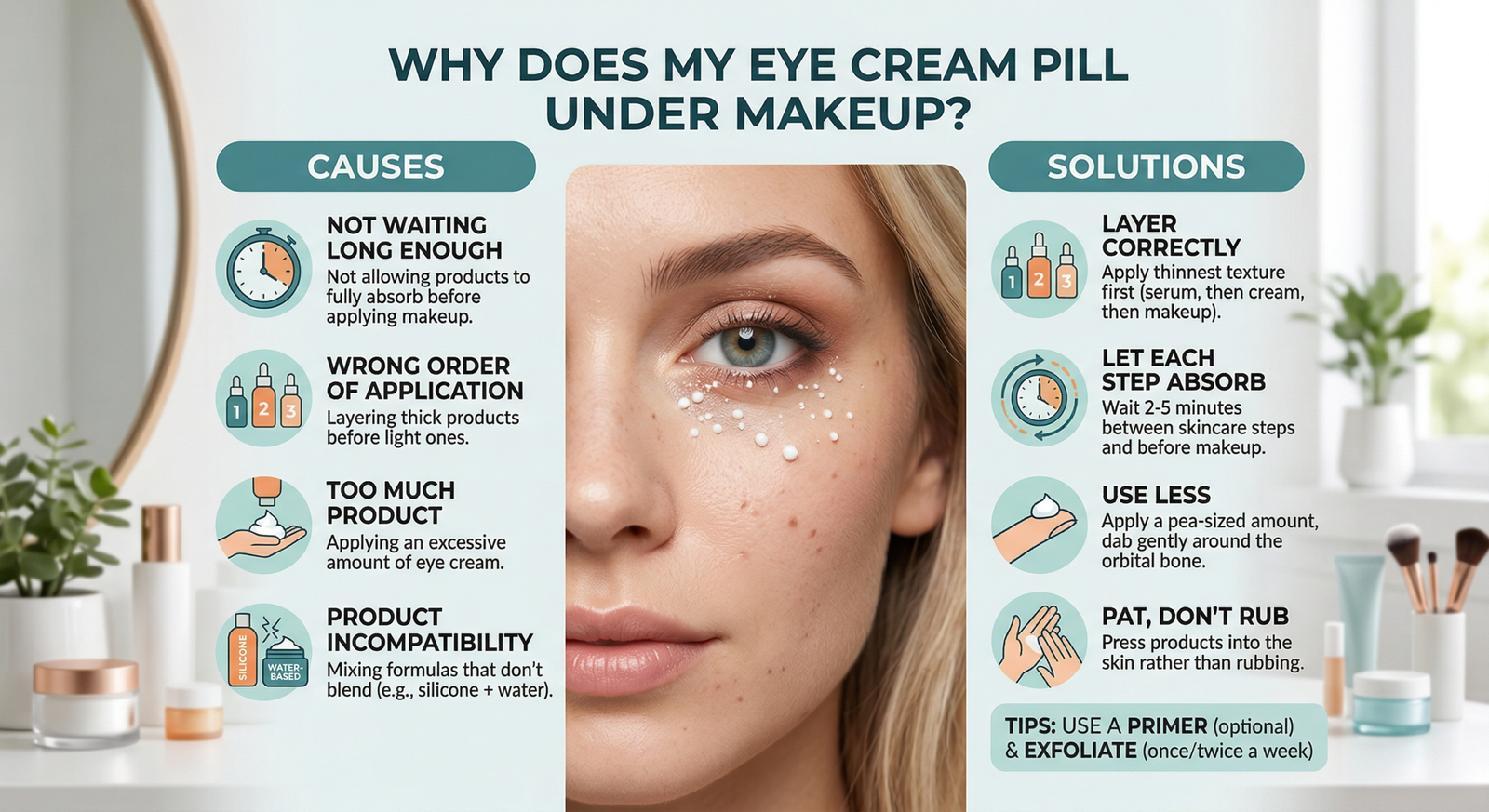
Many people invest time and money in eye creams hoping to reduce puffiness, dark circles, and fine lines. But there’s a frustrating problem that often shows up: your eye cream pills under makeup. You swipe on your concealer or foundation, and suddenly tiny bits of cream roll up and flake off. Not only does this ruin the look, but it also wastes your skincare efforts. If you’ve experienced this, you’re not alone. Let’s explore why it happens, how to prevent it, and what makes some products pill more than others.
What Causes Eye Cream To Pill?
Eye cream pilling is when the product forms little balls or flakes on the skin, especially after applying makeup. This is usually because of poor absorption, ingredient clashes, or layering mistakes. Here are the main reasons:
- Too Much Product: Using more than needed can leave a thick layer. Makeup sticks to this layer instead of blending smoothly.
- Wrong Texture: Heavy creams or gels with lots of silicones, waxes, or polymers don’t absorb well and sit on the skin’s surface.
- Layering Incompatibility: Some skincare ingredients fight each other. For example, mixing a silicone-heavy eye cream with a water-based concealer can cause pilling.
- Rushed Application: Not waiting for the eye cream to fully absorb before applying makeup leads to flaking.
- Excessive Rubbing: Rubbing or patting makeup over eye cream can disturb the layer and make it pill.
Key Ingredients That Cause Pilling
Some ingredients in eye creams are more likely to cause pilling. Here’s a comparison of common pilling culprits:
| Ingredient | Effect on Skin | Pilling Risk |
|---|---|---|
| Silicones (e.g. dimethicone) | Forms smooth layer | High |
| Polymers (e.g. acrylates) | Binds products together | Medium |
| Waxes | Creates thick texture | High |
| Heavy oils | Slow absorption | Medium |
| Hyaluronic acid | Hydrates deeply | Low |
| Glycerin | Moisturizes | Low |
Silicones (e.g. dimethicone)
Polymers (e.g. acrylates)
Waxes
Heavy oils
Hyaluronic acid
Glycerin
Silicone-based creams are common because they feel silky. But they can block makeup from sticking properly. Waxes and polymers often appear in anti-aging formulas, but also increase pilling risk.
How Your Application Technique Matters
Applying eye cream is more than just dabbing it on. Your technique can make a big difference:
- Use a pea-sized amount for both eyes. Too much causes buildup.
- Tap gently with your ring finger. Don’t rub or swipe forcefully.
- Wait at least 2-5 minutes for full absorption before applying makeup.
- If your eye cream feels sticky, blot gently with a tissue before makeup.
Many people don’t realize that layering order matters too. Apply eye cream after serums but before moisturizer, unless the directions say otherwise.
Compatibility With Makeup Products
Some makeup products don’t mix well with certain eye creams. Here’s a comparison of how makeup formulas react:
| Makeup Type | Common Ingredients | Interaction with Eye Cream |
|---|---|---|
| Liquid concealer | Water, polymers | Pills with silicone creams |
| Powder concealer | Talc, silica | Pills with oily creams |
| Cream concealer | Waxes, oils | Pills with heavy creams |
| Foundation (matte) | Dimethicone, silica | High risk with silicone eye creams |
| Foundation (hydrating) | Glycerin, water | Lower risk |
Liquid concealer
Powder concealer
Cream concealer
Foundation (matte)
Foundation (hydrating)
Matte foundations and powder concealers usually make pilling worse. Hydrating formulas are safer, but still need careful layering.

Credit: www.innbeautyproject.com
Practical Tips To Prevent Pilling
Avoiding eye cream pilling is possible if you follow a few simple steps:
- Choose the Right Eye Cream: Look for lightweight, water-based formulas. Avoid creams with too many silicones or waxes.
- Apply Thin Layers: Use only as much as you need. Thin layers absorb better.
- Let Products Absorb: Give your eye cream at least 2-5 minutes before makeup.
- Match Your Makeup: Use makeup that works with your eye cream. Water-based makeup goes well with water-based creams.
- Avoid Overlapping Products: Don’t layer too many products in the eye area. Keep it simple.
- Test New Combinations: Try new products on one eye first. See how they react before using everywhere.
- Use a Primer: If you use eye cream and makeup, a lightweight primer can help smooth the surface.
- Check Expiry Dates: Old products can change texture and increase pilling.
One less-known tip: Exfoliate gently around the eye area once a week. Dead skin can make creams pill more. But don’t use strong scrubs; a soft cloth or mild exfoliant is enough.
Non-obvious Insights That Help
Many beginners miss these points:
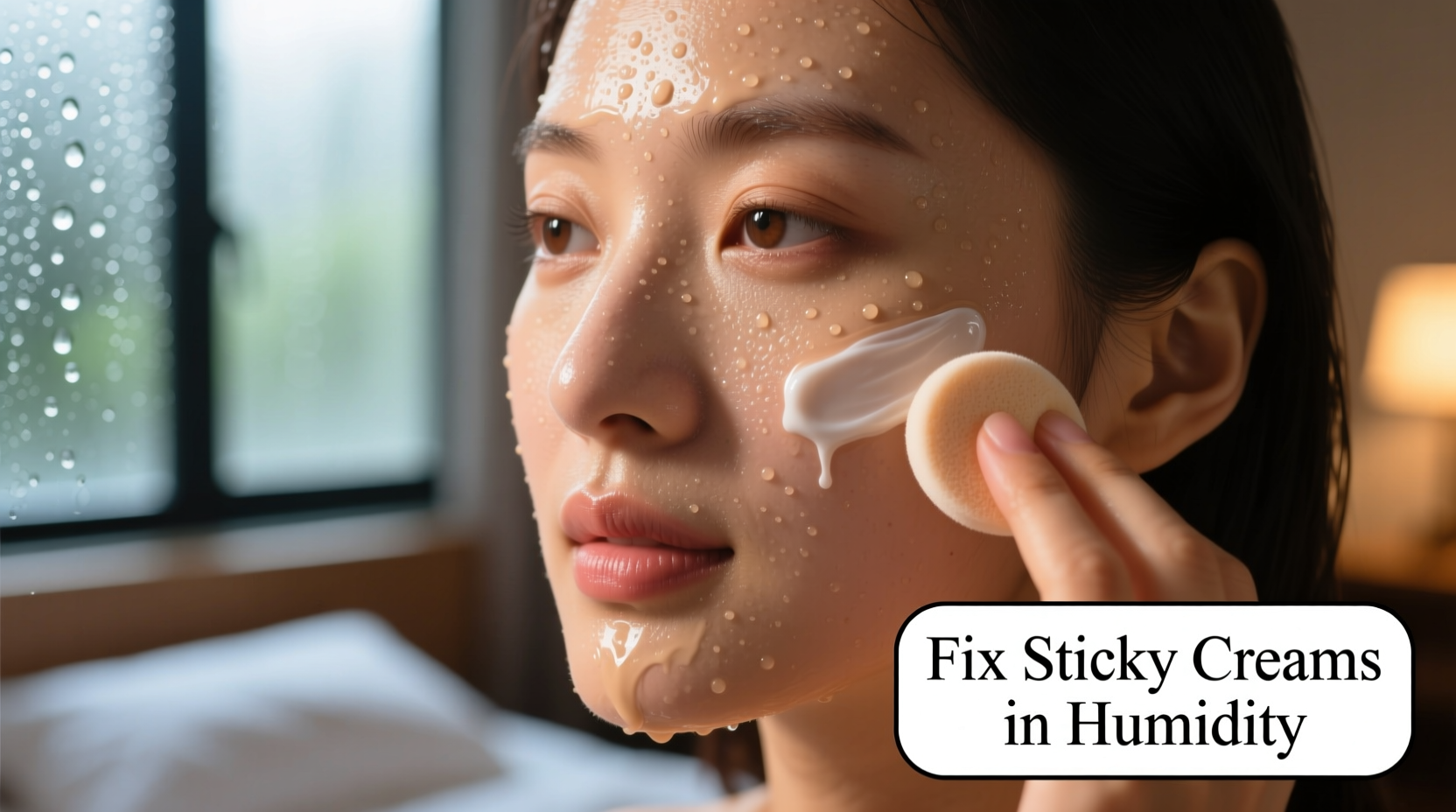
- Humidity and temperature affect absorption. In dry or cold weather, creams take longer to absorb, increasing pilling risk.
- Skin condition matters. If your skin is dehydrated, products sit on top instead of soaking in. Try a hydrating serum before eye cream.
Also, don’t forget that product order can change results. If your moisturizer is heavier than your eye cream, it can make the eye cream pill.
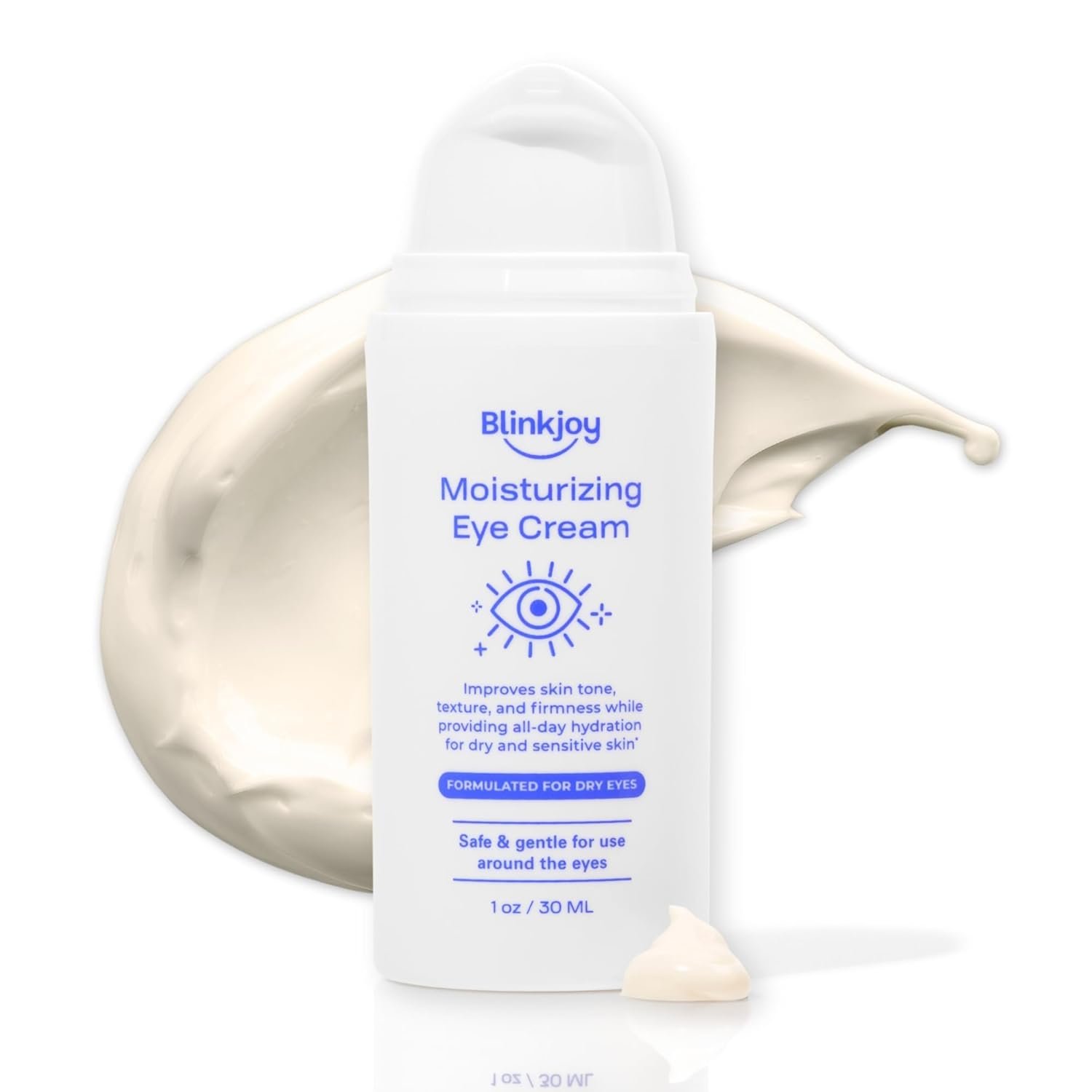
Credit: beautyhub.alibaba.com
When To Switch Your Eye Cream
If you always experience pilling, even after changing your technique, it’s time to rethink your eye cream. Look for formulas labeled as “fast-absorbing” or “makeup-friendly.” Ask for samples before buying full-size products. Many brands now offer mini versions.
Reading reviews or checking ingredient lists helps, but testing is best. Skin is unique, so what works for others may not work for you. For more science-backed advice, visit Healthline.
Frequently Asked Questions
Why Does My Eye Cream Pill Only With Certain Makeup?
Some makeup formulas contain ingredients that react badly with your eye cream. For example, silicone-heavy eye creams often pill with water-based concealers. Always check ingredient lists and try to match water-based products with each other.
Can I Prevent Pilling If I Use Less Eye Cream?
Yes. Using a smaller amount helps the cream absorb better. Too much product sits on the skin and increases pilling risk.
Is It Safe To Exfoliate Around My Eyes?
Gentle exfoliation once a week is safe and can help reduce pilling. Use a soft cloth or mild exfoliant. Avoid harsh scrubs or acids in the eye area.
Should I Change My Eye Cream If It Pills?
If you always see pilling, even after changing how you apply it, switching to a lighter, fast-absorbing formula can help. Look for makeup-friendly options.
Does The Weather Affect Eye Cream Pilling?
Yes. Cold or dry weather makes skin absorb products more slowly. This leaves more product on the surface, increasing the chance of pilling.
Eye cream pilling under makeup is annoying, but it’s easy to fix with a few simple changes. Understand your products, use the right amount, and let each layer absorb fully. With careful attention, your eye area can look smooth and flawless every day.
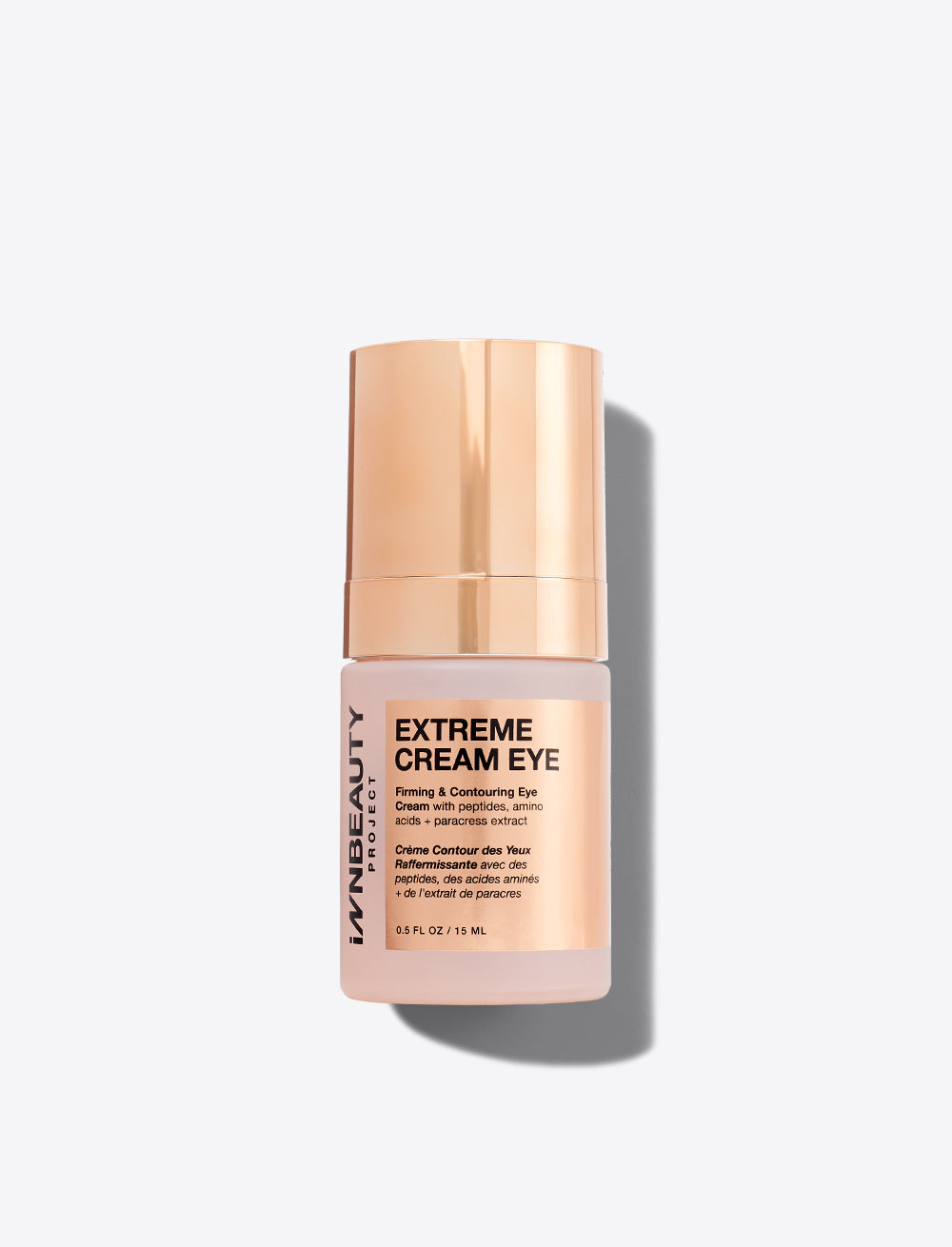
Credit: www.innbeautyproject.com