Jump To Section
- What Causes Hair Thinning At The Crown In Women?
- Key Signs Of Crown Thinning
- How Crown Thinning Differs From Other Hair Loss
- Diagnosing The Cause: What To Expect
- Treatments And Solutions
- Common Mistakes Women Make
- Data: How Common Is Crown Thinning?
- When To See A Doctor
- Practical Tips For Prevention
- Frequently Asked Questions
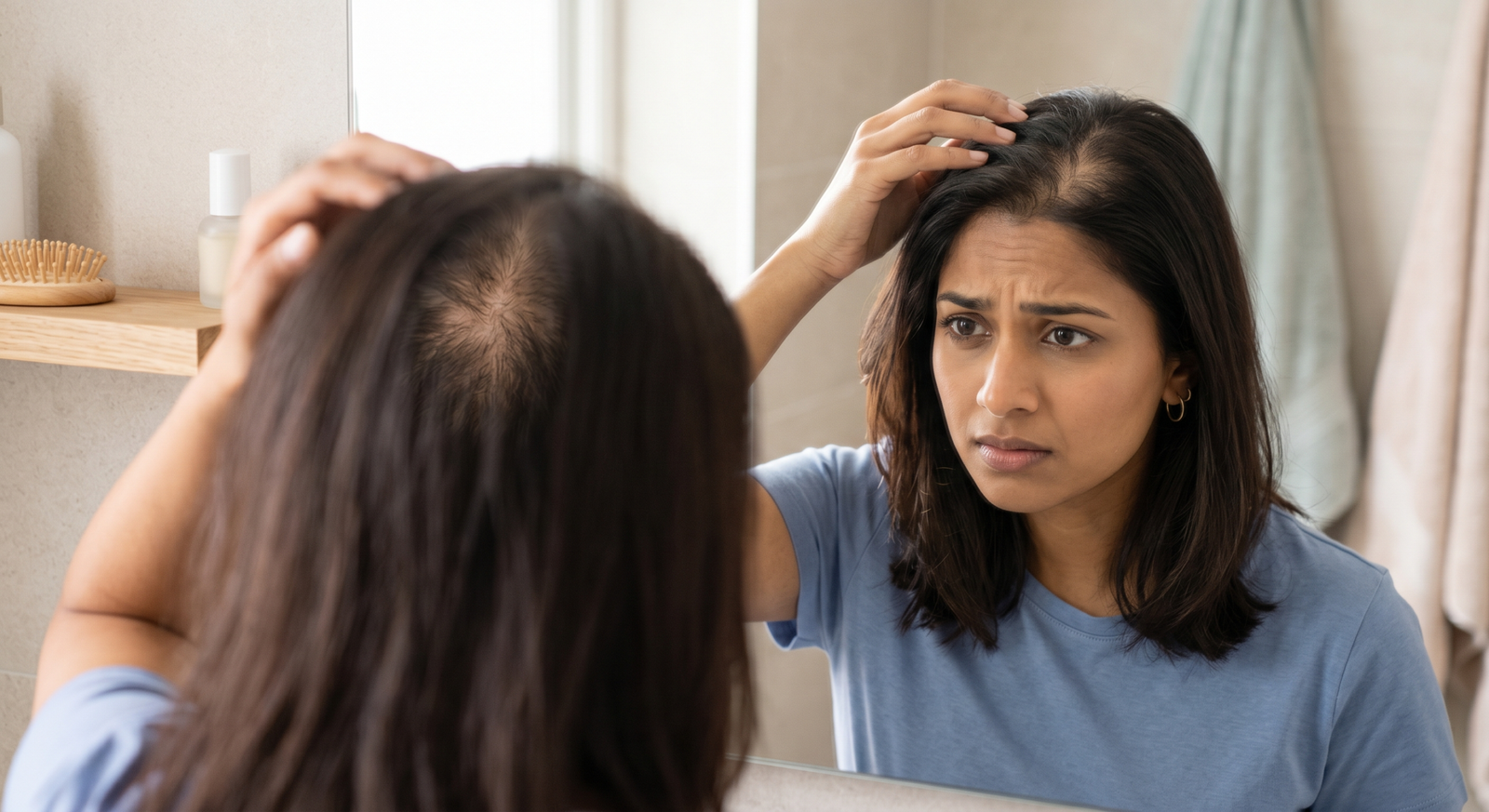
Many women notice hair thinning at the crown and wonder if it’s normal, serious, or something they can fix. Seeing more scalp, less volume, and finer hair right at the top can feel stressful. You might worry about your appearance, confidence, or even your health. The truth is, crown thinning affects millions of women—often starting in their 20s or 30s, but it’s common at any age. Understanding why it happens, what it means, and what you can do is the first step to feeling better and making smart choices for your hair.
What Causes Hair Thinning At The Crown In Women?
Hair thinning at the crown is usually not random. Several factors contribute, and sometimes more than one is involved.
Genetics And Hormones
The most common cause is female pattern hair loss (FPHL). It’s linked to genes and hormones, especially after puberty, pregnancy, or menopause. FPHL often starts at the crown, making the scalp visible. By age 50, about 40% of women show signs of FPHL.
Stress And Lifestyle
Chronic stress can change hormone levels and weaken hair growth. Poor diet, lack of sleep, or smoking also affect scalp health. For example, low iron or vitamin D can trigger thinning.
Medical Conditions
Some health problems cause crown thinning:
- Thyroid disorders: Both hypothyroidism and hyperthyroidism can lead to hair loss.
- Polycystic ovary syndrome (PCOS): This hormone imbalance is a frequent cause.
- Autoimmune diseases: Conditions like alopecia areata can create thinning patches.
Hair Styling And Damage
Tight ponytails, harsh chemicals, and regular heat styling can weaken hair at the crown. Over time, this leads to traction alopecia, which is often mistaken for genetic thinning.
Key Signs Of Crown Thinning
You might wonder if your hair is really thinning or if it’s just a bad hair day. Here are signs to watch for:
- More visible scalp at the crown, especially under bright light.
- Decrease in hair volume when you style or brush.
- Widening part line that grows over months.
- Hair feels softer and finer than before.
- Short, broken hairs appear more often.
How Crown Thinning Differs From Other Hair Loss
Crown thinning is not like sudden hair loss or shedding. It happens gradually and usually doesn’t cause total baldness. Other patterns include receding hairlines or patchy spots.
Here’s a comparison of common patterns:
| Type | Main Area | Speed | Typical Cause |
|---|---|---|---|
| Crown thinning | Top center | Slow | Genetics, hormones |
| Patchy loss | Anywhere | Sudden | Autoimmune |
| Receding hairline | Front/sides | Slow | Genetics |
Crown thinning
Patchy loss
Receding hairline
Many women mistake crown thinning for seasonal shedding or breakage, but the patterns are different.
Diagnosing The Cause: What To Expect
Doctors use several steps to find out why your hair is thinning at the crown.
| Test | Purpose | What It Shows |
|---|---|---|
| Blood tests | Check hormones, iron, thyroid | Medical issues |
| Scalp exam | Look for patterns, inflammation | Type of hair loss |
| Pull test | See how easily hair comes out | Stage of loss |
Blood tests
Scalp exam
Pull test
A dermatologist can give a clear diagnosis and recommend a treatment plan. Don’t wait too long—early action works best.
Treatments And Solutions
Medical Treatments
Several options help slow down or reverse crown thinning:
- Minoxidil (Rogaine): FDA-approved, stimulates hair growth.
- Hormone therapy: Sometimes used for PCOS or menopause.
- Steroid injections: For autoimmune causes.
Minoxidil works for many women; studies show about 60% see improvement.
Everyday Changes
Small changes make a big difference:
- Use gentle shampoos, avoid harsh chemicals.
- Eat foods rich in iron, protein, and vitamin D.
- Limit tight hairstyles and frequent heat styling.
Cosmetic Solutions
If thinning is visible, you can try:
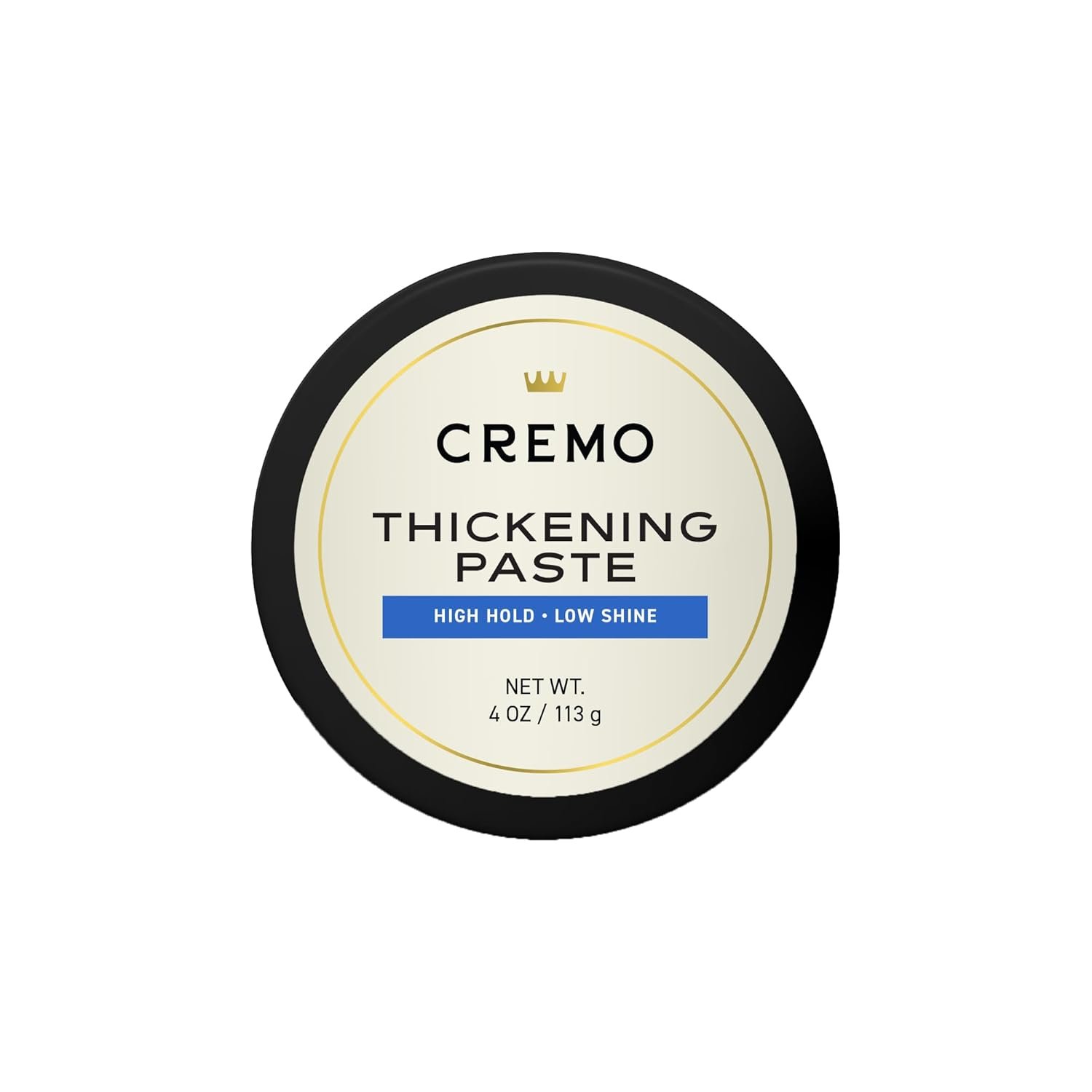
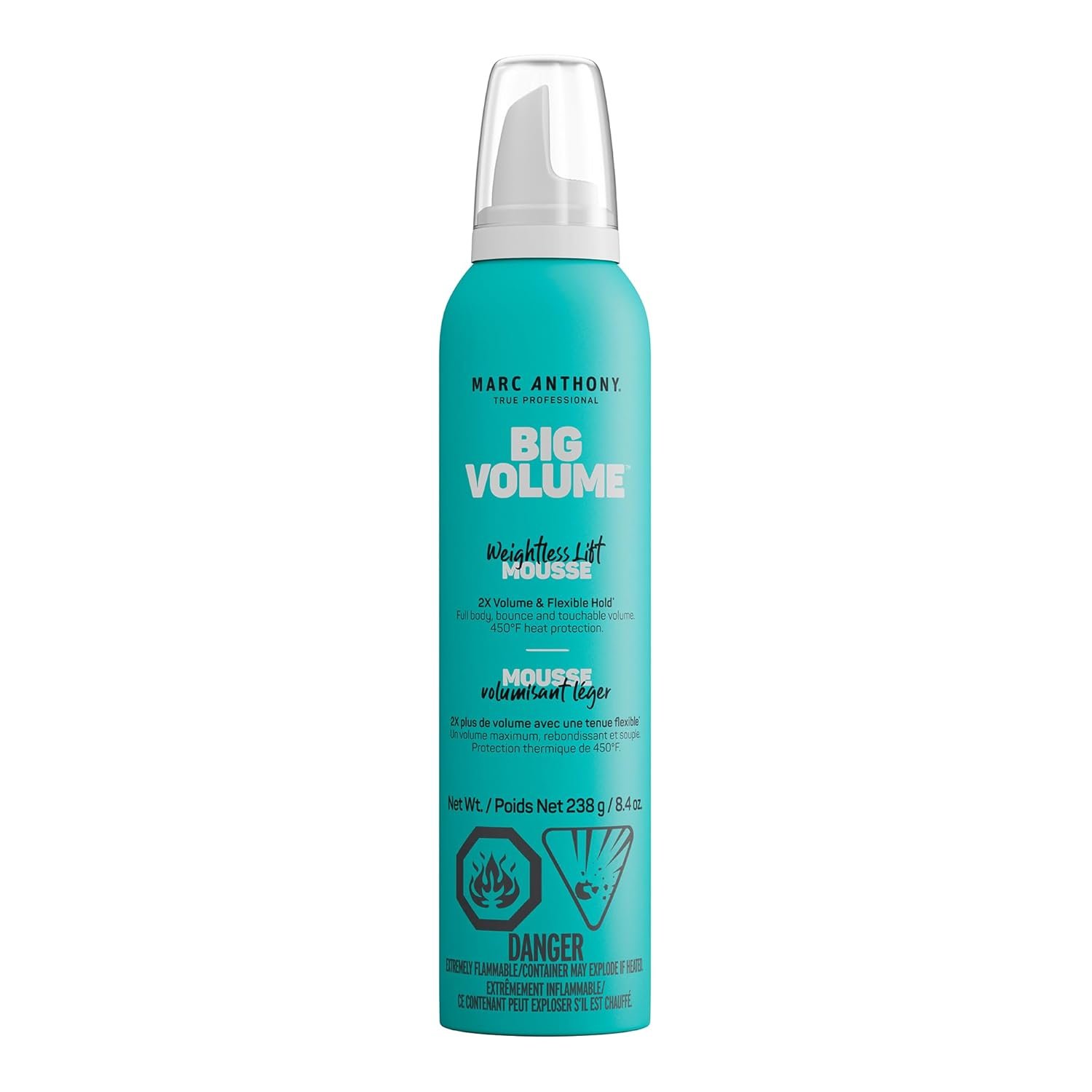
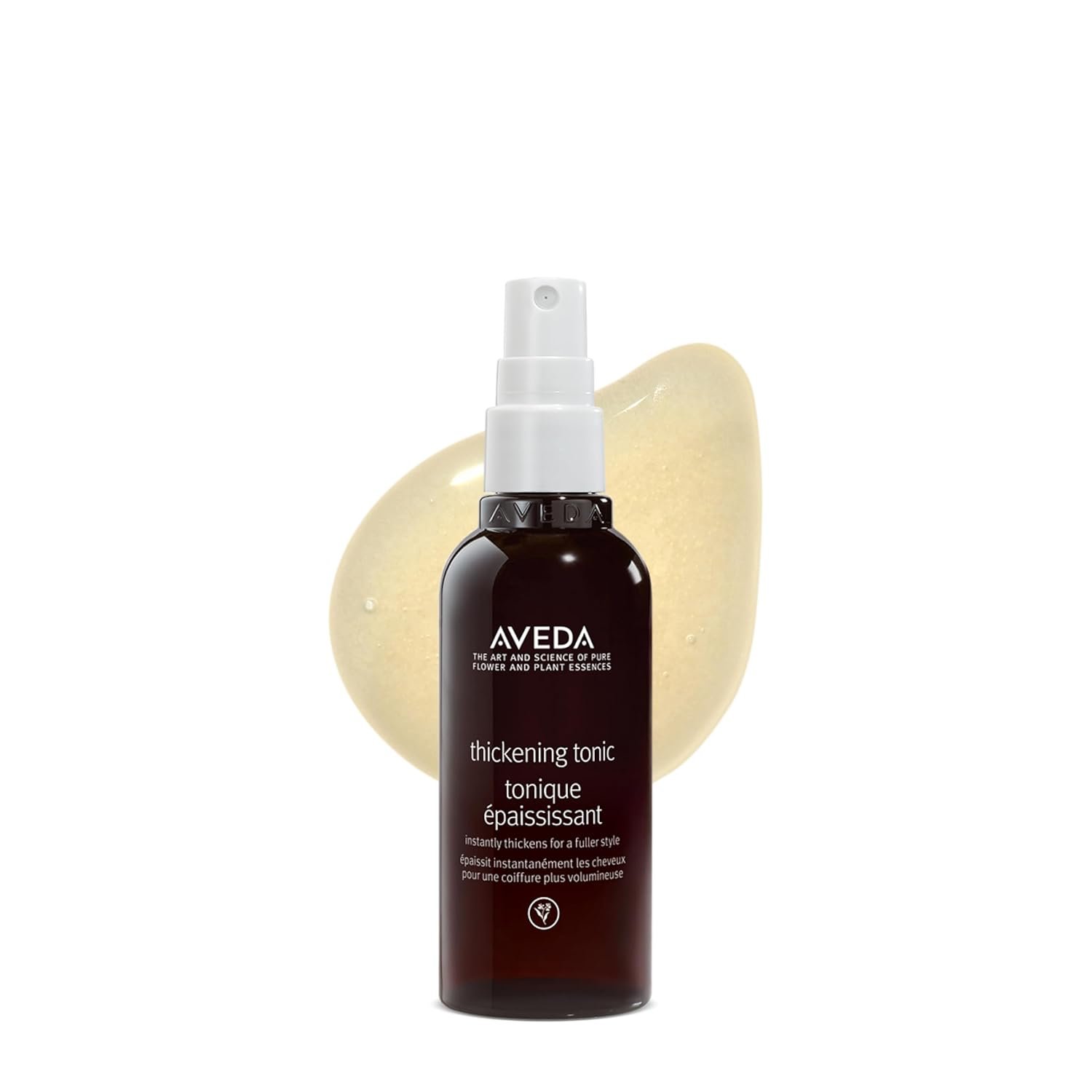
- Volumizing powders or sprays.
- Hair fibers that cover the scalp.
- Strategic haircuts—layers add fullness.
Advanced Treatments
- Platelet-rich plasma (PRP): Uses your blood to boost growth.
- Hair transplant: Moves healthy hair to thinning areas.
These are usually for severe cases and need a specialist.
Common Mistakes Women Make
- Ignoring early signs, waiting for sudden improvement.
- Using harsh products or treatments without medical advice.
- Believing myths (like brushing 100 times a day helps).
- Not checking for underlying health issues.
Many women focus only on hair products, but the root cause is often inside the body. Missing this can delay progress.
Data: How Common Is Crown Thinning?
According to research, female pattern hair loss affects up to 50% of women over 50. For younger women, rates are lower but rising. Stress, diet, and hormonal changes are making crown thinning more frequent in recent years.
Here’s a quick look at age-related rates:
| Age Group | Percentage Affected |
|---|---|
| 20–29 | ~10% |
| 30–39 | ~20% |
| 40–49 | ~35% |
| 50+ | ~50% |
20–29
30–39
40–49
50+
When To See A Doctor
If you notice rapid thinning, scalp pain, or bald patches, book an appointment soon. Early help gives the best results. Even mild thinning deserves medical advice, especially if you have a family history or other symptoms.
Practical Tips For Prevention
- Eat a balanced diet with plenty of protein and iron.
- Manage stress with exercise, sleep, and relaxation.
- Use gentle products and avoid daily heat styling.
- Change up hairstyles—avoid tight ponytails or buns.
- Check your scalp for changes every few months.
Many women skip scalp checks, but catching thinning early helps.
Frequently Asked Questions
Why Is Hair Thinning At The Crown More Common After Menopause?
Hormone changes after menopause reduce estrogen, which protects hair follicles. Lower estrogen means thinner, weaker hair, especially at the crown.
Can Crown Thinning Be Reversed?
Some cases can be improved, especially with minoxidil or lifestyle changes. Severe thinning is harder to reverse, but treatment can slow the process.
Is Crown Thinning Always Permanent?
No, it depends on the cause. Temporary thinning from stress, diet, or illness often recovers. Genetic thinning is more likely permanent but can be managed.
Do Supplements Help Crown Thinning?
Supplements like iron, biotin, and vitamin D help only if you’re deficient. Always check with a doctor before starting new supplements.
Where Can I Find More Information On Female Hair Loss?
A trusted resource is the American Academy of Dermatology, which explains causes and treatments in detail.
Crown thinning can be worrying, but understanding why it happens and what you can do gives hope. With the right steps and support, most women can slow thinning and feel confident again.