Jump To Section
- What Is A Face Serum?
- Main Benefits Of Using Face Serum
- How Face Serums Compare To Other Skin Products
- Common Ingredients And Their Effects
- Who Should Use A Face Serum?
- How To Use A Face Serum For Best Results
- Mistakes To Avoid When Using Face Serum
- How To Choose The Right Serum
- Real-world Example
- Non-obvious Insights
- Frequently Asked Questions

Many people are curious about the real benefits of face serums. You might see them everywhere in beauty stores, but wonder, “Why use face serum? ” Is it just another trend, or can it actually make a difference in your daily skincare routine?
If you want glowing, healthy-looking skin, understanding face serums could be the game changer. This article will explain what makes serums unique, their main benefits, when to use them, and answer common questions. Let’s discover why so many skincare experts recommend adding a face serum to your routine.
What Is A Face Serum?
A face serum is a lightweight, fast-absorbing liquid you apply after cleansing but before moisturizing. Unlike creams, serums contain a higher concentration of active ingredients. This means they can deliver powerful ingredients directly into the skin.
Most serums are water-based, but some are oil-based. They usually feel light, not greasy or heavy. Because serums are made with small molecules, they penetrate deeper into the skin compared to regular moisturizers.
Main Benefits Of Using Face Serum
Why do so many dermatologists and beauty experts recommend serums? Here are the main reasons:
- High concentration of actives: Serums are packed with ingredients like vitamin C, hyaluronic acid, or retinol. These ingredients target specific skin problems.
- Faster results: Because serums penetrate deeper layers, you often see changes in a few weeks.
- Customizable for skin needs: There are serums for dry skin, wrinkles, dark spots, acne, and more. You can choose one or mix a few for your needs.
- Lightweight feel: Serums do not feel sticky or heavy. They work for oily and combination skin too.
- Better absorption: The skin absorbs serums quickly, so they work efficiently.
How Face Serums Compare To Other Skin Products
It’s easy to confuse serums with creams, lotions, or oils. Here’s a simple comparison:
| Product Type | Main Purpose | Texture | Absorption |
|---|---|---|---|
| Serum | Treats specific concerns | Lightweight, watery or gel | Very fast |
| Cream | Moisturizes and protects | Thick, creamy | Slower |
| Oil | Seals moisture, adds glow | Oily, rich | Slowest |
Serum
Cream
Oil
Serums are not meant to replace your moisturizer. They work best as an extra step, adding more power to your routine.
Common Ingredients And Their Effects
Face serums come with a variety of active ingredients. Here are some popular ones:
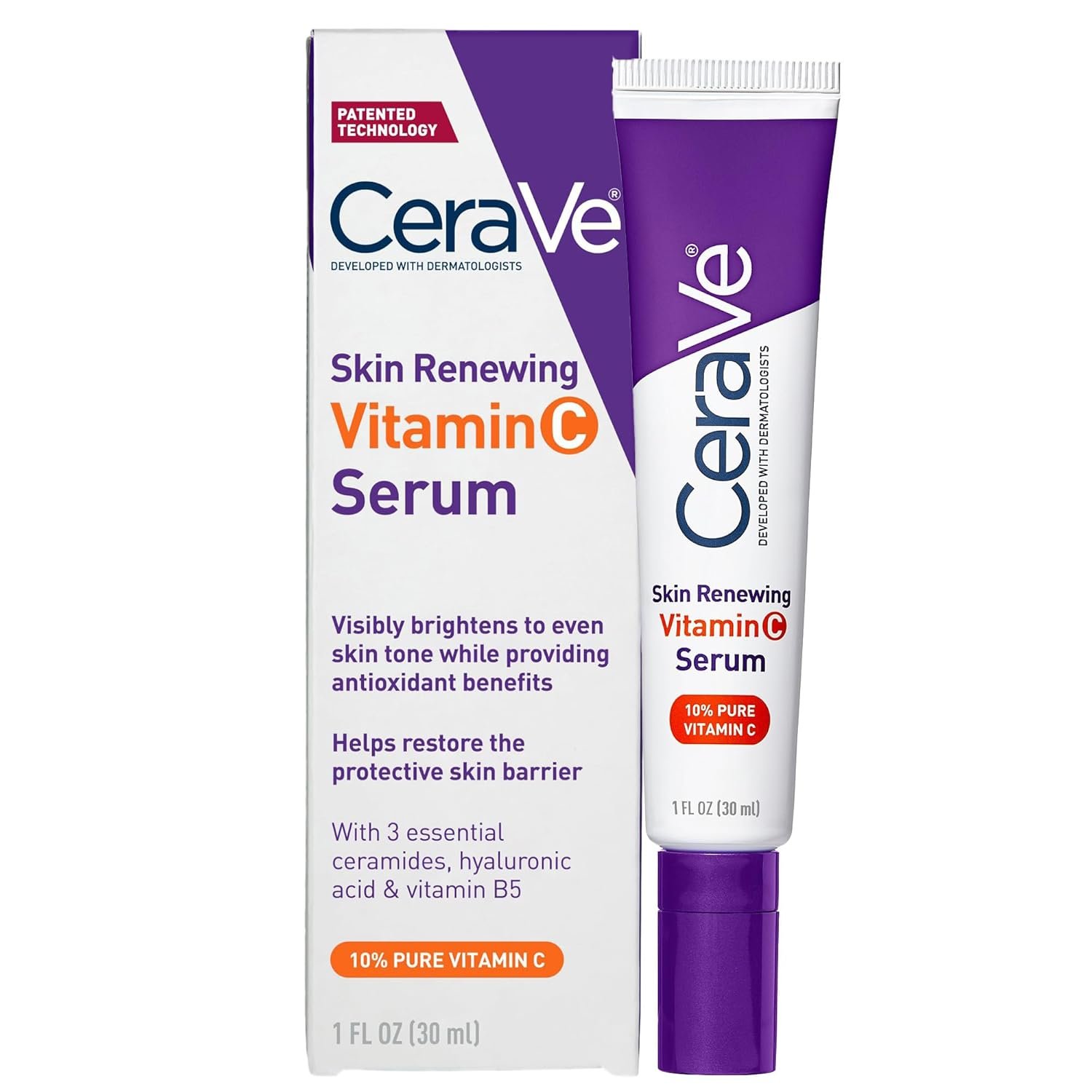
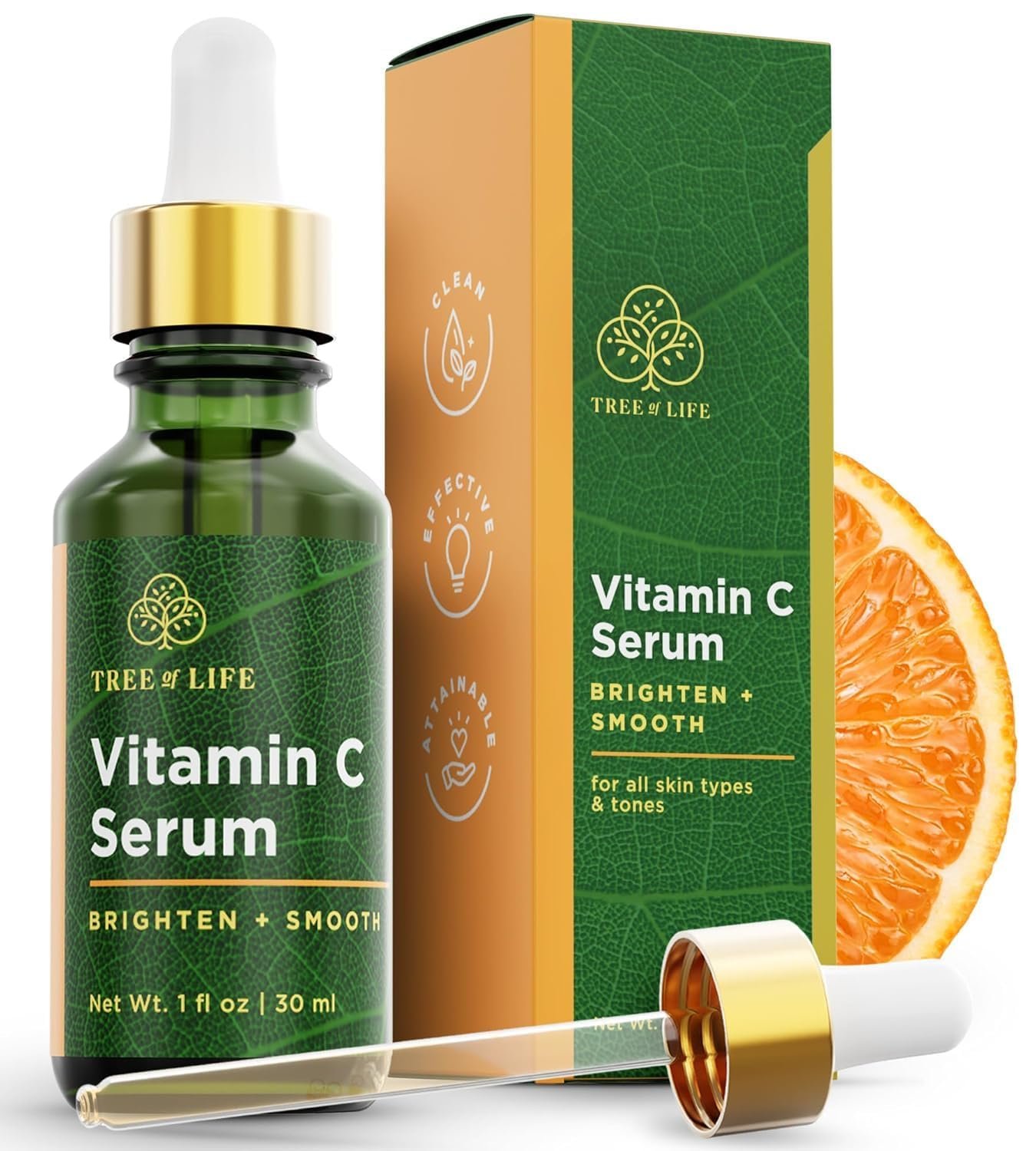
- Vitamin C: Brightens skin, reduces dark spots, fights aging.
- Hyaluronic acid: Boosts moisture, plumps up fine lines.
- Retinol: Smooths wrinkles, speeds up cell turnover.
- Niacinamide: Calms redness, improves texture.
- Peptides: Increases firmness and elasticity.
A 2022 survey found that vitamin C serums are one of the most popular, with 48% of users seeing brighter skin within one month.

Credit: ibacosmetics.com
Who Should Use A Face Serum?
Almost anyone can use a face serum. But, the right serum depends on your skin type and goals:
- Dry skin: Try serums with hyaluronic acid or ceramides for extra moisture.
- Oily or acne-prone skin: Look for niacinamide or salicylic acid to calm breakouts.
- Aging skin: Retinol and peptides help with fine lines and firmness.
- Dull or uneven skin: Vitamin C and licorice root extract can brighten and even out skin tone.
Serums are not just for women. Many men use serums to help with shaving irritation or rough texture.
How To Use A Face Serum For Best Results
Getting the most from your serum is easy with a few steps:
- Cleanse your skin: Wash your face to remove dirt and oil.
- Apply toner (optional): If you use a toner, put it on before the serum.
- Use 2-3 drops of serum: Gently press or pat it onto your face, not rub.
- Wait 1-2 minutes: Let the serum absorb.
- Follow with moisturizer: This locks in all the benefits.
Serums are often used once or twice a day. Some, like retinol, are best at night. Always read the label for guidance.
Application Timeline Example
| Step | Time of Day | Product Example |
|---|---|---|
| Cleanser | Morning & Night | Gentle foaming cleanser |
| Serum | Morning: Vitamin C Night: Retinol |
Vitamin C (AM), Retinol (PM) |
| Moisturizer | Morning & Night | Light lotion or cream |
| Sunscreen | Morning | SPF 30+ |
Cleanser
Serum
Night: Retinol
Moisturizer
Sunscreen

Credit: www.youtube.com
Mistakes To Avoid When Using Face Serum
Even with the best serum, results can disappoint if used wrong. Here are mistakes to avoid:
- Using too much: More is not better. 2-3 drops are enough.
- Not layering correctly: Serums go before moisturizer, not after.
- Mixing strong actives: Some ingredients, like retinol and vitamin C, can irritate when used together.
- Skipping sunscreen: Some serums make skin sensitive to sun. Always use SPF in the morning.
One non-obvious tip: Always apply serum on damp skin. This helps active ingredients sink in better and boosts hydration.
How To Choose The Right Serum
Choosing the right serum depends on your needs and budget. Here are a few things to consider:
- Skin concern: Match the serum to your goal (hydration, brightening, anti-aging).
- Ingredients list: Look for proven actives and avoid unnecessary perfumes or alcohol if you have sensitive skin.
- Brand reputation: Pick brands with good safety records.
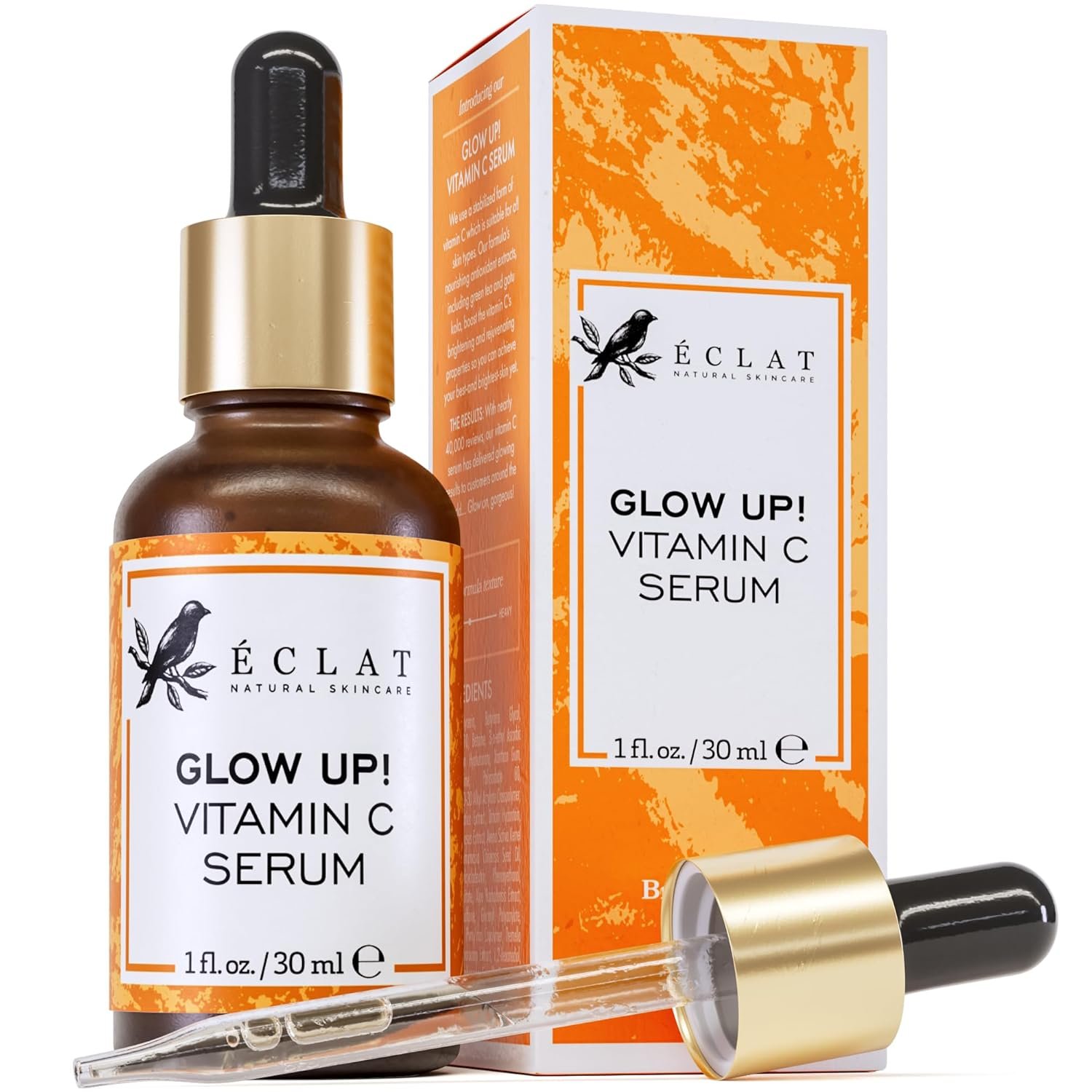
- Packaging: Serums with vitamin C or retinol should be in dark bottles to keep them stable.
A 2023 market report showed the average price for a quality serum is $25–$80, with some luxury brands over $150. However, many affordable options offer excellent results.

Credit: www.purplle.com
Real-world Example
A 35-year-old woman with dry skin started using a hyaluronic acid serum every morning. After two weeks, she noticed her skin felt softer and looked more radiant. She combined it with a gentle cleanser and sunscreen. This simple change made her makeup look smoother and her fine lines less visible.
Another man, age 29, used a niacinamide serum at night to control oily patches. Within a month, his skin looked less shiny and felt calmer after shaving.
Non-obvious Insights
Many beginners skip serums because they think they are only for “serious” skincare fans. In reality, even simple routines benefit from a targeted serum. Also, mixing two gentle serums (like vitamin C in the morning and hyaluronic acid at night) can give better, balanced results than using just one.
Finally, some serums can reduce the need for multiple products. For example, a vitamin C serum can brighten, smooth, and add light moisture, making your routine easier.
Frequently Asked Questions
Is Face Serum Necessary For Everyone?
No, it’s not essential for everyone. But if you want to target specific skin concerns like dark spots, dryness, or aging, a serum can help you get faster and better results than creams alone.
When Should I Apply Face Serum In My Routine?
Apply face serum after cleansing (and toning, if you use a toner) but before moisturizer. This helps the active ingredients work more effectively.
Can I Use More Than One Serum?
Yes, but use them at different times of the day or on alternate days. For example, vitamin C in the morning and retinol at night. Avoid layering many strong actives together to prevent irritation.
How Long Does It Take To See Results From A Serum?
Most people notice changes in 2-4 weeks, but it depends on your skin type and the serum’s ingredients. Some effects, like extra hydration, can be felt in just a few days.
Are Expensive Serums Always Better?
Not always. Many affordable serums work very well. Focus on active ingredients and good reviews, not just price or brand name. For more information, see this Healthline guide.
Adding a face serum to your routine can make a visible difference in your skin. By understanding what serums do and how to use them, you can choose the right one for your needs and enjoy smoother, healthier-looking skin every day.